
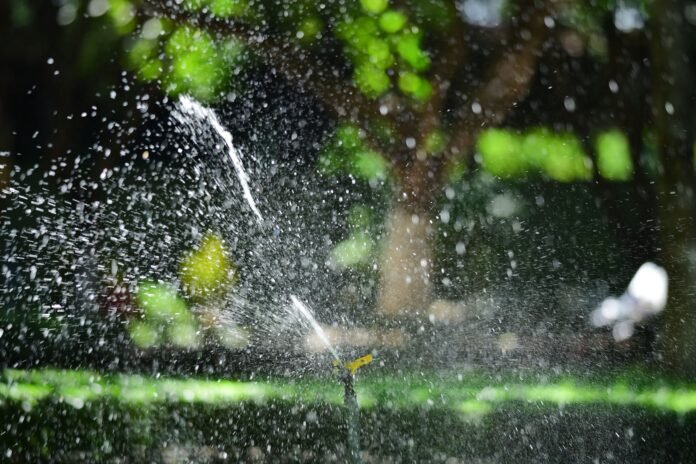

Most homeowners only think about the sprinkler system when something looks wrong on the lawn. A dry corner, a soggy strip beside the driveway, or a head that spits instead of sprays is usually the first hint that something under the surface has changed.
For a while, small adjustments seem to settle things down, and that is often all a healthy system needs. The trouble starts when the same issue keeps coming back after every attempt to correct it. Homeowners in Palm Harbor who learn to read those signs early save themselves a great deal of water, money, and frustration later on.
The Point Where Adjustments Stop Working
There comes a stage where turning a nozzle, resetting the timer, or nudging a head no longer changes anything, and the lawn keeps behaving the same way week after week. That is usually the moment a real repair is needed, because a cracked line, a failed valve, or a worn head will not correct itself no matter how many settings are changed.
Trained irrigation specialists handle exactly this kind of work, tracing the fault back to its source instead of treating whatever shows up on the surface.
Booking professional sprinkler repair in Palm Harbor at that stage keeps one worn part from turning into a much larger job across the entire system.
Dry Patches That Keep Returning
A single dry patch after a hot week means very little on its own. The same patch appearing in the same spot every month means something else entirely. Grass reacts to water long before anyone notices a fault, so a stubborn brown area is often the earliest useful warning a lawn can give. The shape matters too. A narrow strip that follows a straight line usually points to a section of the lawn that is no longer receiving its share of water, while a wide circle around a single point suggests that one part of the system has stopped doing its job.
Homeowners often respond by extending the watering time for the whole yard. The dry patch may green up briefly, but the rest of the lawn now receives far more water than it needs, and the underlying fault remains exactly where it was. Longer cycles hide the problem rather than solve it.
Water Showing Up Where It Does Not Belong
Pooling water is one of the clearest signals that a system has moved past the stage of minor upkeep. Soft ground that never quite dries out, a puddle that forms in the same place after every cycle, or water seeping onto a walkway all point to something releasing water when it should not. Underground leaks are especially easy to miss because the surface may look normal for weeks before the ground begins to sink or turn spongy.
Excess water causes its own damage. Roots sitting in saturated soil weaken, fungus spreads, and mosquitoes find a steady breeding ground close to the house. Paved edges can lift or crack when the soil beneath them shifts. A leak that seems harmless in the first week rarely stays harmless by the second month.
Weak Spray and Uneven Coverage
Water pressure tells an experienced eye a great deal. Heads that barely lift water off the ground, arcs that fall short of where they once reached, or a zone that is noticeably weaker than the one beside it all suggest that pressure is being lost somewhere along the way. Sometimes the cause sits at the head itself. Often it sits well behind it.
Uneven coverage between zones deserves particular attention. If one section of the yard performs normally and another has grown steadily weaker, the system is telling you that something specific has changed rather than that the whole setup is simply aging.
Mist that drifts on the breeze instead of falling as droplets is another sign worth noting, since misting usually means pressure is too high somewhere in the line, and that puts strain on every component it passes through.
What Time and Weather Do to Buried Lines
Irrigation components live a hard life. They sit in wet soil, endure heat for months at a stretch, and take the weight of mowers, vehicles, and foot traffic year after year. Plastic grows brittle, rubber seals harden, and fittings that once held firm begin to weep.
Roots add another layer of pressure. Trees and large shrubs send roots toward the most reliable moisture in the yard, which is often the irrigation line itself. Over several seasons, a growing root can squeeze a pipe until it splits or push a head out of its proper position.
The Real Cost of Putting It Off
Waiting almost always costs more than acting. A worn seal that goes unaddressed strains the components around it. A small leak washes soil away from nearby lines until they sag and crack under their own weight. A zone that has been running longer than necessary to compensate for one weak area wears out every head in that zone ahead of schedule.
There is a lawn cost too. Grass that has been stressed for a full season does not bounce back in a week, and replacing turf is far more expensive than correcting the fault that killed it. The longer a system limps along, the wider the eventual work becomes.
Small Habits That Keep a System Steady
A little routine attention goes a long way. Walk the yard while the system runs, one zone at a time, and watch what each area actually receives. Clear grass and mulch away from heads so they can rise and retract freely. Keep an eye on the water bill from month to month, since a steady climb with no obvious explanation is worth investigating.
Seasonal changes matter as well. A schedule that suits the driest stretch of the year will drown a lawn during a wet one, and a system asked to run far beyond what the weather requires wears out faster than it should. Adjusting the timing as conditions change protects both the lawn and the equipment beneath it.