
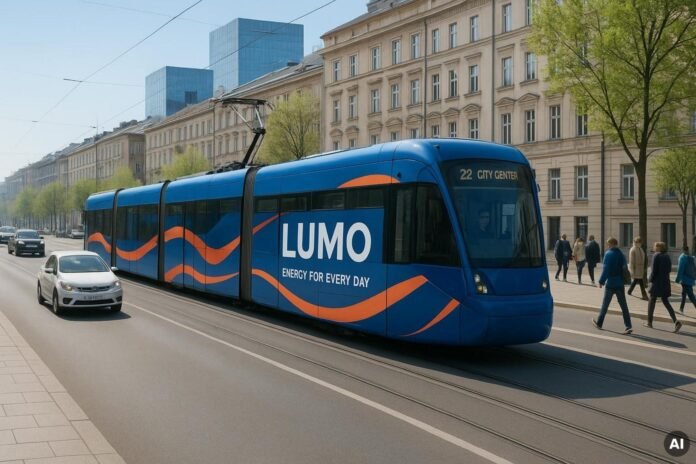
Tram advertising in Poland has grown from a minor transit format into one of the main parts of urban marketing. Local rules now limit standard roadside billboards in historic city centers, while modern tram networks give brands access to busy pedestrian routes, major transport corridors, and shopping areas. This creates steady street-level visibility and reaches millions of commuters each day in the country’s largest cities.
For marketing directors and media planners who need broad coverage across busy urban areas, transit media connects a physical brand presence with strong recall. Running campaigns across several regional fleets requires careful planning. Working with a specialist such as Tram advertising in Poland with BE Media helps companies book large vehicle wraps, coordinated digital screens, and placements aimed at commuters across Poland’s main transport networks.
What Is Tram Advertising in Poland?
Tram advertising includes all marketing formats shown on urban light rail systems in Poland. These include large exterior vinyl wraps and media placed inside carriages. Trams use dedicated tracks that pass through the historic and business centers of Polish cities. They act as moving advertising surfaces that travel through the city without getting stuck in normal road traffic.
Unlike fixed street furniture, tram campaigns operate through systems managed by municipal transport organizers, such as ZTM in Warsaw and MPK in Kraków and Wrocław. Formats range from full vehicle wraps that cover several carriages to focused interior displays for passengers. Together, these options communicate with pedestrians, drivers, and tram users.
Why Trams Matter in Poland’s Urban Marketing Mix
Trams have a strong place in Poland’s transport system. Polish cities have invested steadily in light rail as a main form of sustainable public transport. Tram tracks often run through market squares, busy business districts, and university areas. For advertisers, this offers clear exposure in prime retail locations where fixed outdoor media may be restricted or impossible to build.
Trams also create frequent contact with people during their daily routines. A student traveling to a morning class and an office worker moving between business parks may both see the same campaign during a normal day. This makes tram media useful for product launches, local brand campaigns, and short-term promotions.
Which Polish Cities Offer the Largest Tram Advertising Opportunities?
Poland has several established tram networks, with Warsaw leading in fleet size and passenger numbers. The capital’s system links major business areas, shopping centers, and large residential districts. This makes Warsaw a key market for campaigns that need national reach. Kraków is another major market, with trams serving the busy tourist center as well as fast-growing technology and business districts.
Wrocław and Poznań also offer large transit media markets. Their track systems pass through university campuses and modern office areas. In southern Poland, the Silesian Interurbans, known as Tramwaje Śląskie, create a cross-city network that links several industrial and commercial towns. In the north, Gdańsk, Szczecin, and Bydgoszcz give brands access to separate regional audiences.
Why Is Tram Advertising Growing in Poland?
The steady growth of tram advertising in Poland comes from urban development, newer vehicle fleets, and changes in local advertising rules. City councils are using landscape resolutions, known as uchwały krajobrazowe, to reduce visual clutter. Many unauthorized or oversized fixed billboards have been removed. This has made approved mobile formats more visible and more valuable.
Spending on public transport media has also grown faster than spending on traditional fixed posters. The Polish outdoor advertising market has passed PLN 806 million, while city transport advertising has shown strong growth, with yearly increases close to 30%. Advertisers are moving more of their budgets to public transport to gain legal, clear visibility in valuable city locations.
Urban Mobility Increases Daily Exposure
Heavy road traffic and wider low-emission zones have led millions of city residents to use light rail for daily travel. This has increased passenger numbers on major tram lines and gives advertisers a regular audience. Trams can operate for up to 20 hours a day, passing through neighborhoods with different age groups, incomes, and lifestyles. This creates millions of possible views each week.
Greater movement through the city also supports exterior advertising. People waiting at crossings, cyclists using nearby lanes, and drivers stopped at junctions often notice a large tram as it passes. Regular schedules also build frequency. The same commuter groups may see a campaign many times during their weekly journeys.
OOH Advertising Gains Strength Alongside Digital Media
Digital advertising faces problems such as ad blindness, tracking limits, and crowded online spaces. Physical out-of-home media still gives brands a visible presence that people cannot skip. It works well beside online marketing by giving digital campaigns a real location and helping people remember the brand.
Digital out-of-home advertising, or DOOH, has grown quickly in Poland and now accounts for almost 29% of total OOH spending. LCD screens inside tram carriages connect physical advertising with online activity. A passenger may first see a full tram wrap in the street and then view a related video or call to action inside the vehicle. Specialists in transit advertising, such as BE Media, help brands combine both formats into one campaign. This creates one connected brand message across several channels.
What Are the Main Types of Tram Advertising?
Tram advertising in Poland uses separate exterior and interior formats. Each one supports a different marketing goal. Exterior placements focus on wide public awareness and a strong visual presence. Interior placements give passengers more time to read longer messages and learn about an offer.
Media buyers can choose a complete vehicle wrap, a partial wrap, static interior frames, or digital screens. Combining these formats helps a campaign reach people across the city as well as passengers who spend time inside the tram during their commute.
Full Tram Wraps Create High-Visibility Brand Campaigns
A full tram wrap is the main large-format option in transit advertising. It covers the outside of a multi-section vehicle and turns many meters of rolling stock into a moving advertisement. Safety rules require windows and doors to remain usable and allow passengers to see outside. For this reason, installers often use perforated One Way Vision film. Even with these limits, the size of the vehicle makes the campaign stand out on busy streets.
Full wraps are often used for major brand campaigns, entertainment launches, and tourism promotions. A branded tram traveling along Warsaw’s Aleje Jerozolimskie or Kraków’s ul. Mogilska becomes a moving landmark. Pedestrians and drivers can notice it across many parts of the city.
Interior Posters Reach Passengers During Their Journey
Interior tram media reaches people who have time to look at an advertisement. Passengers spend about 15 to 25 minutes inside a carriage on average, which suits messages that need more reading time. Common interior formats include double-sided hanging frames, ceiling panels, and stickers on the backs of seats, often in A4 and A3 sizes.
Growing LCD networks add a digital option. Examples include Kraków’s Tram TV and Warsaw’s fleet of more than 1,600 digital screens installed in modern Pesa Swing vehicles. These 22-inch screens show 15- to 30-second high-definition videos within loops that may include news, weather, and upcoming stops. The format receives strong attention from commuters.
What Benefits Does Tram Advertising Deliver for Brands?
Tram advertising combines large scale, strong local coverage, and regular contact with the public. Trams are a familiar part of city life, so advertising on them fits naturally into the daily environment instead of feeling separate from it.
Transit media also covers several locations during one day. A fixed billboard stays on one street corner, while a tram can carry the same brand message through suburbs, business centers, and university districts. This can make better use of the media budget.
Repeated Exposure Builds Local Brand Recognition
Strong brand recognition needs repeated exposure, and tram routes provide this naturally through regular service loops. People who use the same route from Monday to Friday may see the same exterior design and interior messages many times each month. Repeated contact helps the brand become familiar.
This local repetition works well for regional service companies, new retail stores, and fast-moving consumer goods brands. When a company appears repeatedly along a person’s route to work, a shopping center, or home, it can create a sense of local presence that online advertising alone may not provide.
Transit Campaigns Combine Street Presence with Digital Activation
Modern tram campaigns can lead people to take direct action on their phones. Passengers are close to interior posters and screens, and many already have a smartphone in hand. This makes it easy to respond to a promotion during the journey.
Brands can combine a strong exterior design with interior calls to action, such as a special landing page, an app download offer, or location-based mobile targeting. This changes a simple viewing opportunity into a measurable response and links street advertising with digital marketing results.
Who Is Investing in Tram and Transit Advertising in Poland?
Advertisers using Polish tram media come from many industries. Retail, telecommunications, media, and food distribution companies make up a large share of transit spending. They use the format to keep their brands visible among broad consumer groups in major cities.
Public bodies also use tram space. Local governments, public institutions, and cultural foundations often place messages on vehicles to share civic information, promote environmental programs, or advertise local arts and heritage events.
Retailers and Food Brands Target High-Frequency Routes
Large retailers account for about 15% of outdoor advertising spending in Poland, while food and beverage brands represent around 19% together. Both groups invest heavily in tram media. Retailers such as Media Markt use transit campaigns to announce new store openings, seasonal electronics sales, and promotions that connect online and physical shopping.
Food and drink producers, including the mineral water brand Muszynianka, also use branded trams and onboard digital screens. These campaigns reach people during afternoon travel, when they may be deciding where to buy groceries or eat. This can bring more visitors to supermarkets and restaurants near tram stops.
Cultural Institutions and Municipalities Use Trams for Public Messages
Trams are closely linked with everyday civic life in Polish cities, which makes them a useful channel for public information. City offices often order full wraps and interior campaigns to promote programs such as Kraków’s resident discount scheme, Karta Krakowska, or information about Clean Transport Zones, known as Strefy Czystego Transportu.
Museums, opera houses, film festivals, and municipal transport boards also book tram advertising space. They use it to reach residents with information about exhibitions, performances, events, and travel behavior. Public campaigns benefit from the trusted role of trams as part of city services, which can give the message added credibility.
How Should Brands Plan a Tram Advertising Campaign?
A successful tram campaign needs route data, suitable creative materials, and careful operational planning. Since municipal transport authorities run the fleets, campaigns must follow depot rules, take passenger viewing habits into account, and meet strict application dates.
Good planning often starts several months before launch. The schedule should include depot booking times, seasonal route changes, and the physical design of the selected tram. Each part of the campaign, from a large exterior wrap to a small interior sticker, should have a clear purpose.
Select Cities, Routes, and Passenger Audiences
Media planning begins by choosing areas that match the target customer group. Brands that need broad national awareness may run coordinated campaigns in Warsaw, Kraków, Poznań, and Wrocław. Local companies may get better results by focusing on selected depots or lines that serve particular neighborhoods.
Tram lines linking suburban housing areas with technical universities and central business districts can work well for recruitment, education services, and technology products. Routes passing shopping centers and entertainment areas may be better for food, lifestyle retail, and event campaigns.
Match Creative Size and Message to Viewing Time
The design of a tram advertisement should match the time people have to see it. Drivers and pedestrians may view an exterior wrap for only three to five seconds. The design should use strong contrast, a clear logo, and very little text so that the main message is easy to understand as the tram passes.
Interior formats allow more detail because seated and standing passengers can look at them for longer. Posters, seat stickers, and 22-inch LCD screens can explain product features, promotion rules, instructions, and digital actions in more detail.
How Much Does Tram Advertising Cost in Poland?
Tram advertising prices in Poland usually follow tariffs set by city transport systems rather than one open bidding model. Transport operators treat advertising as an additional source of income. They set different prices based on the vehicle model, fleet age, and carriage length.
Budgets usually include two separate costs: the media placement fee, paid to the operator or concessionaire each month or week, and the technical production fee. The second cost covers vinyl printing, preparation at the depot, cleaning the vehicle surface, installation, and removal after the campaign.
Which Factors Determine Tram Advertising Prices?
The total cost depends on the format, the city, and the technical features of the selected tram. Digital LCD campaigns have lower production costs because the creative file can be placed in an existing screen network. Prices may depend on the number of weeks and how often the video appears in the broadcast loop.
Full exterior wraps have higher production and labor costs. Covering a 30-meter articulated tram requires industrial vinyl that can withstand automatic washing, changes in temperature, and road salt. Operators also require approved removal methods to protect the original paint. These services are included in the initial production quote.
How Campaign Duration, Vehicle Type, and Route Affect Cost
Prices differ by vehicle type and city. In Kraków, monthly media rental for older single-carriage E1 units starts at about PLN 4,200. Modern, multi-section low-floor vehicles, such as the Bombardier NGT6, can cost more than PLN 12,000 per month. Annual agreements may offer lower monthly rates. In Poznań, full wraps are treated as premium space in central areas, with monthly prices reaching PLN 10,300 per tram.
Smaller regional networks and digital formats have lower entry costs. In Bydgoszcz, interior LCD packages can start at about PLN 1,500 for a seven-day campaign. In Wrocław and Kraków, seat-back stickers are sold in batches, such as 200 to 500 pieces. This gives mid-sized companies a flexible and affordable way to use tram media.
How Do Advertisers Measure Tram Campaign Performance?
Measuring the return from transit media has become more data-based. In the past, planners mainly used broad population estimates. Today, they can use transport models, passenger counts, and digital response tools to review campaign delivery.
Marketing teams combine passenger data from city transport systems with local outdoor visibility measures. This helps them estimate gross rating points, or GRPs, and follow delivery across different routes during the campaign.
Reach, Frequency, and Estimated Impressions
Audience measurement mainly uses transport data published by city operators such as ZTM and MPK. These organizations record smart-card taps, ticket validations, and passenger counts from infrared sensors near vehicle doors. The data gives planners a clearer view of how many people use each route.
Regional media agencies use these numbers to estimate campaign reach. In Kraków, a coordinated four-week campaign using a standard multi-vehicle package can create around 6.37 million passenger exposures. Regular passengers may see the creative several times each week, which creates a steady frequency level.
QR Codes, Promo Codes, and Landing Pages Track Responses
Brands can track direct responses by placing unique digital markers in interior and exterior creative. Since smartphone use is widespread on public transport, QR codes on seat backs, hanging panels, and LCD screens provide a practical way to measure action.
Advertisers can also use special URLs, campaign voucher codes, and location-based landing pages. By reviewing the time of each visit or purchase, digital teams can compare traffic increases with tram operating hours and particular routes. This gives brands a clearer link between the campaign and online activity.
What Regulations and Risks Affect Tram Advertising in Poland?
Running tram campaigns across Poland requires careful attention to transport and city advertising rules. Public transport operators manage important infrastructure, so advertisements must follow national transport law as well as local policies on the appearance of public spaces.
Campaign planners also need to prepare for practical risks. These may include unexpected vehicle repairs, changes in service, and weather conditions that affect advertising materials.
Transport Operator Approval and Municipal Advertising Rules
The Polish Act on Public Transport allows city transport organizers to earn money from vehicle advertising. However, operators still review all content. Organizations such as MPK Wrocław and ZTM Warsaw do not allow advertising for tobacco, alcohol, gambling, or election campaigns. They also reject content that conflicts with public decency rules.
Local landscape resolutions, or uchwały krajobrazowe, can add further requirements. In cities with these rules, exterior designs may need to follow specific color limits, window clearance rules, and safety marking standards. Wraps cannot cover emergency exits, vehicle numbers, or driver visibility cameras. Creative files often need to be adjusted for each tram model.
Weather, Vandalism, and Vehicle Availability Risks
Outdoor conditions create extra risks for tram campaigns. Polish winters bring freezing temperatures, snow, and road dirt containing salt. This means wraps need durable cast vinyl and a protective laminate to reduce peeling and color damage.
Trams also leave service for mechanical work, depot checks, or track repairs. A branded vehicle may be unavailable for a short period. Established transport agencies address this risk by adding spare time to the contract. They may provide another vehicle or extend the campaign if the branded tram is temporarily held at the depot.
What Is the Future of Tram Advertising in Poland?
The future of Polish tram advertising is linked to newer public transport fleets and smart-city technology. Older vehicles are gradually being replaced by modern low-floor trams. These vehicles can support richer digital communication and more varied contact with passengers.
Over time, transport data, energy-saving display systems, and programmatic DOOH buying may move tram advertising from static visuals to a connected channel guided by live information.
Data-Supported Planning Improves Route Selection
Urban transport data and anonymous mobile location information are changing the way campaigns are planned. Media agencies can compare live tram GPS locations with general mobile movement data. This can show passenger groups and pedestrian levels on each route at different times of day.
As onboard screens connect more often to cloud-based content systems, programmatic buying may allow ads to respond to local conditions. Future screens could change messages based on the weather, nearby events, or the number of passengers on board. Morning travelers might see coffee offers, while evening passengers could receive suggestions for local cultural events or shops.
Electric Public Transport Strengthens Sustainable Brand Positioning
Environmental responsibility now plays a larger part in brand marketing. Trams run on electric rail systems with no direct emissions on the route. This gives advertisers a natural link with cleaner city travel and more sustainable urban life.
As companies give more attention to verified ESG commitments, tram campaigns can offer an environmentally aware alternative to energy-intensive illuminated billboards. By using transit media, brands support public transport infrastructure while sharing their message in a way that connects with local communities and responsible travel.