
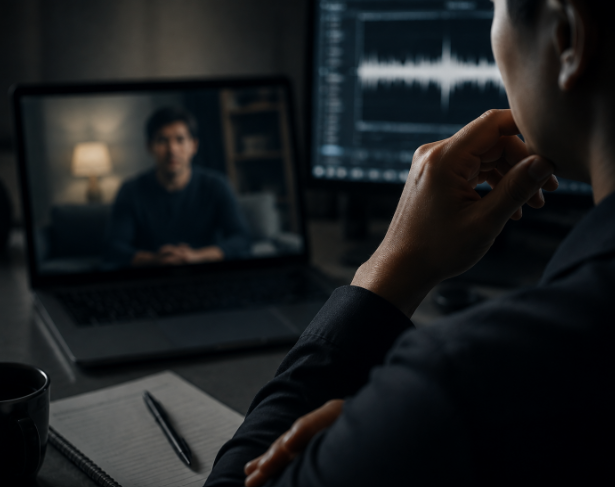

The obvious danger of deepfakes is a fabricated clip passed off as real. A subtler danger has been spreading alongside it, and it runs the other way: a genuine recording waved away as a probable fake. Once everyone knows that audio and video can be manufactured, anyone caught on tape can simply claim they were, and enough people will pause long enough to wonder if the claim is true.
The Doubt Cuts Both Ways
Researchers have a name for this, the liar’s dividend. As public awareness of synthetic media grows, the mere possibility that something could be fake becomes a tool for the person it incriminates. A real confession, a real security clip, a real voicemail can each be dismissed with three words: it’s a deepfake. The same technology that lets bad actors fabricate evidence also hands the guilty a ready-made way to deny the authentic. Doubt, once introduced, is hard to walk back. The accusation costs nothing to make and forces the other side to prove a negative, which is a large part of why it works.
Proving Genuine Is Harder Than Exposing Fake
Debunking a fake and confirming something real are not mirror images. Exposing a fake often comes down to finding a single inconsistency, one detail that could not be there if the item were genuine. Proving authenticity is the opposite and harder task. It means building a positive case that the media is internally consistent and consistent with everything that should surround it, with no such inconsistency to be found anywhere. This is work that AI Media Forensics increasingly has to do, not only tearing down fabrications but standing behind the genuine article when someone insists it cannot be trusted.
What Authenticity Actually Rests On
Establishing that a piece of media is real draws on several independent lines that have to agree:
- The source device or account the file actually originated from
- Metadata and file structure consistent with an unaltered original
- An unbroken record of how the media was collected and stored
- Outside records, from carriers or systems, that corroborate the event
When these line up, an authentic recording holds even against a confident claim that it is fake. When they are missing, real evidence becomes far easier to dismiss, which is why the way media is captured and preserved matters as much as what it shows. A recording collected cleanly and stored without gaps is far more defensible than one that surfaced through unknown hands.
The Case Has to Be Explained
A finding is only as useful as its power to persuade. Confirming authenticity is technical, but a court, an opposing party, or a skeptical public also has to understand why the conclusion holds. Firms built around forensic work meant for scrutiny tend to pair the analysis with people who can explain it plainly and defend it under questioning, since an unexplained conclusion convinces no one. The most careful finding changes nothing if the people deciding cannot follow it.
The rise of convincing fakes did not only make lies easier. It made the truth easier to deny, and answering that denial, proving that something real is real, is steadily becoming the harder half of the work.

