
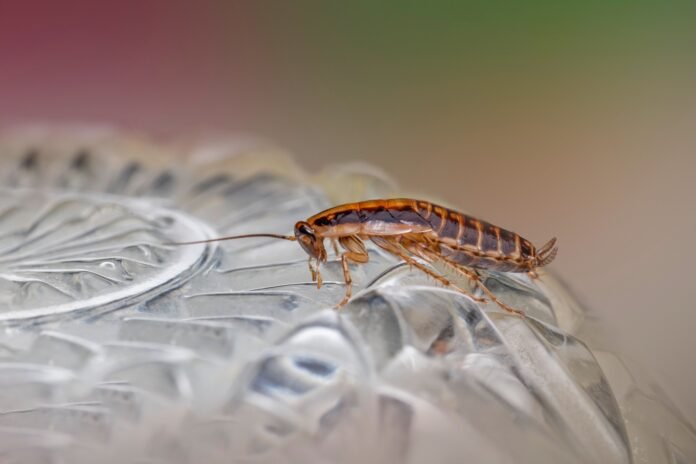

Your house can look spotless and still attract pests. That’s part of what makes them so frustrating. They slip into the background, work quietly, and often become a bigger issue before you notice the signs. In warm, humid places like South Florida, the risk climbs even faster because insects and rodents don’t really take much of a season off. If you want fewer surprises and fewer repair bills, it helps to know what to watch for.
The usual suspects in warm, humid climates
If you live in a tropical or subtropical area, pest pressure tends to stay high year-round. That’s especially true with common pests found in South Florida, where heat and humidity create ideal breeding conditions for ants, termites, roaches, mosquitoes, rodents, and spiders.
Each one brings a different kind of trouble. Cockroaches contaminate surfaces and trigger allergies. Termites quietly chew through wood structures. Mosquitoes turn your backyard into a no-go zone and can carry disease. Rodents gnaw wiring, insulation, and stored items like they’re paying rent with damage.
You don’t need to panic over every bug sighting. Still, when you notice repeat activity, droppings, unusual smells, mud tubes, or insect wings near windowsills, it’s smart to pay attention before the problem graduates from annoying to expensive.
Why pests show up even in clean homes
You can keep a tidy kitchen, vacuum regularly, and still end up with pests. Most of them aren’t looking for dirt. They’re looking for water, shelter, and easy access. A dripping pipe under the sink or damp mulch near your foundation can be more inviting than a few crumbs on the counter.
Weather also plays a huge role. Heavy rain drives bugs indoors, while hot stretches make shaded crawl spaces and garages feel like prime real estate. Tiny entry points matter too. A gap under a door or a torn window screen can become an open invitation.
The trick is thinking like a pest for a minute, which is admittedly not the most glamorous exercise. If your home offers moisture, warmth, and a hidden corner, something out there may try to move in.
Early warning signs you should never ignore
Pests rarely make a dramatic entrance. More often, they leave subtle clues. You might hear scratching in the walls at night, spot grease marks near baseboards, or notice tiny piles of frass that look like sawdust. Those details matter.
In the kitchen, check for droppings in cabinets and behind appliances. In bathrooms and laundry rooms, watch for silverfish, roaches, or ants near moisture. Outside, inspect window frames, soffits, mulch beds, and the lower edge of siding. A lot of infestations begin where indoor comfort meets outdoor access.
Odd pet behavior can be another sign. Dogs pawing at walls or cats staring at the same vent for days aren’t usually conducting advanced research. They may be hearing movement before you do.
Catching problems early often means simpler treatment, less disruption, and a much lower repair bill.
What makes one home more vulnerable than another
Two houses on the same street can have very different pest issues. Construction style, landscaping, drainage, and maintenance habits all affect risk. Older homes often have more cracks and hidden entry points. Newer homes can still have issues if irrigation systems keep the soil too wet or if dense landscaping presses right against the exterior.
Storage habits matter more than people think. Cardboard boxes in garages, cluttered attics, and wood piles near the house create ideal hiding spots. Even bird feeders can attract rodents if seed spills and sits overnight.
Food storage plays a part, but not just in obvious ways. Unsealed pet food, pantry staples in thin packaging, and overflowing recycling bins can all draw activity. Pests are opportunists. They don’t need a banquet. They just need enough to stick around and invite their friends, which is rude but efficient.
Prevention habits that make a real difference
The best pest control strategy starts long before you see a problem. A few practical habits can lower your odds significantly:
– Seal cracks around doors, windows, vents, and utility lines
– Fix leaks quickly, especially under sinks and around outdoor spigots
– Store dry goods in sealed containers
– Keep tree branches and shrubs trimmed away from the house
– Empty standing water from planters, gutters, and yard items
– Move firewood, mulch, and dense debris away from the foundation
– Clean behind appliances where crumbs and moisture collect
Consistency matters more than perfection. You don’t need a laboratory-grade home. You need fewer easy wins for pests.
It also helps to think seasonally. Rainy months may increase mosquito and ant issues, while cooler snaps can push rodents indoors. Your prevention plan should shift with real conditions, not just your cleaning schedule.
When DIY works and when it really doesn’t
DIY pest control has its place. Sticky traps, sealing gaps, improving sanitation, and reducing moisture can solve minor issues or help you monitor activity. For a small ant trail near a window, a quick response might be enough.
The problem comes when surface-level fixes hide a deeper infestation. Sprays from the hardware store may kill visible bugs while leaving nests, colonies, or access points untouched. Termites, bed bugs, and recurring rodent problems often fall into that category. So do roach infestations that keep bouncing back after every “victory.”
There’s also the issue of misidentification. Treating the wrong pest wastes time and money. It can even make the issue worse if the real source keeps growing behind walls, under floors, or in the attic.
If the signs repeat or spread, it’s usually time for a more targeted plan.
What professional pest management usually includes
Professional pest control is not just someone showing up with a spray can and strong opinions. A solid service usually starts with inspection and identification. That means finding the pest, the entry point, the attractant, and the scope of the issue.
From there, treatment may include targeted applications, bait systems, exclusion work, monitoring, and follow-up visits. For some pests, long-term prevention is just as important as immediate removal. Termites, for example, call for a very different strategy than mosquitoes or pantry pests.
A good provider should explain what they found, what they’re treating, and what you can do between visits. That partnership matters. Even the best treatment plan works better when you combine it with smart maintenance.
You’re not just paying for chemicals. You’re paying for expertise, pattern recognition, and a process that aims to stop the cycle.

