
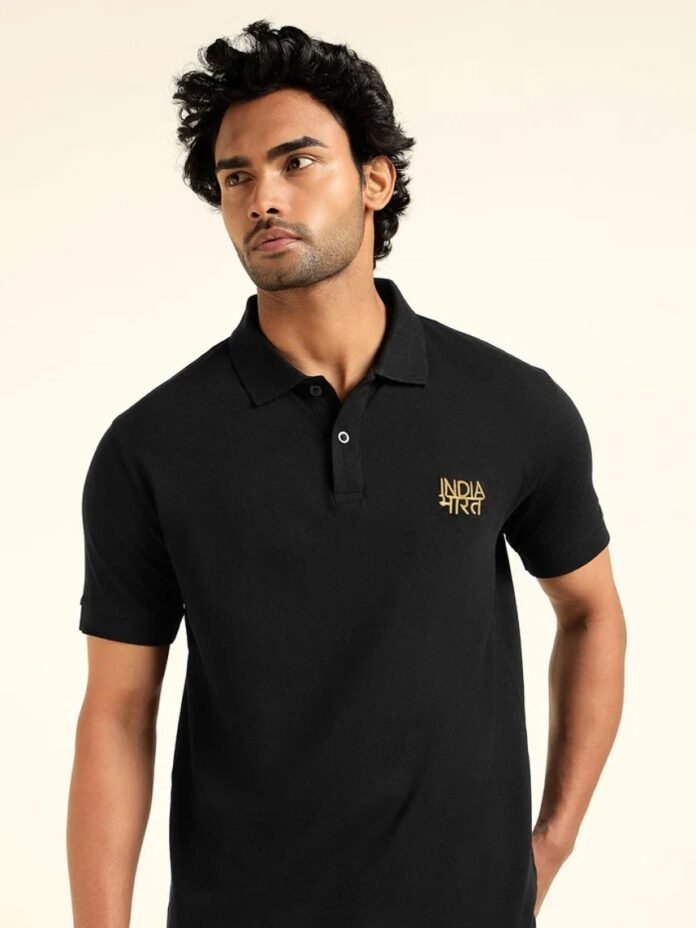

Few pieces of clothing have survived decades of fashion cycles quite like the polo shirt. Born on the tennis courts and golf greens of the early 1900s, it has moved from athletic wear to office attire to weekend casual staple without losing its identity. For men especially, polo shirts have become a wardrobe anchor that works across seasons, occasions, and body types. Yet many buyers still get confused about fit, fabric, and styling. This guide breaks down everything you need to know.
Why Polo Shirts Are Still Relevant
The polo shirt survives because it solves a specific problem: it looks more put together than a plain t-shirt but far less stiff than a button-down. That collar and placket do a lot of work. They add structure to an otherwise simple silhouette, which is why polo shirts show up in so many different settings, from corporate dress codes to golf clubs to casual brunches.
For men, the modern polo shirt has evolved well beyond the boxy, masculine cut of its early years. Brands now design with waist tapering, shorter or longer hem options, and softer fabric blends, making it a genuinely flattering choice rather than a borrowed-from-the-boys item.
How to Choose the Right Fit
Fit is where most people go wrong when buying a polo shirt. Here is a simple way to get it right.
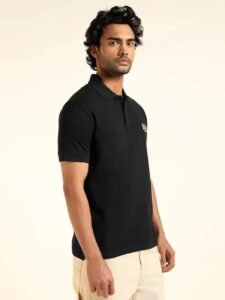
Step 1: Check the shoulder seam. The seam should sit right at the edge of your shoulder, not drooping down your arm or pulling tight across it. This is the single biggest indicator of correct sizing.
Step 2: Look at the waist. A well-fitted polo shirt should skim the body without clinging. If you can pinch more than two inches of fabric at the waist, it is likely too loose.
Step 3: Test the collar. Button it up and check that it lies flat against your collarbone. A collar that gapes or stands up awkwardly usually means the shirt is either too big or made from stiff fabric that hasn’t been broken in.
Step 4: Consider the hemline. Longer hemlines work well if you plan to tuck the shirt in, while a shorter, slightly curved hem suits an untucked, casual look.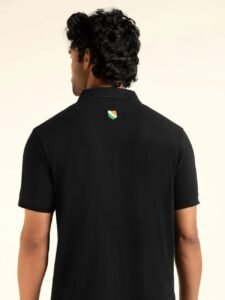
Understanding Fabric Choices
Not all polo shirts are created equal, and fabric plays a huge role in comfort and longevity.
Cotton pique is the classic choice. It has a slightly textured, waffle-like weave that keeps the fabric breathable and holds its shape well. This is the go-to option for warm weather and everyday wear.
Cotton-blend jersey feels softer and drapes closer to the body, making it a good pick for a more relaxed, fashion-forward look rather than a sporty one.
Performance or moisture-wicking fabrics are built for activity. These often blend polyester with spandex and are ideal for anyone who wants a polo shirt for the gym, hiking, or actual sport.
Merino wool blends have become popular for cooler climates. They regulate temperature naturally and resist odor, which makes them a smart choice for travel or layering.
Styling Ideas That Actually Work
A polo shirt does not have to look like uniform wear. Here are a few ways to style it for different settings.
For a smart-casual office look, tuck a fitted polo shirt into tailored trousers and add loafers or block heels. This creates a clean, professional silhouette without feeling overly formal.
For weekend wear, pair an oversized or relaxed-fit polo with denim shorts or straight-leg jeans, then finish with sneakers. Rolling the sleeves slightly adds a lived-in, effortless feel.
For layering in colder months, wear a polo shirt underneath a blazer or a lightweight sweater vest. The collar peeking out adds visual interest without extra bulk.
For sport or athleisure, choose a performance-fabric polo and pair it with joggers or a pleated skort. This combination is common on golf courses but has also become popular streetwear.
Caring for Your Polo Shirt
To keep the fabric and shape intact, wash polo shirts inside out in cold water. This protects the color and reduces pilling on the pique texture. Avoid high heat when drying, since it can shrink cotton fibers and warp the collar. If wrinkles form, a quick iron on the reverse side, with the collar buttoned, keeps the shirt looking sharp without flattening the texture.
Final Thoughts
Polo shirts remain one of the most versatile pieces a woman can own, moving easily from the office to the weekend to the golf course without ever feeling out of place. Getting the fit and fabric right makes all the difference between a shirt that sits in the back of the closet and one that becomes a genuine wardrobe staple. Brands like Motherland have leaned into this versatility, offering polo shirts designed specifically with men’s fit and comfort in mind, proving that this century-old style still has plenty of room to grow.

