

Choosing a home near St. Augustine, Jacksonville, Ponte Vedra Beach, or Palm Coast means choosing a daily routine as much as a property.
Beach access, historic streets, marsh views, suburban amenities, and inland convenience can all look appealing, but each setting brings different travel patterns, maintenance expectations, and ownership costs.
For buyers comparing these Northeast Florida communities, St. Augustine FL real estate agents Florida Coastal Team provides home-search tools, community pages, and buyer resources for the Jacksonville and St.
Augustine area. Florida Coastal Team features neighborhoods including St. Augustine, Ponte Vedra Beach, Jacksonville, Amelia Island, Fernandina Beach, and Palm Coast.
Making it a useful starting point for shoppers who want to compare locations before narrowing their home search.
Why the Neighborhood Matters as Much as the House
Flooring, paint colors, and landscaping can often be changed. Location cannot. A home that seems ideal during a short daytime showing may feel less practical if the commute is tiring, parking is difficult, the nearest grocery store is inconvenient, or the surrounding activity does not fit your household.
In Northeast Florida, the same budget may lead to very different lifestyles. A beachside condo may place the ocean close by but involve association rules and shared building decisions. An inland single-family home may offer a larger yard and easier access to major roads, while a historic area may offer character, walkability, and older-home maintenance considerations. Start by deciding how you want ordinary weekdays and weekends to work.
Start With Daily Life, Not Listing Photos
Before touring homes, write down the places and activities that shape your week. This list can quickly reveal whether a neighborhood is truly convenient.
Questions to put on your list
- How long is the trip to work, school, healthcare, grocery stores, and regular appointments?
- Do you want easy access to beaches, boating, golf, parks, trails, dining, or cultural events?
- Would you rather have walkability and nearby activity, or more privacy and quiet?
- Is there enough room for pets, visitors, hobbies, storage, a pool, or a home office?
- Will bridges, school traffic, tourism, or major road construction affect the routes you rely on?
Calculate the Full Cost of Ownership
A realistic housing budget goes beyond the mortgage payment. Request property-specific estimates before making an offer, especially for insurance. Premiums and available coverage can vary based on the home’s location, construction, roof, age, prior claims history, elevation, and wind-protection features.
Use this planning checklist for every property under serious consideration:
- Property taxes and possible exemptions.
- Homeowners insurance and the hurricane deductible.
- Flood insurance, when required by a lender or appropriate for your risk tolerance.
- HOA or condominium dues, plus what those fees cover.
- Electricity, water, sewer, internet, and irrigation expenses.
- Routine lawn, pool, pest-control, roof, HVAC, and exterior-care costs.
- Potential special assessments, particularly in condominium or shared-maintenance communities.
Review Flood, Drainage, and Storm Considerations Early
A flood zone, an evacuation zone, and a general storm-risk concern are not interchangeable. Flood maps address flood hazards for insurance and planning purposes. Evacuation guidance addresses public safety during certain emergencies. A property can also experience localized drainage issues that are not obvious from either category.
Check the address through the FEMA Flood Map Service Center, then discuss the findings with your lender, insurance professional, inspector, and local emergency-management office. During showings and inspections, ask about water intrusion, standing water, drainage paths, gutters, grading, nearby retention areas, roof age, window condition, and permitted repairs.
Florida flooding can result from intense rainfall, prolonged rain, and storm surge. The Florida Department of Environmental Protection explains how flooding and erosion can affect coastal areas, which is a useful reminder to evaluate both the home itself and its surrounding roads, shoreline features, and drainage conditions.
Plan for Coastal Wear and Ongoing Maintenance
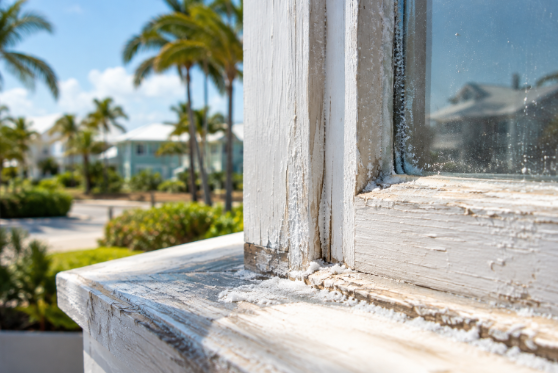
Coastal living can be rewarding, but exterior materials and equipment may need regular attention. Salt air, humidity, strong sun, wind, and heavy rain can, over time, affect exposed components. A fresh interior renovation does not replace a careful review of the home’s protective systems.
Items worth closer inspection
- Roofing, flashing, gutters, and exterior sealants.
- Windows, exterior doors, screens, shutters, and wind-mitigation features.
- HVAC equipment, pool systems, irrigation, and outdoor electrical components.
- Decks, fences, walkways, docks, seawalls, and other waterfront improvements.
- Landscaping that could affect drainage, visibility, or exterior upkeep.
Ask your inspector to help distinguish immediate repairs from likely maintenance within the next several years. That conversation can be more valuable than focusing only on cosmetic details.
Compare Property Types on Their Real Trade-Offs
- Single-family homes: Often provide more control over the property, along with direct responsibility for exterior maintenance and storm preparation.
- Condos: Can reduce certain exterior maintenance responsibilities, but buyers should closely review budgets, reserves, insurance arrangements, rules, and assessment history.
- Townhomes: May combine private living space with shared features, so maintenance duties and association documents deserve careful review.
- Gated communities: May offer amenities and controlled access, but also bring fees, regulations, and architectural guidelines.
- Historic homes: Can provide distinctive character, although renovation plans may require additional care, research, and expense.
Build a Simple Neighborhood Scorecard
After every visit, rate each neighborhood from one to five in these categories:
- Lifestyle fit: Does the setting match your pace, hobbies, and preferred level of activity?
- Total cost: Do projected expenses fit comfortably within your budget?
- Storm readiness: Are you comfortable with the flood, wind, drainage, and evacuation considerations?
- Convenience: Are work, schools, services, recreation, and errands reasonably accessible?
- Maintenance: Can you manage the probable care needs of the home and community?
- Future appeal: Does the location have qualities that could remain attractive to future buyers?
Visit More Than Once Before Making an Offer
Return at different times of day. Visit during the morning commute, after work, and on a weekend if possible. Listen for traffic, trains, aircraft, construction, and neighborhood activity. Observe lighting, sidewalks, parking, drainage, and how easily you can enter or leave the area. A single showing may not reveal the pace of a neighborhood during school pickup, a busy beach weekend, or an evening event.
Final Questions Before You Commit
- What insurance coverage is required, available, or recommended for this address?
- Has the property experienced flooding, storm damage, or water intrusion?
- Are there pending association projects, rule changes, or special assessments?
- Who maintains drainage systems, roads, landscaping, seawalls, docks, or shared amenities?
- What major repairs may be needed during the next five years?
- Are there rental restrictions, pet rules, age restrictions, or renovation requirements?
Conclusion
Choosing a coastal Florida neighborhood is easier when the decision is grounded in daily life, complete costs, property condition, and realistic risk awareness. A thoughtful scorecard, careful due diligence, and repeat visits can help you choose a home that works well long after the excitement of the first showing wears off.

