
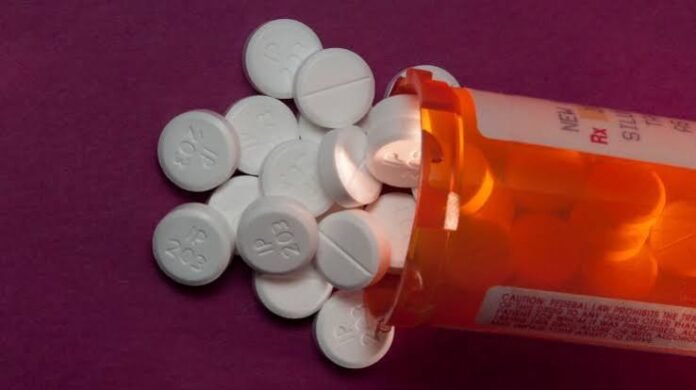

A small white tablet turns up in a medicine cabinet, a backpack, or a jacket pocket. No label. No bottle. Just an imprint stamped into the surface. For a parent, a teacher, a concerned friend, or even a curious patient, that moment raises an immediate question: what exactly is this pill? Knowing how to answer that question accurately is not a trivial skill. It can mean the difference between a false alarm and catching a genuinely dangerous situation early.
This article walks through how prescription pill identification actually works, why opioid imprints matter more than most people realize, what the real-world risks look like, and what to do when concern turns into a need for action. By the end, you should have a clearer picture of how these systems function and why they exist.
How Prescription Pill Imprints Work
Every legal prescription pill manufactured in the United States is required by the Food and Drug Administration to carry a unique imprint. That imprint can be a combination of letters, numbers, or both. The goal is straightforward: allow any pharmacist, physician, or poison control specialist to identify a tablet without needing its original packaging. The system has been in place for decades and is taken seriously by manufacturers.
Imprints are cross-referenced in databases maintained by the National Library of Medicine and various pharmaceutical reference tools. When someone types in a code like AN 627, the database returns the drug name, dosage, manufacturer, and drug class. That transparency is by design. Regulators want pills to be traceable. The system works reasonably well for legitimate medications, though it faces real challenges when counterfeit pills enter the picture.
The AN 627 Imprint: What It Identifies
Among the many pill imprints that generate questions online, AN 627 comes up frequently. It belongs to a class of medications that carries significant misuse potential, which is exactly why understanding it matters. For anyone who wants the AN 627 pill explained in plain language, the key facts include the drug’s active ingredient, its legitimate medical uses, its standard dosage, and the risks that come with it being found outside a supervised treatment context.
The AN 627 imprint identifies a tramadol hydrochloride tablet, typically a 50 mg immediate-release formulation. Tramadol is a centrally acting synthetic opioid analgesic. Physicians prescribe it for moderate to moderately severe pain. While it is sometimes described as a milder opioid compared to oxycodone or hydrocodone, that framing can be misleading. Tramadol still carries real addiction potential and can cause serious harm, particularly when taken in high doses, combined with other substances, or used without medical guidance.
Tramadol’s Dual Mechanism
What makes tramadol somewhat unusual among opioids is that it works through two distinct mechanisms. First, it binds to mu-opioid receptors in the brain, which is the same pathway as classic opioids like morphine. Second, it inhibits the reuptake of serotonin and norepinephrine, which is an action more commonly associated with certain antidepressants. This dual action is why tramadol was initially thought to carry lower misuse risk than other opioids. That assumption has since been revised. The Drug Enforcement Administration reclassified tramadol as a Schedule IV controlled substance in 2014, reflecting growing evidence of its misuse potential.
Why People Search for Pill Identifiers
The motivations behind pill identification searches are varied, and most of them are legitimate. Someone finds a loose tablet and wants to know if it is safe to take or needs to be discarded. A caregiver is checking that the right medication was dispensed. A parent discovered something in a teenager’s room and wants to understand what they are dealing with before having a conversation. A person managing chronic pain wants to verify what they received from the pharmacy matches their prescription.
Poison control centers handle a significant volume of calls related to unidentified tablets. According to the American Association of Poison Control Centers, calls involving pain medications, including opioids, consistently rank among the most common exposure reports year over year. Quick identification is genuinely useful in these situations. The faster a clinician knows what a person may have ingested, the faster they can respond appropriately.
When Identification Leads to a Harder Conversation
Sometimes identifying a pill confirms a concern rather than resolving one. A family member finds a controlled substance that was not prescribed to anyone in the household. A friend is taking a medication at doses or frequencies that seem inconsistent with any prescription. These moments are uncomfortable, but they are also opportunities. Early recognition of a problem tends to produce better outcomes than waiting for a crisis. The identification is just the first step; knowing what to do with that information is the more complex part.
Opioid Risks by the Numbers
Understanding why opioid identification matters requires some context about the broader landscape of opioid use and harm in the United States. The numbers are sobering and worth knowing.
| Metric | Figure | Source |
| Drug overdose deaths in the U.S. (2022) | Approximately 107,500 | CDC, National Center for Health Statistics |
| Overdose deaths involving opioids (2022) | Approximately 81,806 | CDC, National Center for Health Statistics |
| Americans with opioid use disorder | Approximately 5.6 million | SAMHSA, 2022 National Survey on Drug Use and Health |
| Tramadol-related emergency department visits (approx.) | Over 54,000 annually (pre-2020 data) | DAWN (Drug Abuse Warning Network) |
| Prescription opioid misuse, past year (adults) | Approximately 8.7 million | SAMHSA, 2022 National Survey on Drug Use and Health |
These figures are not meant to generate panic. They are meant to provide proportion. Tramadol, the drug identified by the AN 627 imprint, sits within a broader opioid category that causes considerable harm when used outside medical supervision. The pill itself is not unusual in a clinical setting. What matters is the context in which it appears.
Common Signs That Opioid Use Has Become a Problem
If identifying a pill raises concerns about someone’s use patterns, it helps to know what warning signs are associated with opioid misuse or developing dependency. These signs do not confirm anything on their own, but they can guide whether a more serious conversation is warranted.
- Taking a medication more frequently or in higher doses than prescribed
- Using someone else’s prescription medication
- Experiencing strong cravings between doses
- Continuing to use a substance despite negative consequences at work, school, or in relationships
- Withdrawal symptoms such as sweating, irritability, or muscle aches when the drug is not available
- Spending significant time obtaining, using, or recovering from the effects of a substance
- Losing interest in activities that were previously enjoyable
- Changes in sleep patterns, appetite, or social behavior
Any single item on that list is not a diagnosis. A cluster of them, particularly when they represent a change from someone’s baseline behavior, is worth paying attention to. Opioid use disorder is a recognized medical condition with effective treatments. Recognizing early signs allows for earlier intervention, which generally produces better long-term results.
What to Do With Unidentified or Concerning Medications
Finding an unidentified pill carries some practical next steps that are worth knowing regardless of the outcome.
- Use a reputable pill identifier: The National Library of Medicine’s DailyMed database and the FDA’s drug databases are reliable starting points. Many pharmacies also offer free identification services.
- Contact Poison Control if there is any chance of ingestion: The U.S. Poison Control hotline is 1-800-222-1222. It is free, confidential, and staffed by specialists around the clock.
- Dispose of unneeded medications safely: The DEA operates National Prescription Drug Take Back Day events twice a year, and many pharmacies have permanent drop-off kiosks. Flushing medications is a last resort for certain high-risk drugs when no other option is available.
- Seek medical advice if use patterns are concerning: A primary care physician can provide an initial assessment and referrals. Treatment options for opioid use disorder include medication-assisted treatment, counseling, and structured support programs.
- Have an honest conversation: If the concern involves another person, approaching the conversation with curiosity rather than accusation tends to go better. The goal is to open a door, not close one.
Counterfeit Pills: A Growing Complication
One critical caveat to any pill identification effort: the imprint system assumes the pill was manufactured legally. Counterfeit pills are a serious and growing problem. The DEA has reported that illicit fentanyl is now being pressed into tablets that mimic the appearance of legitimate prescription medications, including those that resemble tramadol, oxycodone, and other commonly prescribed drugs. A pill that looks exactly like AN 627 and bears the same imprint could, in theory, be counterfeit if it was obtained outside a licensed pharmacy.
According to the DEA’s 2022 National Drug Threat Assessment, approximately six out of ten counterfeit pills seized contained a potentially lethal dose of fentanyl. That statistic fundamentally changes the risk calculation for any pill obtained outside a pharmacy. Identification based on imprint alone cannot confirm whether a tablet is genuine. This is one of the strongest arguments for never taking a medication that was not dispensed by a licensed pharmacy under a valid prescription.
Putting It Together
Pill imprints exist for good reasons, and understanding them is a genuinely useful skill. An imprint like AN 627 can be decoded quickly with the right tools, and knowing what it indicates, tramadol 50 mg, its drug class, and its risk profile, is information that can matter enormously depending on the circumstances. Whether the goal is confirming a legitimate prescription, responding to an accidental ingestion, or recognizing a potential problem in someone close to you, starting from accurate information is always the better path. The stakes with opioids are high enough that guessing is not a reasonable option.

