
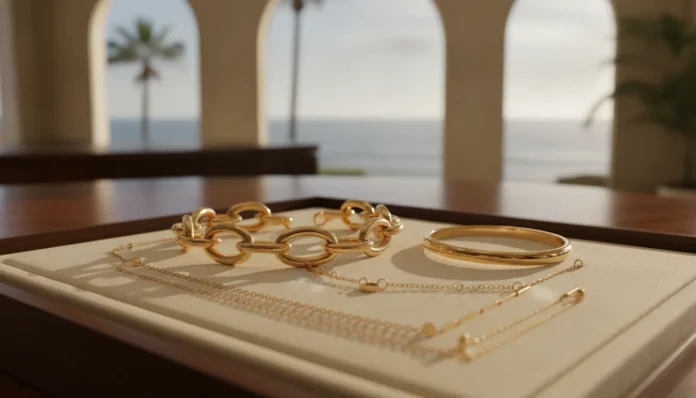

Fine jewelry has always reflected more than changing fashion preferences. For many buyers, it represents personal milestones, individual taste, relationships, and long-term value. Within this market, bracelets occupy an interesting position. They can be subtle everyday accessories, meaningful gifts, or distinctive luxury pieces, making them relevant to a wide range of consumers.
For jewelry retailers, this versatility creates opportunities to reach different customer groups without relying on a single style or occasion. As shopping habits evolve, bracelets continue to offer a combination of personal expression, craftsmanship, and wearability that supports their place in the fine jewelry market.
How Consumer Preferences Are Changing in the Fine Jewelry Market
Today’s jewelry buyers often approach purchases with a clearer idea of what they want from a piece. Appearance remains important, but considerations such as versatility, material quality, brand reputation, and long-term wearability also influence decisions. Rather than choosing jewelry exclusively for special occasions, many consumers look for pieces they can incorporate into their everyday wardrobes.
This shift has encouraged retailers to offer collections that balance classic designs with contemporary details. Minimalist gold jewelry, understated diamond accents, and adaptable designs appeal to buyers who want accessories that work across different settings. At the same time, distinctive statement pieces remain relevant for customers who see jewelry as an opportunity to express their personality.
Online shopping has also changed how consumers discover and compare fine jewelry. Buyers can explore different materials, styles, and price points before visiting a store or making a purchase. Detailed product descriptions, clear photographs, and transparent information about craftsmanship help establish confidence, particularly when purchasing higher-value items.
For retailers, understanding these preferences means offering variety without losing a recognizable identity. A carefully selected collection can serve customers looking for everyday essentials as well as those interested in more distinctive luxury accessories.
Why Bracelets Appeal to Different Generations of Jewelry Buyers
Bracelets have an advantage that some other jewelry categories do not: they are relatively easy to incorporate into different personal styles. A simple chain bracelet can complement a professional outfit, while a diamond tennis bracelet can add a more formal touch. Leather, gold, silver, and gemstone designs also provide options for buyers with different preferences.
Younger consumers may be drawn to layering, personalized details, and jewelry that reflects their interests. Older buyers may place greater emphasis on traditional craftsmanship, precious materials, and designs that remain appealing over time. These preferences are not mutually exclusive, however. A classic bracelet can appeal to someone purchasing their first fine jewelry piece just as much as to an experienced collector.
Retailers benefit from recognizing that age alone does not determine purchasing behavior. Lifestyle, budget, personal taste, and the occasion behind a purchase can be equally important. Offering different bracelet styles, from understated everyday designs to more elaborate pieces, makes it easier to accommodate these differences.
The Influence of Luxury Brands and Timeless Designs
Luxury brands have helped establish certain bracelet styles as recognizable elements of fine jewelry. Tennis bracelets, chain bracelets, bangles, and designs featuring signature motifs each have distinct appeal. Some are associated with established jewelry traditions, while others gain attention through contemporary interpretations and changing fashion preferences.
The appeal of timeless designs is particularly relevant in a market where consumers may be cautious about spending on expensive accessories. A bracelet with a simple silhouette and quality materials can remain wearable even as clothing trends change. This makes classic designs an important part of many jewelry collections.
Brand recognition also influences purchasing decisions. Established luxury houses often have recognizable design languages, consistent craftsmanship standards, and a history that contributes to their market positioning. However, buyers should look beyond the name when evaluating a piece. Materials, construction, authenticity, and suitability for regular wear are important considerations regardless of the manufacturer.
For retailers, maintaining a balance between recognizable luxury styles and less conventional designs can help attract customers with different expectations.
Personalization, Precious Metals, and the Demand for Meaningful Jewelry
Personalization has become an important consideration across many consumer categories, and fine jewelry is no exception. Buyers increasingly look for pieces that connect to personal experiences, relationships, or significant occasions. Bracelets are particularly suitable for this because they can incorporate initials, engraved messages, birthstones, or symbolic charms.
Precious metals also play an important role in how consumers evaluate jewelry. Yellow gold offers a warm, traditional appearance, while white gold provides a cooler finish. Rose gold appeals to those who prefer a softer tone, and platinum is valued for its distinctive properties and durability.
The choice of metal affects more than appearance. Buyers should consider maintenance requirements, skin sensitivity, lifestyle, and how frequently they intend to wear a piece. These practical details can help narrow down the selection.
Exploring different fine jewelry bracelets can give buyers a better understanding of how materials, design details, and proportions influence the overall look of an accessory. For retailers, presenting these differences clearly can make the shopping experience more informative and help customers make decisions that reflect their individual preferences.
How Everyday Wear Is Shaping Bracelet Design Trends
Jewelry is increasingly being selected with everyday routines in mind. Consumers who want to wear their favorite pieces regularly tend to consider comfort, weight, fastening mechanisms, and how easily an accessory fits into their existing wardrobe.
This has encouraged interest in designs that are visually appealing without being difficult to wear. Slim gold chains, delicate diamond bracelets, and understated bangles can complement casual and formal clothing alike. Their versatility makes them practical choices for people who prefer a smaller collection of carefully selected accessories.
Layering has also influenced bracelet styling. Combining different chain thicknesses, textures, and materials creates a more individual look. However, successful layering requires some consideration of proportions and comfort. Bracelets that frequently catch on clothing or interfere with daily activities may be less suitable for regular use.
Retailers can respond by showing customers how different pieces work together rather than presenting every bracelet as an isolated product. Styling suggestions and clear information about dimensions can make online and in-store shopping more useful.
The Role of Gift-Giving in Fine Jewelry Purchases
Bracelets are popular gift options because they can mark a wide range of occasions. Birthdays, anniversaries, graduations, weddings, and personal achievements all provide reasons to choose a piece of fine jewelry. Unlike some fashion accessories, a well-selected bracelet can carry sentimental meaning long after the occasion has passed.
The range of available styles also makes bracelets adaptable to different relationships and budgets. A delicate chain bracelet may be appropriate for a first fine jewelry gift, while a diamond design might be selected for a significant anniversary. Personalized details can add another layer of meaning without necessarily changing the overall style of the piece.
For jewelry businesses, gift purchases create opportunities to improve the customer experience through thoughtful packaging, clear product information, and guidance on sizing. Bracelet sizing deserves particular attention because a piece that does not fit comfortably may need adjustment or exchange.
Seasonal occasions can influence demand, but meaningful gifting is not limited to holidays. Retailers that present their collections around different life events can help customers find appropriate options throughout the year.
Why Quality and Craftsmanship Matter in Long-Term Jewelry Value
The lasting appeal of fine jewelry depends heavily on the quality of its materials and construction. A bracelet may look impressive in a display case, but its practical value also depends on how well it withstands regular wear.
Buyers should pay attention to clasp security, link construction, stone settings, and the overall finish. These details can affect both comfort and durability. For diamond and gemstone bracelets, the quality of the settings is especially important because loose or poorly secured stones can create problems over time.
Maintenance is another part of responsible ownership. Regular cleaning, appropriate storage, and occasional professional inspections can help preserve a bracelet’s appearance and identify potential issues before they become more serious. Different metals and gemstones may require different care methods, so following appropriate guidance is worthwhile.
For jewelry retailers, explaining these details helps customers understand what distinguishes a well-made piece from an ordinary fashion accessory. It also builds trust by making the purchasing decision about more than appearance or brand recognition.
A Lasting Place in the Fine Jewelry Market
Bracelets continue to appeal to jewelry buyers because they combine flexibility with personal meaning. Their range of styles allows retailers to serve customers interested in everyday accessories, luxury statement pieces, and thoughtful gifts.
As consumer expectations evolve, businesses that emphasize craftsmanship, clear product information, and a balanced selection of designs can create a more valuable shopping experience. The strongest collections are not necessarily the largest ones, but those that offer pieces suited to different lifestyles and preferences.
For buyers, the same principles apply: choosing a bracelet should involve more than following a trend. A design that feels comfortable, reflects personal taste, and is made to a high standard is more likely to remain a valued part of a jewelry collection for years.