
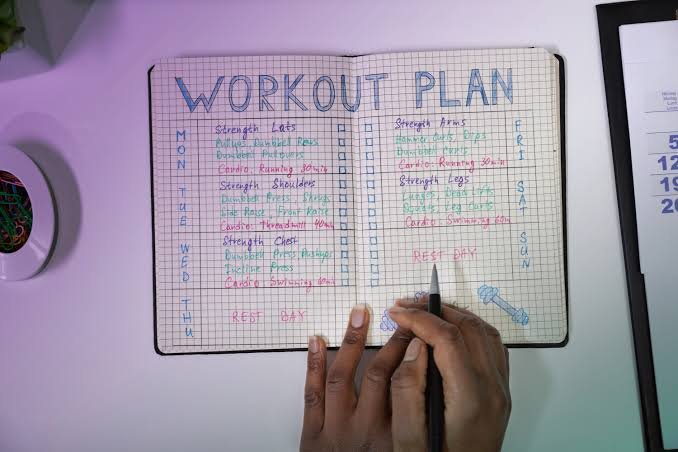

Starting a new fitness journey feels exciting during the first week. That excitement can fade when life gets busy. Many people struggle to stay on track, not because they lack willpower, but because they try to do too much too soon.
Building a workout routine that lasts takes good planning, realistic goals, and habits that fit your daily life. With a few simple changes, exercise can become a fun and rewarding part of your day instead of a task you want to avoid.
Continue reading to discover everything you need to know!
Start With Realistic Goals and Simple Habits
Building daily exercise habits starts with setting goals you can reach. You do not need to aim for perfect results right away. People should start with small, simple goals, as this can build confidence and lower the risk of early burnout.
Instead of planning 2-hour gym sessions 7 days a week, begin with 20 or 30 minutes of exercise. During the first month of a beginner fitness routine, staying consistent matters more than working out at a high level. A clear post workout stack on your kitchen counter can be a visual reminder of your fitness goals. You can link a new habit to something you already do each day.
Map Out a Balanced Weekly Workout Plan
A balanced weekly workout plan helps you stay active without making your body too sore or tired. Adults need 150 minutes of moderate exercise each week.
They also need at least two days of muscle-strengthening activity. If you spread the exercise across five days, that means just 30 minutes per session.
Add these key activities to your weekly plan to build strength and stamina:
- Cardiovascular training
- Strength training exercises
- Mobility and flexibility work
- Active recovery days
Changing your workouts helps prevent boredom and lowers the risk of injuries from doing the same moves too often. Adding each session to your digital calendar helps you stay on track.
Prioritize Recovery and Daily Energy
What you do outside the gym also affects your progress. Moderate and intense exercise can help adults sleep better. Better sleep can improve focus, mood, and energy levels the next morning.
Eating well after a workout can also help your body recover. Good food choices and enough water repair muscles and replace the energy used during exercise.
Drink plenty of water and eat balanced meals to help your body recover. This can make it easier to get ready for your next workout without feeling worn out.
Focus on Mental Benefits Over Scale Numbers
Focusing only on fast weight loss can lead to frustration. Visible changes take time, and this can make it hard to stay motivated. Pay attention to how exercise makes you feel, as this gives you a reason to keep going, even before you see changes in your body.
Regular aerobic exercise can improve heart health, metabolism, and mood. Tracking progress beyond the scale can also help you stay positive. Walking at a brisk pace for just 30 minutes a day can lower your risk of heart disease and stroke.
Build Lasting Fitness Habits One Step at a Time
Building a workout routine that lasts does not mean following strict diets, buying costly equipment, or spending hours at the gym. Small actions can lead to big gains in strength and health when you stay patient and keep going. Set out your sneakers tonight, make time for movement, and let each small step help you build a lasting habit.
If you are interested in similar topics, we’ve got you covered.