
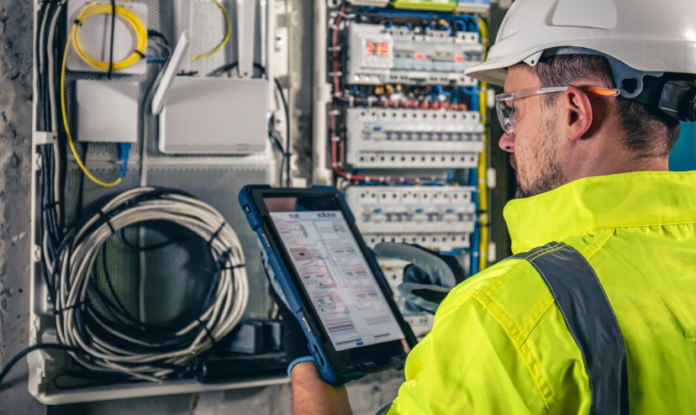

Electrical systems are an essential part of modern homes, powering lighting, appliances, heating, cooling and other everyday equipment. However, electrical faults can create serious risks when wiring, outlets, switchboards or appliances become damaged or outdated. Regular inspections can help identify potential problems before they lead to electric shock, equipment damage or fire.
In New South Wales, electrical wiring work must be carried out by a licensed electrician. The NSW Government also recommends having electrical wiring inspected by a qualified professional to identify potential hazards that may not be visible during a routine household check.
What Is an Electrical Safety Check?
An electrical safety check is an inspection of a property’s electrical installation and related components. The purpose is to identify visible damage, faults, deterioration, unsafe installations and other conditions that could create a hazard.
Depending on the property and reason for the inspection, an electrician may assess the switchboard, power points, light fittings, switches, wiring and safety switches. Testing may also be performed to assess whether electrical circuits and protective devices are operating correctly.
The inspection is particularly useful in older homes, where electrical systems may not have been upgraded for many years. It can also be appropriate before purchasing a property, after major renovations or when recurring electrical problems occur.
Why Electrical Inspections Matter
Electrical faults can develop gradually. A homeowner may notice flickering lights, frequently tripping breakers, warm outlets or unusual smells, but some problems may not produce obvious warning signs.
A professional inspection provides an opportunity to identify issues that may otherwise remain unnoticed. The NSW Government advises homeowners to use licensed electricians for electrical work and avoid attempting electrical repairs themselves.
Safety switches are another important part of household electrical protection. Also known as Residual Current Devices (RCDs), they are designed to disconnect electricity when an electrical fault is detected. NSW Government guidance recommends regular testing of safety switches to confirm that they operate correctly.
What Does an Electrical Safety Check Include?
The exact inspection depends on the property and the electrician’s scope of work. A typical assessment may include checking the condition of the switchboard, circuit protection, visible wiring, power outlets, switches and light fittings.
The electrician may also check whether safety switches are installed on appropriate circuits and whether they respond correctly when tested.
Where required, electrical testing can provide additional information about the condition of the installation. NSW electrical inspection guidance includes checks such as insulation resistance, earthing continuity and RCD operation for relevant inspection situations.
The inspection may also identify issues caused by age, physical damage, moisture, overloaded circuits, poor previous workmanship or unauthorised electrical modifications.
When Should a Property Be Inspected?
There is no single schedule that applies to every residential property. The appropriate timing depends on the age and condition of the electrical installation and how the property is used.
An inspection can be considered when buying an older home, moving into a property with an unknown electrical history or preparing a house for sale. It can also be useful after flooding or other events that may have exposed electrical components to water.
Homeowners should arrange an inspection promptly when they notice warning signs such as burning smells, damaged cables, buzzing outlets, repeated circuit trips, flickering lights or signs of overheating.
Properties undergoing renovations can also benefit from electrical checks because changes to walls, ceilings, lighting and appliances may affect existing electrical installations.
Electrical Safety in Wet Areas
Bathrooms, laundries and kitchens require particular attention because water and electricity can create serious hazards. Electrical outlets and switches must be installed in suitable locations and meet applicable requirements.
Building Commission NSW identifies incorrect positioning and protection of switches and socket outlets in wet areas as examples of electrical non-compliance.
A qualified electrician can assess whether electrical components in these areas are appropriately installed and protected.
Choosing a Licensed Electrician
Electrical work should not be treated as a DIY project. Homeowners should verify that the electrician holds a current licence before authorising electrical work. Homeowners can also ask for an explanation of any problems identified during the inspection and request a written quotation before approving repairs.
What Happens After an Inspection?
Following an electrical inspection, the electrician should explain any hazards or defects discovered and identify repairs that may be necessary. Some issues may require immediate attention, while others can be scheduled as maintenance.
A written report can help property owners understand the condition of the electrical system and plan future work. If repairs are recommended, the homeowner can request a clear breakdown of the work, materials and associated costs.
It is important that homeowners do not attempt to repair exposed wiring, switchboards, outlets or other electrical components themselves. NSW Government guidance states that electrical installation work must be completed by a licensed electrician.
Conclusion
An electrical safety check can help homeowners identify faults and potential hazards before they become more serious problems. The inspection can cover important parts of a property’s electrical system, including wiring, outlets, switchboards and safety switches.
Regular attention to electrical safety is especially important in older properties, renovated homes and buildings showing signs of electrical faults. By using a licensed electrician and addressing identified issues promptly, property owners can maintain a safer electrical installation and reduce avoidable risks.