
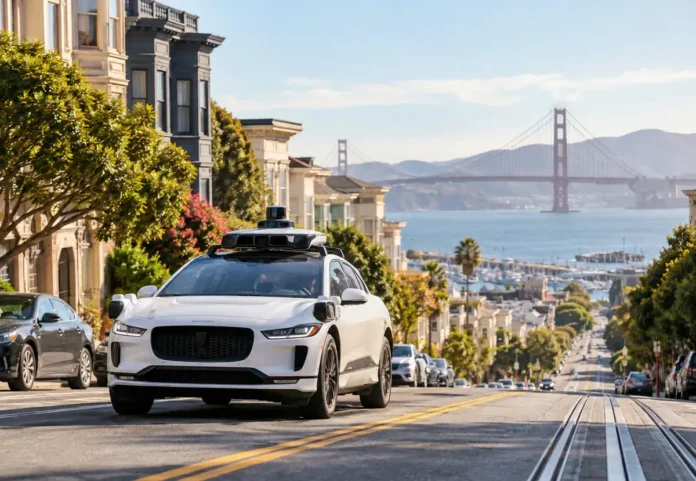

Autonomous travel is becoming part of the everyday transportation conversation in San Francisco, California, where steep grades, crowded sidewalks, bike lanes, transit corridors, construction projects, and frequent special events all shape a trip. Residents and visitors who want to explore driverless ride options can learn more here, but any ride should be considered alongside walking, biking, buses, rail, ferries, taxis, and conventional rideshare services.
Technology is only one part of the question. A useful autonomous transportation service must also work with the city’s streets, support emergency response, provide clear pickup instructions, and serve riders with different mobility and communication needs.
Why Autonomous Travel Matters in San Francisco
A driverless ride differs from a standard rideshare trip because there is no active human driver in the vehicle. Still, an autonomous vehicle operates in a human environment. It must account for people crossing mid-block, delivery vehicles stopping in travel lanes, cyclists moving through intersections, and changing roadway conditions.
San Francisco transportation leaders have supported an incremental, performance-based approach to autonomous vehicle deployment. That approach emphasizes demonstrated safety results, reporting, and operational limits such as service areas, fleet size, and hours of operation. It is a practical reminder that a successful ride depends on more than software.
How Autonomous Rides Work
An autonomous vehicle uses sensors, maps, computing systems, and driving software to navigate without a person steering from the driver’s seat. Services may also use remote assistance, where trained staff can provide support when a vehicle encounters an unusual situation.
- Geofencing sets the digital boundary of an area where a service may operate.
- Remote assistance can help address unusual circumstances without replacing safe vehicle behavior.
- Fallback behavior describes how a vehicle responds when it cannot confidently continue, such as pausing or selecting a safer route.
For example, a trip that proceeds smoothly along a familiar corridor may need extra time when road markings are obscured, a lane is closed, or a crowd changes the normal flow of traffic.
What Riders Should Expect Before a Trip
Before requesting an autonomous ride, treat the pickup and drop-off as part of the trip rather than an afterthought. A location that looks close on a map may be difficult to reach because of a hill, a median, a construction zone, or a restricted curb.
- Confirm that the pickup point is safe and reachable on foot.
- Check that the destination falls within the available service area.
- Allow extra time around parades, waterfront events, stadium activity, and road closures.
- Review the service’s in-app support and safety instructions before departure.
- Keep luggage, strollers, and mobility equipment ready for efficient loading.
Safety on Busy City Streets
Autonomous systems may avoid human distractions such as fatigue or phone use, but they still must respond appropriately to complex street conditions. Safe operation involves yielding to pedestrians, recognizing cyclists, following signals, handling blocked lanes, and leaving enough room for emergency vehicles.
Riders should look beyond broad safety promises and ask practical questions. How does the service handle a failed traffic signal? What happens if the vehicle stops unexpectedly? How are incidents documented, reviewed, and communicated to public agencies? Consistent reporting and long-term performance matter more than a short demonstration ride.
How Driverless Rides Fit With Public Transit
Autonomous rides are best understood as one travel option in a larger network. Muni buses and rail, BART, ferries, walking, cycling, taxis, and on-demand cars all serve different trip types. High-capacity public transit can move many people along shared corridors, while an on-demand vehicle may be useful for a late-night connection or a final leg that is difficult to walk.
A visitor might arrive by rail, walk through downtown or along the Embarcadero, then use a car service for the final connection to a hotel or neighborhood destination. Comparing options can reduce unnecessary transfers and help travelers choose the most reliable route for the time of day.
Accessibility and Inclusive Travel
Transportation is not fully useful if it works only for riders who can walk easily, use a smartphone, see curb conditions clearly, or board without assistance. Before booking, riders should check whether a service can accommodate mobility devices, service animals, audio or visual communication needs, and safe boarding requirements.
Clear pickup locations are especially important in San Francisco, where uneven sidewalks, steep blocks, and congested curbs can complicate boarding. Human support must also be available when a rider cannot reach the assigned pickup point or a trip changes unexpectedly.
What Happens During Emergencies?
Power outages, major fires, damaged signals, severe weather, street closures, and large public gatherings can quickly change travel conditions. Riders should know how to contact support, follow instructions from emergency personnel, and avoid leaving a stopped vehicle unless directed to do so.
California’s updated rules authorize local emergency officials to issue emergency geofencing directives that keep autonomous vehicles out of restricted incident areas. The regulations also include requirements related to first-responder interaction, reporting, and operational restrictions when public safety calls for them.
Rules, Oversight, and Public Data
Autonomous vehicle oversight can seem complicated because responsibilities are shared. State agencies oversee permits and operating requirements, while local agencies plan streets, manage transportation networks, and coordinate emergency response. Public reporting can help residents, policymakers, and operators assess issues such as collisions, vehicle immobilizations, and interactions with first responders.
Strong oversight does not require rejecting new transportation technology. It can establish clearer expectations for safety, accessibility, privacy, accountability, and meaningful public feedback.
Practical Tips for Visitors and Residents
- Plan around announced closures and major events.
- Choose a pickup location with enough space for safe boarding.
- Keep your phone charged and support details accessible.
- Do not wait in a travel lane or block a bike lane while meeting a vehicle.
- Use transit when it offers a faster or more dependable trip.
- Report unsafe stops, access barriers, or confusing ride experiences through the appropriate channel.
Common Questions
Are autonomous rides the same as public transit?
No. Autonomous rides are generally on-demand trips for a small number of passengers. Public transit is designed to move larger groups along shared routes and schedules.
Are driverless rides always faster?
No. Travel times still depend on traffic, curb access, construction, crowds, weather, road closures, and the available route.
What should a rider do if the vehicle stops?
Remain inside unless support staff or emergency personnel instruct otherwise. Use the available support channel and provide the vehicle location if requested.
The Road Ahead
Autonomous travel in San Francisco is not only a technology story. It is also a question of street management, emergency readiness, accessibility, public transit connections, and trust. Riders do not need to choose between enthusiasm and skepticism. They can compare options, prepare for the conditions around them, and expect clear standards that make every trip safer and easier to use.
Conclusion
As autonomous travel continues to develop in San Francisco, its value will depend on how well the technology works within the city’s broader transportation system. For riders, the best approach is to stay informed, plan for real-world street conditions, and choose the travel option that offers the safest, most accessible, and most reliable journey for each trip.

