
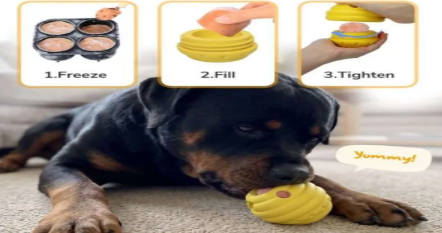

Choosing the right dog toy manufacturer can make a major difference for pet brands, retailers, wholesalers, and distributors. Customers today look for dog toys that are engaging, practical, and visually appealing. For businesses, the challenge is finding products that fit their brand identity while meeting specific requirements for materials, shapes, colors, sizes, and packaging.
Working with a professional manufacturer gives brands the opportunity to develop a custom dog toy instead of relying only on standard products. From chew toys and treat-dispensing designs to interactive toys and customized promotional products, manufacturers can support different product concepts from initial design to final production.
Why Work With a Professional Dog Toy Manufacturer?
A dog toy manufacturer does more than produce finished products. The right manufacturing partner can help turn a product idea into a market-ready item.
Businesses can discuss their target customers, preferred materials, product dimensions, colors, branding, and packaging with the manufacturer. This creates more control over the final product and allows brands to build a recognizable product range.
Support for Different Product Ideas
Pet brands may need several types of dog toys depending on their market. A manufacturer can produce options such as:
- Chew toys
- Fetch toys
- Tug toys
- Treat-dispensing toys
- Interactive toys
- Squeaky toys
- Training toys
- Puzzle toys
- Custom promotional toys
Having access to different production options allows businesses to expand their collections without depending entirely on generic products.
Custom Dog Toy Manufacturing for Pet Brands
A custom dog toy gives a brand more freedom over how its product looks and functions. Instead of choosing a ready-made toy, businesses can work with a manufacturer to develop a design based on their requirements.
Customization may include the shape, dimensions, colors, textures, logo placement, material selection, and packaging.
Custom Shapes and Designs
Unique shapes can help a product stand out on ecommerce stores and retail shelves. Brands can create toys inspired by bones, balls, animals, food items, geometric shapes, or completely original concepts.
The design can also be developed around a specific purpose. For example, a toy may include textured areas for chewing or openings designed for treats.
Brand Colors and Logo Placement
Branding is another important part of custom production. Manufacturers can incorporate company colors and logos into the toy or packaging.
A consistent visual identity can make it easier for customers to recognize products across websites, marketplaces, social media, and physical stores.
Choosing Materials for Custom Dog Toys
Material selection is an important stage when developing a dog toy. Different materials create different textures, flexibility, weight, and production characteristics.
Silicone Dog Toys
Silicone is commonly considered for products that require flexibility and a distinctive texture. It can be molded into different shapes and surface patterns, making it suitable for various custom designs.
Rubber Dog Toys
Rubber is another popular option for manufacturers producing chew, fetch, and interactive toys. Different rubber formulations can provide different levels of flexibility and firmness depending on the product concept.
Other Material Options
Depending on the product design, manufacturers may also work with materials such as TPR, nylon, fabric, and other suitable compounds.
The appropriate material depends on the intended use, design requirements, production method, and applicable product standards.
Product Development With a Dog Toy Manufacturer
Creating a custom product normally starts with an idea or basic concept. The manufacturer then works through several stages before large-scale production begins.
Design and Product Specifications
The first stage involves defining the product. Brands should provide information about:
- Toy dimensions
- Target dog size
- Intended use
- Preferred material
- Color requirements
- Logo or branding
- Packaging
- Estimated order quantity
Clear specifications help reduce misunderstandings during development.
Prototype Development
A prototype allows the business to review the physical design before moving into larger production. This stage can help identify changes needed in the shape, dimensions, texture, or appearance.
For custom products, reviewing samples carefully can save time and reduce unnecessary production changes later.
Mold and Production Preparation
For molded products, a production mold may need to be created according to the approved design. The manufacturer can then prepare the production process around the selected material and product specifications.
Once the sample and production details are approved, manufacturing can move forward.
Quality Checks During Dog Toy Production
Consistent production is important for businesses selling pet products. Manufacturers may use quality-control procedures throughout production to check dimensions, appearance, weight, color, finishing, and packaging.
For brands selling in different markets, it is also important to understand the product requirements and applicable regulations for their target region.
Consistent Product Specifications
Every production batch should follow the approved specifications as closely as possible. Consistency matters because retailers and customers expect products ordered at different times to maintain similar characteristics.
Custom Packaging for Dog Toy Brands
A custom dog toy becomes more recognizable when paired with branded packaging. Packaging can include the company logo, product information, instructions, product features, and other brand elements.
For ecommerce businesses, attractive packaging can also create better opportunities for product photography and social media content.
Private Label Dog Toys
Businesses that want to sell products under their own brand can work with manufacturers offering private-label production. The manufacturer produces the item while the business markets and sells it using its own brand identity.
This approach can be useful for online pet stores, retailers, wholesalers, and established pet brands looking to expand their product catalog.
Selecting the Right Dog Toy Manufacturer
Not every manufacturer offers the same production capabilities. Before choosing a supplier, businesses should evaluate several factors.
Manufacturing Experience
Look for a manufacturer with experience producing the type of toy you want to develop. Ask about previous projects, available materials, production methods, and customization options.
Production Capacity
Order requirements can vary significantly between small businesses and established retailers. Discuss minimum order quantities, production capacity, lead times, and future scaling requirements before placing an order.
Communication and Sampling
Good communication is important throughout product development. A manufacturer should be able to understand specifications, answer production questions, provide samples when required, and communicate clearly about timelines.
Benefits of Developing a Custom Dog Toy
A custom product can provide several opportunities for pet businesses.
Stronger Brand Identity
A unique product design gives customers something specifically associated with your brand rather than another generic marketplace item.
Flexible Product Development
Brands can develop products for puppies, small dogs, large breeds, training activities, interactive play, or other specific uses.
Better Retail Presentation
A customized toy combined with branded packaging can create a more consistent appearance across ecommerce listings, retail displays, and promotional campaigns.
Growing Your Pet Product Range
Once a successful custom dog toy has been developed, businesses can consider creating related products using the same branding and design language.
For example, a pet brand could develop a matching collection of chew toys, slow feeder bowls, treat toys, and other accessories. This can help create a broader product catalog while maintaining a consistent brand identity.
Conclusion
Working with a reliable dog toy manufacturer gives pet brands greater control over product design, materials, branding, packaging, and production. A well-planned custom dog toy can be developed around a specific audience, product concept, and brand identity.
From the first design idea to prototypes, manufacturing, quality checks, and packaging, choosing the right production partner can simplify the process and support long-term product development. For pet brands, wholesalers, retailers, and ecommerce businesses, custom manufacturing provides a practical way to build a distinctive dog toy collection that fits their market and business goals.

