
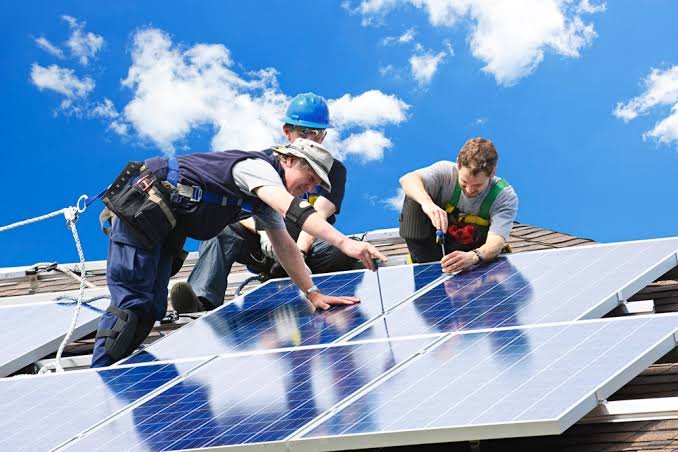

Commercial buildings often have large roof areas that can support solar panels without taking up valuable parking or ground space. However, installing a solar system involves more than mounting panels on a roof. Businesses need to consider roof conditions, energy requirements, electrical infrastructure, and installation planning. Understanding how commercial rooftop solar installation Phoenix projects work can help property owners prepare for each stage.
Step 1: Assess the Roof and Electricity Usage
It starts with an analysis of the building and its electricity use. By examining the utility bills, one can gain an understanding of the amount of energy the business consumes and what could be required for the solar system.
The roof should also be assessed for available space, structural suitability, sunshine and obstructions. Panel placement can be influenced by HVAC equipment, vents, skylights and adjacent buildings. This evaluation is used to see if the roof is capable of supporting the proposed system.
Step 2: Design the Solar System
The contractor conducts an assessment of the property, from which a system design is developed, based on the building needs. This involves positional placement of the panels, system size, mounting configurations and electrical connections.
In the case of a rooftop commercial solar systems, the usable roof area has to be taken into account in addition to the total roof area. Obstruction and access considerations should be taken into account, along with the location of electrical equipment. These pieces of information assist the project team in formulating a practical installation plan.
Step 3: Select Equipment and Arrange Permits
Installation is the next step, which consists of choosing the appropriate equipment. A standard commercial rooftop solar system consists of solar panels, inverters, mounting structures, wiring, conduit, disconnects and other electrical components.
Additional requirements for engineering documentation, building permits, electrical permits, inspections and utility coordination may be necessary depending on the project. This varies depending on site and system design, and so it is important for businesses to verify responsibilities and necessary approvals with their contractor before construction commences.
Step 4: Install Panels and Electrical Components
Once the necessary preparations are complete, installation can begin. The team prepares the roof for the mounting system, installs roof supports, mounts the solar panels and completes the necessary wiring.
One of the key aspects of this work is electrical integration. The electricity produced by the panels is converted to usable electricity by an inverter and is then connected to the building’s electrical system through the wiring.
Business operations must also be taken into consideration when making installation plans. It may be necessary for contractors to coordinate equipment access, rooftop access and construction schedules to minimize unnecessary disruption.
Step 5: Inspect, Test, and Activate the System
After installation, the system must be checked before operation. This can include inspecting mounting structures, verifying electrical connections, testing equipment, and completing required inspections.
Utility approval or coordination may also be necessary before the system can operate as intended. During commissioning, the project team checks that the components work together and explains any monitoring tools or operating procedures the business needs to understand.
Step 6: Maintain the System After Installation
Installation is not the end of the matter. This periodic monitoring and inspection enable businesses to detect performance shifts, equipment issues, and electrical problems.
Maintenance tasks can vary from checking connections, performing an inverter and mounting structure inspection, cleaning panels when needed and scheduling repairs. Before choosing an installer, businesses should make sure they understand the warranties offered and any maintenance services required.
Choosing a Commercial Rooftop Solar Provider
The right contractor should understand commercial properties, electrical integration, project coordination, and ongoing system care. Before hiring a provider, compare its experience, installation scope, equipment specifications, and maintenance options.

