
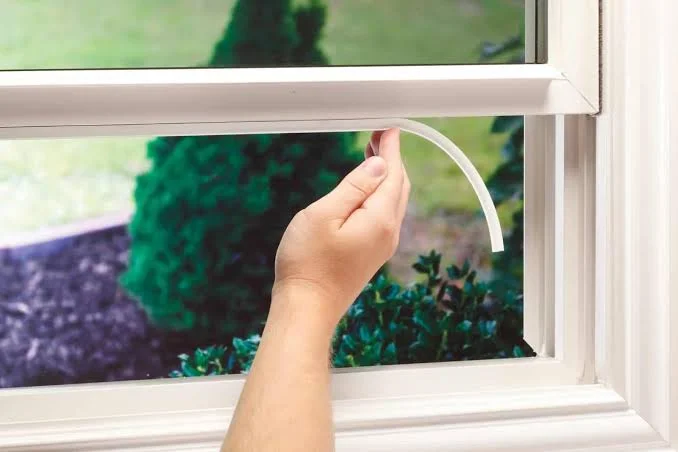

Flexible window seals help reduce air and water leakage by closing gaps between window frames, glass and other connecting parts. They create a flexible barrier that can adjust to small gaps and movements, helping improve the sealing performance of window systems. For window manufacturers and commercial building projects, choosing suitable flexible PVC window seal profiles is an important step towards reliable window performance.
The right seal depends on the window design, material, dimensions and operating conditions. In this article, we explain how flexible window seals work, what affects their performance and how manufacturers can select suitable profiles for commercial applications.
How Do Flexible Window Seals Reduce Air and Water Leakage?
Flexible window seals close spaces between connected window components. These gaps can allow outside air, rainwater, dust and moisture to enter a building if the sealing system is not suitable for the application.
A properly designed seal helps limit these unwanted entry points in several ways.
- Closes small gaps. Flexible material can press against nearby surfaces to create a closer fit.
- Accommodates minor movement. The seal can flex as window components move slightly during normal use or temperature changes.
- Supports weather resistance. A suitable seal helps reduce the entry of wind-driven rain around joints.
- Improves contact between components. Correct dimensions and profile design help the seal fit the intended space.
However, a window seal cannot prevent every leak on its own. Performance also depends on frame design, drainage, installation quality and the condition of the complete window system.
What Makes Flexible Window Seals Suitable for Commercial Windows?
Commercial windows may be used in offices, shops, factories, warehouses and other buildings. These applications can have different requirements depending on the window construction, exposure to weather and expected frequency of use.
Flexible window seals are useful when the sealing component needs to fit around a frame or joint while allowing some movement.
Flexibility and fit
A seal must fit the space it is designed to close. If it is too small, it may not make enough contact with the surrounding surfaces. If it is too large, it may be difficult to install or could interfere with the window’s operation.
The profile shape, thickness and flexibility should therefore match the intended window design.
Resistance to regular use
Window components may experience repeated opening, closing, vibration and changes in temperature. A suitable seal should retain its intended shape and function under the conditions expected in the application.
Material selection is important because different compounds behave differently under heat, cold, sunlight and repeated compression.
Compatibility with the window system
A seal should be compatible with the frame material, installation method and contact surfaces. Manufacturers should check the complete design rather than selecting a profile based on flexibility alone.
Which Types of Leakage Can Window Seals Help Reduce?
Flexible window seals are mainly used to limit air movement and water entry around joints. Their effectiveness depends on where the seal is fitted and how the window system manages air and water.
Air leakage
Air can pass through gaps around a window frame, sash or connecting joint. Suitable seals help close these gaps and may reduce unwanted draughts.
This can support indoor comfort and help limit unnecessary air exchange. The actual result depends on the full window assembly, including the frame, glazing and installation.
Water leakage
Rainwater may enter through poorly sealed joints or gaps around a window. A suitable seal helps create a barrier at the intended contact points.
However, window systems also need suitable drainage paths and correct installation. Seals should not block drainage openings designed to direct water away from the frame.
Dust and outside contaminants
Closing gaps can also help reduce the entry of dust and other outside particles through the sealed areas. The level of protection depends on the seal design and the condition of the surrounding components.
What Should Manufacturers Check When Selecting Flexible Window Seals?
Choosing a suitable sealing profile starts with the requirements of the window system. Manufacturers should review the following points before approving a profile for production.
1. Profile dimensions and shape
Check the width, height, thickness and cross-sectional shape required for the window design. Even small dimensional differences can affect the fit and sealing contact.
Drawings, technical specifications or an approved sample can help establish the required dimensions.
2. Material properties
The material should suit the expected working conditions. Consider flexibility, compression behaviour, temperature exposure and resistance to environmental factors.
PVC is used in various window sealing applications, but the correct PVC formulation depends on the required properties. Not every PVC profile is suitable for every sealing condition.
3. Installation method
Consider how the seal will be fitted into the window system. Some profiles may need to slide into a groove, while others may be installed through a different fitting method.
The profile should fit securely without making assembly unnecessarily difficult.
4. Contact and compression
A seal generally needs suitable contact with the surrounding surfaces to limit leakage. Too little compression may leave gaps, while excessive compression can affect installation or long-term performance.
Manufacturers should check the seal within the actual window design rather than relying only on its appearance.
5. Sample approval and production consistency
Before moving to bulk production, review a sample to check its dimensions, fit and suitability for the intended application.
For repeat orders, clear specifications help maintain consistency between production batches. Any required performance testing should be agreed upon based on the window system and its intended use.
What Problems Can Occur When the Wrong Window Seal Is Used?
An unsuitable seal can affect both installation and the performance of a window system. Common problems include the following.
- Poor fit. Incorrect dimensions may leave gaps or prevent the seal from sitting properly.
- Difficulty during installation. An unsuitable profile shape can make fitting slow or cause the seal to move out of position.
- Loss of sealing contact. A seal that does not maintain suitable contact may allow air or water to pass through.
- Material deterioration. A material that is not suited to the environment may lose flexibility or change shape over time.
- Drainage issues. Incorrect placement or design can interfere with the intended water drainage path.
These problems can often be reduced by confirming the design requirements, checking samples and testing the profile within the intended window assembly.
How Can Buyers Assess PVC Window Seal Profiles Before Bulk Production?
For commercial window manufacturers and other B2B buyers, reviewing the profile before placing a large order can help identify design or fitting issues early.
A practical assessment should include:
- Confirm the technical drawing. Agree on dimensions, cross-sectional shape, material and tolerances.
- Review the sample. Check whether the profile fits the intended frame or groove.
- Test the assembled window. Assess sealing contact and conduct suitable air or water leakage tests where required.
- Check the material requirements. Confirm that the selected formulation meets the application’s operating conditions.
- Agree on production specifications. Document the approved sample and required quality checks before bulk manufacturing.
Testing the complete window assembly is especially important. A profile may fit correctly but still fail to deliver the expected result if other parts of the sealing or drainage system are poorly designed.
How M3 Extrusion Supports Custom Window Seal Requirements
M3 Extrusion manufactures customised plastic extrusion profiles for industrial and commercial applications. With more than 13 years of manufacturing experience, the company works with B2B customers that need profiles made to their drawings, dimensions and specifications.
For window-related applications, customers can discuss profile requirements and review samples before bulk production. This allows the design and fit to be checked before a larger order proceeds.
Businesses considering PVC window seals in commercial applications can use this related guide to understand the role of seals in commercial window systems.
When discussing a custom profile, buyers should provide the intended application, drawings or sample, required dimensions, material requirements and estimated order quantity. These details help establish whether the proposed profile is suitable for the application.
Frequently Asked Questions
1. Do flexible window seals help prevent air leakage?
Yes. Properly designed and fitted flexible window seals help close gaps around window components, reducing unwanted air movement. The result depends on the seal, installation and overall window design.
2. Can flexible PVC window seals stop water leakage?
They can help reduce water entry around suitable joints. However, they cannot compensate for every design or installation problem. Drainage, frame construction and the complete sealing system also affect water resistance.
3. How do I choose the right flexible window seal?
Start with the required profile dimensions, shape, material properties and installation method. Check the fit using a sample and assess the complete window assembly where necessary.
4. Are all PVC window seals suitable for outdoor use?
No. Different PVC formulations have different properties. The material should be selected according to expected temperature changes, sunlight exposure, moisture and other conditions in the intended application.
5. Should window seals be tested before bulk production?
Yes, where practical. Sample approval helps confirm dimensions and fit. For applications with specific air or water resistance requirements, suitable tests on the assembled window can help assess performance before production quantities increase.
6. Can manufacturers order custom PVC window seal profiles?
Custom profiles can be developed to meet defined drawings, dimensions and application requirements. Buyers should discuss the design and material specifications with the manufacturer and review a sample before approving bulk production.
Summary
Flexible window seals help reduce air and water leakage by closing gaps around window components and maintaining suitable contact between surfaces. Their performance depends on the profile design, material, fit, installation and drainage arrangements of the complete window system.
For manufacturers, the most important steps are to confirm dimensions, select suitable material properties, approve samples and assess performance within the intended assembly. These checks can help reduce fitting problems and support consistent production.
If your business requires customised PVC window seal profiles, contact M3 Extrusion to discuss your drawings, specifications and bulk production requirements.

