
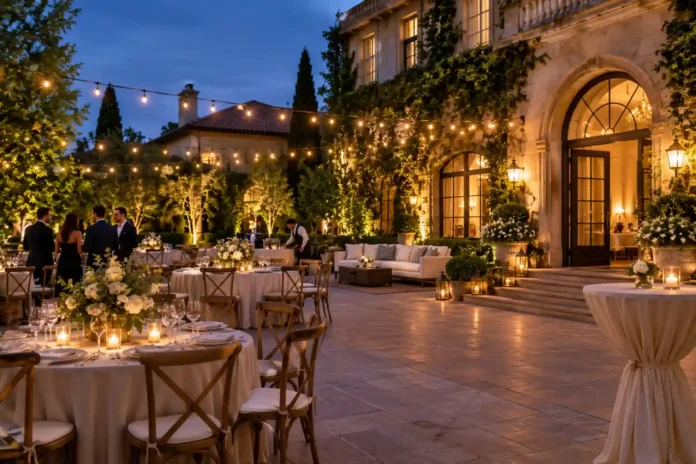

An evening exhibition is a few days away, and the event coordinator at a historic venue is walking the preserved grounds with a short checklist. The entrance looks ready, and the guest list is confirmed, but the pathways to the gardens and parking areas still sit in darkness after sunset. Digging trenches for conventional wiring across lawns is rarely an option there, which is why Solar Infrastructure Lighting for Heritage Sites deserves a closer look.
Many heritage venues run seasonal programs, evening tours, and cultural gatherings, so lighting needs to work for guests without disturbing preserved paths, walls, or planting. This article explains how solar-powered poles fit that situation, what to check before you commit, and how coordinators plan the work around a tight calendar. Think of it as a practical read for the person who has to answer for the lighting, the budget, and the schedule on the night.
How Can Heritage Venues Improve Event Lighting Without Major Site Work?
The answer is to light only the routes guests actually use, and to do it with equipment that sits above ground rather than beneath it. Solar infrastructure lighting for heritage sites works well here because each pole generates and stores its own power, so no cable crosses the lawn.
Retrofit Poles Protect the Ground
Retrofit solar poles can often be fitted to existing posts, or set on small footings in new positions, which keeps excavation to a minimum. For a venue with buried remains, protected lawns, or old stonework, avoiding trenches removes one of the biggest conservation worries before the project even begins.
Pathway Lighting for Guest Routes
Evening visitors need to see steps, curbs, and changes of level, so lighting along entrance routes matters more than dramatic effects on the buildings themselves.
Quick Deployment for Seasonal Calendars
Solar poles that arrive ready to install can shorten the lead time, which suits venues planning around a winter market or an autumn festival. Even so, nobody should promise a three-day turnaround, because site surveys, permissions, and manufacturing schedules still decide how quickly any installation can happen.
Why Does Solar Lighting Suit Historic Venues With Limited Grid Access?
Many historic properties sit on land where the nearest usable power source is a long way from the paths guests will walk. Think of a country house with a walled garden, or a fort with a visitor parking lot beyond the old gates. In those places, solar infrastructure lighting for heritage sites avoids grid extensions because each pole pairs a panel, a battery, and an LED fixture. Systems built for off-grid use also keep running during a local outage, which matters when an evening event depends on reliable light.
Cost is the other half of the picture, because a new electrical line to a remote corner of an estate can mean long, disruptive trenches. A solar pole removes that line from the budget, though the team should still weigh the purchase price against years of maintenance and eventual replacement. Some venues also value the flexibility, since lighting without new cabling can be moved or removed more easily if the layout of an event changes. That matters for sites hosting different programs each season, where the route guests follow in December may look different from the one used in June.
What Features Should Event Coordinators Evaluate Before Choosing?
Not every product delivers solar infrastructure lighting for heritage sites equally well, so coordinators should compare a few practical features before requesting quotes.
Battery Capacity and Panel Output
Look at how many hours of light the battery can supply after a cloudy day, since winter evening events place the heaviest demand on storage. Some retrofit systems pair lithium batteries from 1.44 kWh to 5.28 kWh with panels rated 260 W to 1,140 W, so ask for sizing advice.
Fixture Brightness and Quality
Heritage buildings often look best under gentle, well-directed light, so check the LED wattage options and whether the fixture can be aimed away from facades. Options spanning 30 W to 160 W give teams room to match output to pathways, parking lots, or open courtyards.
Weather Resistance and Upkeep
Outdoor venues face rain, salt air, and frost, so ask about corrosion-resistant finishes and how the manufacturer tests its poles for extreme conditions. Upkeep deserves a question as well, because a pole that needs frequent attention will cost staff time during the busy weeks of an event season.
What Should Heritage Teams Check Before Installing Solar Event Lighting?
A short checklist keeps the project realistic, and it helps the team explain choices to trustees, planners, and conservation officers.
- Sunlight Exposure: Survey each pole position across a full day, because shade from old trees or tall walls can reduce charging and shorten evening run time.
- Permissions: Confirm early with the local authority or heritage body whether footings, pole heights, and visible equipment need approval, since consent can take longer than installation.
- Visual Impact: Compare pole styles and finishes against the surroundings, because a slim, dark-toned post usually blends into a garden better than a bright industrial column.
- Total cost And Timing: Ask for a written comparison of installation, maintenance, and replacement costs against a wired option, and agree a delivery date allowing time for testing.
Where Can Venue Teams Find Solar Lighting Suited to Heritage Grounds?
Manufacturers with a long record in outdoor solar LED lighting are a sensible start, especially those already supplying municipalities and transport agencies. Bring a site plan, event dates, and photographs of the paths, and a supplier will discuss solar infrastructure lighting for heritage sites specifically. One U.S. supplier has spent roughly fifteen years building patented retrofit solar poles, and it offers consultations plus downloadable product catalogs for teams comparing options.
Conclusion
Solar Infrastructure Lighting for Heritage Sites lets guests move safely between entrances, gardens, and parking without the grounds being dug up for cables. Check the sunlight, the permissions, and the costs early, ask plenty of questions, and the evening can go ahead with the grounds undisturbed.

