
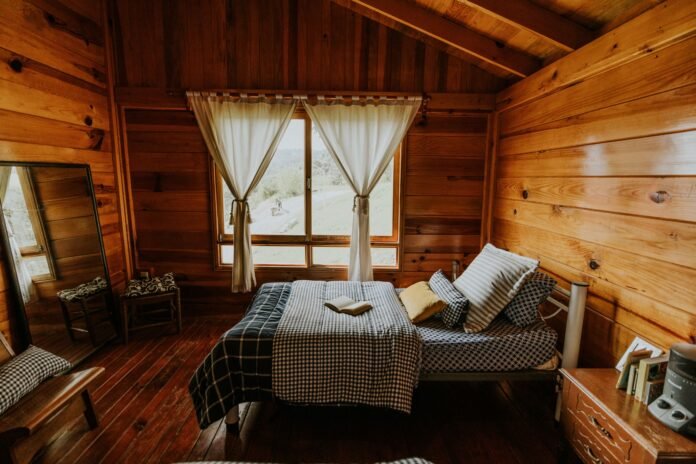

Furnishing a cabin involves more than choosing pieces that look good in photos. You also have to think about comfort, available space, durability, maintenance, and how often the furniture will be used. In the Smoky Mountains, cabin interiors often need to balance the character people associate with a mountain getaway with the practical demands of everyday use and frequent guests. The right furniture can help a cabin feel warm and inviting without turning every room into a rustic-themed obstacle course.
Start With How Your Cabin Will Actually Be Used
Before you pick wood finishes or sofa colors, think about traffic. A personal getaway has very different furniture needs from a high-turnover rental with guests regularly coming and going.
If your cabin hosts families or groups, durable dining chairs, easy-care upholstery, sturdy beds, and practical storage can become much more important than decorative details.
Think about how many people regularly use the space, whether guests frequently eat in, whether children or pets are common, and which rooms receive the most wear.
A cabin isn’t a showroom. A coffee table may double as a board-game arena, snack station, footrest, and unofficial luggage rack.
Buy with that reality in mind, and you’re less likely to spend money on beautiful pieces that don’t hold up to everyday use.
Match the Furniture to the Character of the Cabin
Cabin furniture often works best when it feels connected to the architecture and natural surroundings.
Wood, leather, textured fabrics, stone, and subtle metal details can create warmth without making the interior feel overly themed. Rustic design doesn’t have to mean dark, bulky, or old-fashioned.
A solid wood dining table with clean lines, for example, can complement traditional cabin architecture while still feeling contemporary. Neutral upholstery can provide flexibility, while textured throws, rugs, and smaller decorative pieces can add character.
For property owners looking for a Smoky Mountain cabin furniture store, Smoky’s Furniture offers furniture for cabin and home interiors, including pieces for bedrooms, dining areas, and living spaces. When choosing a retailer, consider not only style but also durability, sizing, delivery options, and whether the available pieces suit the way your cabin is actually used.
The goal is character, not costume. A few thoughtfully selected materials usually create a stronger look than filling every room with competing rustic details.
Prioritize Durability Over Trendy Details
Trends can be fun, but durability tends to matter more once furniture starts receiving regular use.
Frequent luggage movement, wet clothing, children, pets, food spills, and everyday wear can be tough on lower-quality materials.
Pay attention to construction rather than judging a piece only by its appearance. Sturdy frames, reinforced joints, durable finishes, and easy-clean fabrics can make furniture easier to live with over time.
Beds and mattresses deserve particular attention. People may overlook unusual décor, but an uncomfortable mattress tends to become memorable for all the wrong reasons.
For rental properties, durable furniture can also reduce the frequency of repairs and replacements. Spending a little more on heavily used pieces may therefore be more economical than repeatedly replacing cheaper alternatives.
Think Room by Room, Not Piece by Piece
Buying furniture one item at a time without considering the entire room can create cramped layouts and awkward walking paths.
Start by measuring the room carefully. Include walls, windows, doors, door swings, fireplaces, and major architectural features.
Then think about how people will move through the space.
An oversized sectional might provide plenty of seating but make it difficult to reach a doorway. A large dining table may look impressive but become frustrating if chairs cannot be pulled out comfortably.
Multi-purpose furniture can help in smaller spaces. Storage beds, benches, chests, nesting tables, and other flexible pieces can provide useful function without requiring additional floor space.
The best layouts often feel effortless because nothing gets in the way.
Make Comfort Part of the Guest Experience
If the cabin is a rental, furniture affects more than appearance. It becomes part of the overall guest experience.
People notice whether beds are comfortable, seating provides enough support, and dining areas can accommodate the group without everyone playing an unwanted game of musical chairs.
Practical details matter too.
An entry bench can provide somewhere to remove shoes. Nightstands give guests a place for phones and personal items. Lamps near beds and seating areas make rooms easier to use after dark.
The Americans with Disabilities Act National Network provides information about accessibility considerations for lodging facilities. Even when specific requirements vary by property type, thinking about clear pathways, furniture placement, and ease of movement can help create spaces that are more comfortable for a wider range of guests.
Good furniture should make the cabin easier to use, not simply more attractive in listing photos.
Choose Materials With Maintenance in Mind
Furniture that looks fantastic on delivery day isn’t necessarily furniture you’ll enjoy maintaining two years later.
Before purchasing a piece, consider how it will handle spills, scratches, moisture, cleaning products, and repeated use.
Removable or washable covers can be useful for certain upholstered pieces. Performance fabrics may make sense in high-use seating areas, while durable finishes can help tables and other hard surfaces handle everyday wear.
The same principle applies to rugs and decorative textiles. If cleaning an item requires a complicated ritual every time someone spills coffee, it may not be the most practical choice.
Maintenance should influence purchasing decisions from the beginning rather than becoming an unpleasant surprise later.
Think About Indoor Air Quality When Choosing Materials
Furniture and interior finishes can also affect the indoor environment.
Some manufactured wood products, adhesives, coatings, and household furnishings can release volatile organic compounds. When shopping, it can be useful to ask about materials, finishes, and manufacturer information, particularly for items that will be used in enclosed spaces.
The U.S. Environmental Protection Agency provides guidance on volatile organic compounds and their potential sources inside buildings.
Ventilation also matters when introducing new furniture, finishes, or other materials into a property.
This doesn’t mean every piece needs to pass an elaborate chemistry test before entering the cabin. It simply means materials and finishes are worth considering alongside appearance, price, and durability.
Budget for Long-Term Value
Furnishing an entire cabin can become expensive quickly, which makes it tempting to choose the lowest-priced option in every category.
That strategy can backfire when heavily used pieces require frequent repairs or replacements.
Instead, identify which items will carry the greatest workload.
Mattresses, sofas, dining chairs, bed frames, and frequently used tables are often reasonable places to prioritize durability. Decorative accessories, lamps, throw pillows, and certain accent pieces may provide more opportunities to save.
Think in terms of cost per use rather than purchase price alone.
A well-built dining table that performs reliably for years may provide better value than a cheaper alternative that needs replacing much sooner.
The goal isn’t to buy the most expensive furniture available. It’s to spend strategically where quality will make the greatest difference.
Create a Cabin That Feels Comfortable and Useful
The best cabin furniture does several jobs at once. It fits the available space, supports everyday activities, withstands regular use, and contributes to a welcoming atmosphere.
You don’t need to overdesign every corner.
Choose function before decoration, keep materials reasonably consistent, invest in heavily used pieces, and consider maintenance before buying.
Most importantly, think about how people will actually interact with each room.
A well-furnished cabin should feel comfortable without trying too hard. When furniture fits the space and performs reliably, the interior becomes easier to enjoy and easier to maintain.
That combination of comfort, practicality, and character is far more valuable than chasing a design trend that may be gone before the sofa needs its first deep cleaning.