
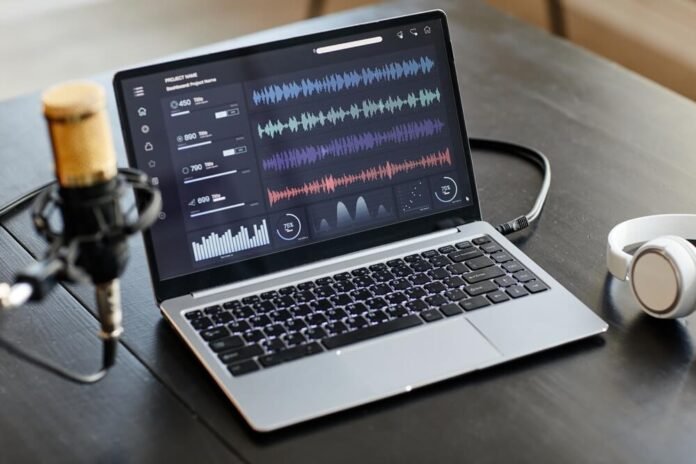

A voice-over can make a complicated explanation feel approachable, give a short advertisement personality, or help someone follow a training lesson. The performer’s job goes beyond reading words clearly. Through pace, emphasis, and phrasing, the voice helps listeners understand what matters and how the message is intended to feel.
Choosing a performer therefore starts with the project itself. A voice that suits a lively product launch may distract from a sensitive customer message. Before comparing demos or requesting quotes, define the audience, the purpose of the recording, and the conditions in which people will hear it. Those decisions create a useful basis for casting and production.
Start with the listener and the purpose
Describe who will hear the recording and what they should understand or do afterward. An internal training module might need patient explanations and consistent terminology. A public campaign may need a distinctive personality within a short running time. A telephone greeting should help callers navigate quickly without making them feel rushed.
The listening environment also matters. Someone watching a presentation can use visuals to interpret a sentence, while a person following audio instructions may depend entirely on the spoken words. Ask whether the voice needs to hold attention for several minutes, communicate one short idea, or guide a sequence of actions. This helps you judge delivery against a real task.
Choose a performance, not just a pleasant sound
A demo can introduce a performer’s range, but an attractive voice alone does not establish suitability. Listen for how the speaker handles meaning. Do important words stand out naturally? Are transitions clear? Does the delivery sound like someone communicating with a listener, or like someone reciting a script?
When researching Voice Talent for a project, a service such as Voice Talent Online can provide context for the casting process; its website describes voice-over casting, recording, and audio post-production services. Use that information to frame your questions about auditions, session support, and delivery, then assess the proposed performer against your own brief.
A short custom audition can be more useful than another polished demo. Choose a passage that represents the actual work, including a difficult name, a shift in tone, or an instruction with several steps. Give each candidate the same excerpt and direction so you can compare performances fairly. Avoid requesting extensive unpaid material when a brief sample would answer the casting question.
Describe tone through the relationship with the audience. “A knowledgeable colleague explaining a new process” gives more direction than “professional.” “An enthusiastic host welcoming first-time visitors” is more precise than “energetic.” A performer can then make choices about warmth, rhythm, and emphasis without guessing what the adjectives mean to you.
Write a brief that answers practical questions
A useful brief combines creative direction with production details. Share the intended audience, the recording’s purpose, and any reference material that demonstrates the desired delivery. Explain what you like about a reference rather than expecting the performer to imitate another person’s voice.
Include the details that affect the recording and handover:
- Project format and audience, such as a training course, product video, advertisement, or telephone system.
- Script length, target running time, and whether the voice must match existing visuals.
- Language, regional pronunciation, and guidance for names, abbreviations, or technical terms.
- Required file format, file naming, and whether delivery should be one recording or separate clips.
- Recording deadline, review schedule, and the person responsible for approving the performance.
- Intended use, including platforms and campaign duration, so the provider can explain suitable terms.
Keep the brief focused enough to use during a session. If several stakeholders contribute, resolve conflicting instructions before recording begins. One person asking for a relaxed conversation and another expecting a dramatic announcement can lead to repeated takes without a clear standard for approval.
Prepare the script for spoken delivery
Writing that reads well on a page may be difficult to follow aloud. Long sentences, stacked qualifications, and unfamiliar abbreviations make listeners work harder. Read the script aloud at a comfortable pace and mark places where you run out of breath or lose the sentence’s main point. Shorten or reorganize those passages before sending the final version.
Provide a pronunciation guide for terms that could be interpreted differently. A short reference recording is useful for names or specialist vocabulary when phonetic spelling is ambiguous. Decide how numbers, dates, web addresses, and abbreviations should be spoken. Small uncertainties can become repeated inconsistencies across a longer recording.
Timing deserves the same attention. If a video has a fixed duration, check whether the script can fit while remaining understandable. Asking a performer to rush through too much information rarely solves a writing problem. Where possible, remove unnecessary words or allow more time for the message.
Use direction that the performer can act on
During recording, describe the change you need in a specific passage. “Pause briefly before the instruction” or “make the final line feel reassuring” gives the performer a clear adjustment. Repeating “more natural” without explaining the problem leaves too much room for interpretation.
Review a representative section early when the workflow allows it. Confirming the opening tone, pronunciation, and pace can prevent a full recording from following an unsuitable direction. Keep feedback consolidated, and distinguish between a performance change and a script revision. Agree in advance how additional recording requests will be handled.
Plan for different languages and final delivery
For multilingual projects, treat each language version as a complete communication task. Translated wording can take a different amount of time to speak, and an expression that feels casual in one language may sound awkward in another. Have an appropriate language reviewer check the script and pronunciation guidance before the recording is approved.
Keep the communication goal consistent while allowing phrasing and performance to suit the audience. Matching every pause mechanically may reduce clarity. If the recording must synchronize with video, discuss timing constraints early so translation, editing, and performance can be planned together.
Before delivery, confirm what the files will include. You may need edited voice-only recordings, individual clips for an application, or audio prepared for a video mix. Ask how background noise, mistakes, and unwanted breaths will be handled. Clear specifications help the production team deliver files that can be used without another round of preparation.
Listen to the delivered audio against the approved script and, where relevant, within the finished video or application. Check missing words, pronunciation, pacing, consistent volume, and correct file names. A recording that sounds good by itself may still need an adjustment when it is heard alongside music or viewed with on-screen information.
Make the casting decision serve the message
The right voice is the one that helps the intended listener understand and engage with the material. Define the purpose, compare relevant performances, prepare a clear script, and agree on production expectations before recording. These steps give both the performer and the project team a shared standard for success, from the first audition to the final audio file.

