
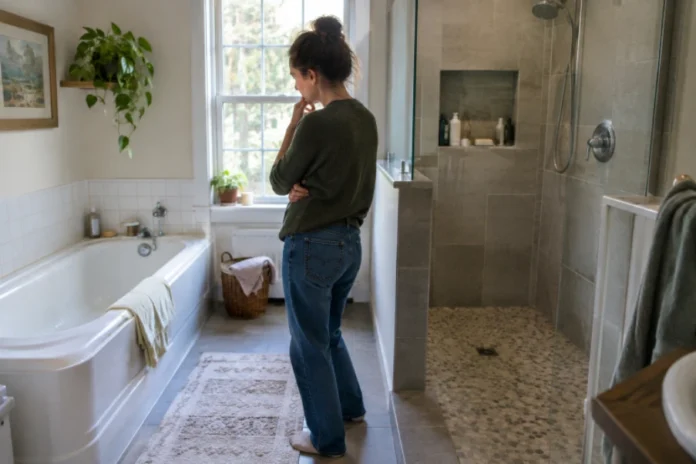

The bathtub and shower area has an outsized effect on how a bathroom feels every day. A worn surround, difficult-to-clean grout, slippery floor, leaking fixture, or high tub wall can turn a routine into a frustration. The good news is that resolving those issues does not always require removing cabinetry, relocating plumbing, or rebuilding the entire room.
A focused bathroom renovation can concentrate on the bathing space homeowners use most. Jacuzzi Bath Remodel specializes in bathtub replacements, shower updates, and tub-to-shower conversions, with authorized dealers serving markets across the United States, including Miami, Florida. That wet-area focus makes the brand a useful example for homeowners comparing targeted improvements with a full-scale remodel.
Why the Wet Area Deserves Priority
The wet area is where moisture, daily wear, and safety concerns tend to meet. Replacing an aging tub, shower base, wall surround, or fixtures can improve the room’s function while preserving the existing layout. It may be a sensible approach when the vanity, flooring, and overall bathroom configuration still work well.
Consider an upgrade if surfaces are cracked or stained, grout has become hard to maintain, the shower feels cramped, water escapes the enclosure, or the bathtub is rarely used. Start by identifying the one problem that matters most, rather than selecting materials before defining the goal.
Choose a Goal Before Choosing Products
- Safety: Reduce slippery footing, awkward entry, and the need to step over a tall tub wall.
- Maintenance: Select wall and base materials that are simpler to wipe down and have fewer joints to scrub.
- Comfort: Add seating, a handheld showerhead, better storage, or controls that are easier to reach.
- Style: Replace dated colors, worn fixtures, or busy wall patterns with a cohesive design.
- Future use: Plan for changing mobility needs, guests, or a multigenerational household.
Decide Between a Tub, Shower, or Conversion
When Keeping a Bathtub Makes Sense
A tub can remain practical for homes with young children, people who enjoy soaking, or households with only one full bathroom. Replacing an old tub within its current footprint may preserve the layout while improving appearance, comfort, and cleanability.
When a Walk-In Shower May Be Better
A walk-in shower can be a better match when getting over the tub wall has become difficult or when the bathtub is mostly unused. It may also create room for a shower seat, grab bars, a handheld spray, and built-in storage. In a compact bathroom, a clearer shower enclosure can make the space feel less enclosed.
Before Converting a Tub to a Shower
Measure the existing bathing area and ask whether the shower can use the current footprint without major plumbing relocation. Think through the threshold height, door swing, drain placement, and condition of the floor around the tub. Also consider whether keeping at least one bathtub elsewhere in the home would better serve your household’s current and future needs.
Build Safety Into the Design
Safety features work best when they are included in the initial plan, not added as a last-minute compromise. The CDC recommends adding grab bars inside and outside a tub or shower as part of making a home safer, along with improving lighting and reducing tripping hazards.
- Choose a low-threshold or barrier-reduced shower entry when the layout allows.
- Use securely mounted grab bars near the entry and bathing position.
- Consider a built-in or fold-down seat for stability and comfort.
- Select a slip-resistant shower base or bathing surface.
- Place controls where they can be reached before standing under the water stream.
- Improve lighting at the shower entrance, vanity, and room entry.
Choose Materials That Cut Cleaning Time
Tile can provide extensive design flexibility, but grout lines require ongoing attention. Acrylic, composite, and other nonporous wall systems can reduce the number of seams where soap residue and moisture collect. Whichever material you choose, ask how it handles everyday cleaning products, scratches, fading, and mildew exposure.
Installation quality matters just as much as the visible surface. Proper wall transitions, seals, drainage, and waterproofing help protect the structure behind the shower from moisture intrusion.
Save Water Without Sacrificing Comfort
A water-efficient showerhead does not have to mean an unsatisfying shower. The EPA estimates that replacing an old showerhead with a WaterSense-labeled model can save an average family about 2,700 gallons of water and more than $75 in water and energy costs each year. Its guidance on this topic is useful when comparing fixture options.
Compare flow rate, spray pattern, pressure, and ease of adjustment. A handheld showerhead can also make rinsing, seated bathing, and cleaning the enclosure easier. Check with your local utility before buying, since some areas offer programs or rebates for efficient fixtures.
Plan Storage and Controls Around Real Habits
Put shelves, niches, and soap storage within easy reach so bottles do not accumulate on the floor. Locate towel bars or hooks where a bather can reach them without crossing a wet floor. Controls should be simple to grip with wet hands, and a handheld showerhead should have a practical resting height for every regular user.
Review the Hidden Details and Timeline
Before work begins, ask how plumbing, waterproofing, drainage slope, thresholds, and wall transitions will be handled. Request a written scope that identifies materials, labor, cleanup, warranty terms, exclusions, and the process for addressing concealed damage or outdated plumbing discovered during removal.
Some bath and shower replacements can be completed more quickly than a whole-room renovation. However, a fast installation depends on the scope, site conditions, product availability, and whether work such as flooring replacement, permits, structural repair, or plumbing relocation is required. Do not assume every one-day project includes the same work.
Questions to Ask Before You Sign
- What parts of the bathroom are included in the quoted work?
- Will the new system fit the existing footprint?
- How will moisture be managed behind the finished surfaces?
- Which safety upgrades can be incorporated now?
- What cleaning and maintenance will the selected materials require?
- Who handles permits, inspections, and debris removal?
- What happens if water damage or plumbing issues are found?
- What product and installation warranties apply?
A Simple Planning Checklist
- Write down the three biggest problems with your current tub or shower.
- Measure the bathing area and note door, window, and fixture locations.
- Decide whether your household needs a tub, a shower, or both.
- Rank safety, comfort, maintenance, style, and water savings.
- Choose materials based on daily use, not showroom appearance alone.
- Request an itemized estimate and confirm the project limits in writing.
A well-planned wet-area update does more than refresh the bathroom’s appearance. It can make bathing safer, cleaning easier, and daily routines more comfortable while directing the budget toward the improvements your household will use most.