
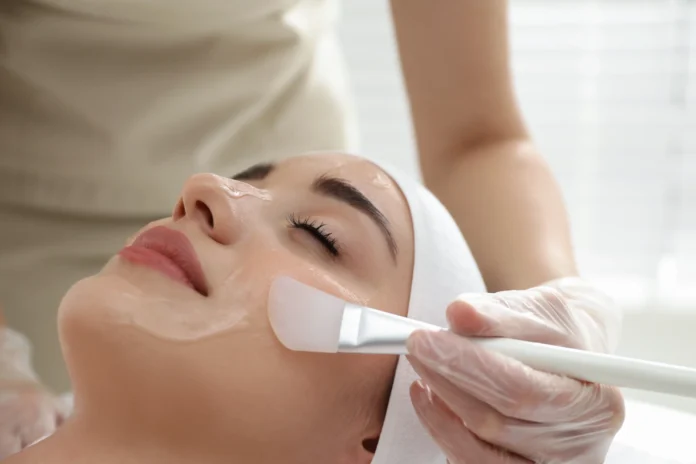

A chemical peel is easier to evaluate when the discussion starts with the skin concern rather than the name of a product. Uneven tone, texture, and acne-related concerns may require different assessments and treatment plans. The right question is which approach fits your skin and goal.
Preparation also extends beyond the appointment. You need to understand whether changes to your skincare routine are required, how recovery could affect daily activities, and when to contact the provider. A clear consultation makes those decisions more concrete and helps prevent a treatment description from becoming a promise of identical results for everyone.
Choose the consultation before the peel
Begin by describing the concern, how long it has been present, and what you have already tried. Bring details of previous procedures and the products you currently use.
For readers exploring Chemical peels in San Ramon, MedLounge’s linked service page outlines several peel offerings at its San Ramon practice. Use the list to prepare questions about the proposed option, rather than deciding that every listed peel is appropriate for your skin.
Ask who will perform the skin assessment and the procedure. The provider should explain whether a peel is suitable, whether a medical diagnosis is needed, and which alternatives deserve consideration.
You do not have to select a product before the visit. A consultation may identify a different approach or a reason to postpone treatment until another concern has been assessed.
Understand how the proposed peel differs
Chemical peels use a solution to produce a controlled treatment of the skin. The depth and formulation influence what the procedure involves and the recovery that follows.
The American Academy of Dermatology distinguishes superficial, medium, and deep peels and explains that their recovery requirements differ. Its patient information also notes that darker skin tones require particular expertise to reduce the risk of pigment problems.
Ask the clinician to identify the proposed peel and describe its expected depth. A brand name, a phrase such as medical grade, or a claim of minimal downtime does not provide all the details needed to compare options.
Find out why that peel is being considered for your concern. The explanation should connect your skin assessment with the intended outcome, rather than simply identify the most intensive product available.
Avoid assuming that stronger treatment necessarily offers a better result. The proposed approach should fit the clinical assessment and the recovery you can reasonably manage.
Share your skincare and medical history
Bring a written list of prescription skin products, over-the-counter treatments, supplements, and relevant medications. Include the products you use occasionally, not only the ones in your daily routine.
Describe prior reactions, unusual scarring, pigment changes, and previous skin procedures. Ask which details may affect the recommendation or preparation.
The AAD’s preparation guidance encourages discussing medications, previous cosmetic treatments, and a history of cold sores during the consultation. It also recommends asking about the provider’s experience and the results you can reasonably expect.
Do not change prescribed treatment solely because a general peel guide recommends doing so. If the provider advises an adjustment, clarify the exact instruction and how it fits with the clinician who prescribed the product.
Tell the provider about upcoming travel and other procedures. Scheduling decisions should account for the full plan rather than treating each appointment as unrelated.
Ask about expected benefit and limitations
Specify what would count as a useful change. A request for more even-looking skin may involve several different causes, so the provider should explain which part the peel is intended to address.
Ask whether the goal is likely to require one treatment, a series, a home-care plan, or another type of care. Avoid committing to a package before understanding why repeat visits are being suggested.
Photographs can help document the starting point, but they should be taken and interpreted consistently. Lighting, makeup, and image processing can make comparisons unreliable.
Ask how the provider will assess the outcome and when that assessment should occur. The immediate appearance after a procedure is not always the appropriate point for judging the benefit.
If a concern needs diagnosis, address that first. A cosmetic treatment should not stand in for the evaluation of a new or changing skin lesion.
- Which peel is being proposed, and what is its intended depth?
- Why is it appropriate for my skin concern?
- What alternatives could address the same goal?
- Which products should I use or pause, and under whose direction?
- What recovery should I plan for?
- Which symptoms require prompt contact?
- When will the result be reviewed?
- What costs are included in the plan?
Prepare for the treatment with specific instructions
Ask for written preparation guidance tailored to the selected procedure. Confirm when to start any recommended changes and whom to contact if the instructions are unclear.
Keep the routine manageable. Adding several new products on your own can make it difficult to identify the cause of irritation. Let the provider direct preparation rather than trying to intensify the treatment in advance.
If your skin changes before the appointment, report it. The clinician should decide whether to proceed, modify the plan, or wait.
Clarify the arrangements for the day itself. Ask how long the appointment is expected to take, whether someone should accompany you, and whether there are any procedure-specific requirements.
Do not use the upcoming professional treatment as a reason to attempt an aggressive home peel. The preparation plan should come from the treating provider.
Plan recovery before booking a date
The AAD explains that aftercare and downtime vary with peel depth; possible complications include persistent redness, pigment changes, and scarring. Its guidance emphasizes following the treating clinician’s instructions.
Ask for a recovery plan that addresses cleansing, prescribed or recommended products, sun exposure, makeup, and activity. Those details should be specific to your procedure rather than based on another person’s experience.
Schedule around what the provider expects, allowing room for uncertainty. A label such as lunchtime peel should not replace a discussion of how your own skin could respond.
Avoid picking or peeling treated skin yourself. Contact the team if symptoms concern you, and follow the instructions for urgent assessment when needed.
Keep the contact information accessible after the visit. Knowing how to reach the practice is part of the recovery plan, particularly outside normal hours.
Review maintenance and total costs
Ask what happens after the skin has recovered and how the provider recommends maintaining any improvement. The plan should clarify which follow-up is necessary and which further treatment is optional.
Request an itemized estimate for the procedure, required products, and any scheduled reviews. If a series is suggested, ask how the team will decide whether subsequent sessions remain appropriate.
Read package terms before paying in advance. Expiry dates, cancellations, and product costs can affect the actual commitment.
Also ask whether the treatment fits with other skincare or procedures you are considering. A coordinated plan is easier to follow than several independent recommendations that may conflict.
Reassess the goal after recovery rather than treating the next appointment as automatic. Your preferences and the provider’s findings should guide further decisions.
Conclusion
A chemical peel consultation should explain the proposed treatment, why it fits your skin, and what preparation and recovery require. The product name is only one part of that discussion.
Bring your history, ask direct questions, and obtain a plan you can follow. For San Ramon residents considering treatment, a realistic understanding of benefit, limitations, and aftercare provides the strongest basis for deciding whether to proceed.