
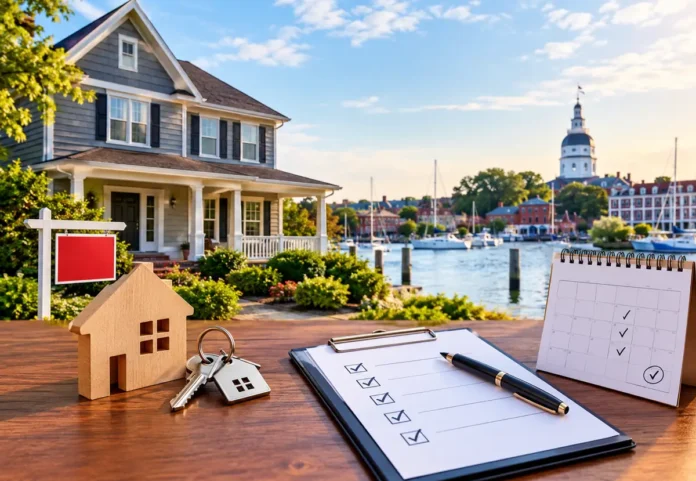

Selling a home quickly in Annapolis takes more than putting up a sign and waiting for calls. Whether the property sits near City Dock, in Eastport, West Annapolis, Parole, or a nearby Anne Arundel County neighborhood, sellers need a plan that matches their timing, budget, and property condition. Homeowners considering cash for houses in Annapolis, MD, may want to compare that route with a conventional listing before deciding which approach best fits their needs. Understanding the differences between these options can help sellers make a more informed decision.
A fast sale can still be organized and well considered. The right preparation can reduce avoidable delays involving inspections, title work, buyer financing, association documents, repairs, and move-out timing. Planning these details early can help create a smoother selling process from preparation through closing.
What Annapolis Sellers Should Know About The Market
Annapolis is not one uniform housing market. A waterfront home, a historic downtown property, a condo near Route 50, and a newer house farther from the water can attract different buyer pools and require different pricing decisions. Location, condition, parking, outdoor space, association rules, and water access can all influence buyer interest.
Maryland’s July 2026 market data showed a median statewide sales price of $455,000, while active inventory rose from April but remained below the prior year’s level. Those market conditions provide useful context, but a seller should rely on recent comparable sales for homes that closely match the specific Annapolis property.
For homeowners who prefer to investigate a direct-sale option alongside a public listing, www.4brothersbuyhouses.com is one place to begin comparing the process, expected timing, and offer structure. Taking time to compare the available selling options can help homeowners choose an approach that aligns with their goals, property, and preferred timeline.
How Long Does a Home Sale Usually Take
A conventional sale generally has four stages: preparation, marketing, contract negotiation, and closing. Preparation may involve cleaning, repairs, photography, document collection, and pricing. After an offer is accepted, inspections, lender underwriting, appraisal, title review, and final settlement can add several weeks or more to the process.
Delays often arise when a buyer requests repairs, an appraisal does not support the contract price, a lender requires additional documentation, or a title search identifies a lien or ownership issue. A cash or direct transaction may reduce some financing-related steps, but title work, payoff figures, signed documents, and a clear closing plan still matter.
Step 1: Set A Clear Selling Goal
Before choosing a selling method, identify the result that matters most. Helpful questions include:
- What is the preferred closing date?
- Is maximizing price more important than reducing the time on market?
- Can the seller complete repairs and accommodate showings?
- Does the home involve tenants, probate, a mortgage payoff, liens, or shared ownership?
- Will the seller need extra time to move after closing?
Step 2: Set A Realistic Price
Pricing should start with recent sales of genuinely comparable homes, not only an online estimate or the price of a nearby property. Consider square footage, lot size, age, updates, parking, view, condition, school area, and whether the property has water access or waterfront responsibilities.
An ambitious price can limit early interest, especially when buyers see better-positioned alternatives. Sellers with a tight deadline may choose a pricing strategy designed to encourage prompt action, while those with greater flexibility may be willing to test the market for longer.
Step 3: Decide Which Repairs Are Worth Doing
Safety And Function
Address serious concerns first, including active leaks, electrical hazards, heating or cooling failures, visible structural issues, and unsafe stairs or railings. These items can affect buyer confidence and may create problems during the inspection or financing process.
Low-Cost Presentation
Cleaning, decluttering, improving lighting, trimming landscaping, and touching up worn paint can make a home easier to evaluate. In Annapolis, moisture management, drainage, older plumbing, and aging mechanical systems deserve attention, particularly in older homes and properties closer to the Bay.
Optional Upgrades
Large renovations should be evaluated carefully. A seller may not recover the full cost of a major kitchen, bath, or exterior project before closing. Selling in the current condition can save time, but buyers may factor in expected repair costs and uncertainty into their offers.
Step 4: Gather Documents Before Marketing The Home
Early document collection helps avoid last-minute scrambling. Assemble mortgage payoff information, tax records, deeds, surveys, permits, repair invoices, warranties, HOA or condo documents, leases, and records related to liens, probate, divorce, or co-ownership.
Sellers should seek guidance from a Maryland real estate attorney, title company, or qualified tax professional when ownership, disclosure, estate, or legal-claim questions arise. It is better to identify a problem before accepting an offer than during the final days leading up to settlement.
Step 5: Compare Different Selling Options
- Traditional listing: Broad exposure and professional marketing, with showings, negotiations, inspections, and a buyer who may use financing.
- For-sale-by-owner: More direct control, but the seller manages marketing, screening, negotiations, disclosures, and transaction coordination.
- Direct buyer: Potentially fewer showings and a simpler schedule, but the seller should compare the offer against likely market value and transaction costs.
- Investor or cash offer: May fit a strict timeline or a home needing substantial work, although price, proof of funds, contingencies, and closing terms still require review.
Step 6: Review Offers Beyond The Purchase Price
The highest offer is not automatically the strongest offer. Compare whether the buyer is paying cash or obtaining financing, the size of the earnest-money deposit, inspection and appraisal contingencies, requested credits, proof of funds or preapproval, possession date, and closing deadline.
For example, a slightly lower cash offer with limited contingencies and a closing date that suits the seller may create less uncertainty than a higher financed offer that depends on inspection negotiations, an appraisal, and final lender approval.
Annapolis Details That Can Affect A Sale
Waterfront And Flood Considerations
Waterfront and near-water properties may involve flood insurance, drainage, docks, bulkheads, seawalls, shoreline maintenance, or permits. Sellers can make buyer reviews easier by gathering records of repairs and improvements, along with any available information about insurance and maintenance history.
Historic Properties
Older Annapolis homes often appeal to buyers looking for character, but they can also raise questions about systems, materials, and prior renovations.
Condos, Townhomes, And Relocation Buyers
Condo and townhome sellers should have association fees, rules, assessments, reserve information, parking policies, and resale documents ready. Annapolis also serves buyers connected to the Naval Academy, government work, military assignments, and regional employers, making a clear possession timeline especially valuable.
Common Mistakes That Slow Down A Home Sale
- Pricing from emotion instead of recent comparable sales.
- Beginning marketing before documents are organized.
- Ignoring known moisture, roof, drainage, foundation, or title concerns.
- Overspending on improvements without considering the likely return.
- Failing to evaluate inspection, appraisal, and financing contingencies.
- Assuming every cash offer is fair, or every listed home will sell quickly.
Final Thoughts
A fast Annapolis home sale begins with clear priorities and complete information. Sellers who understand their property’s condition, prepare documents early, compare offers carefully, and account for local factors can choose a path that balances speed, price, convenience, and certainty.