
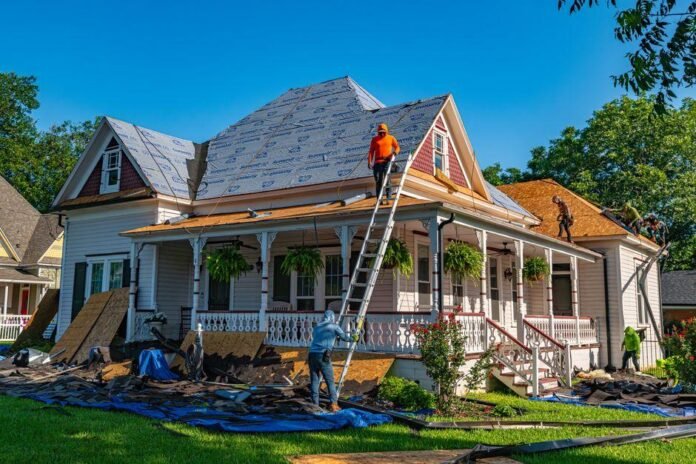

If you’re planning a roof upgrade, you’re not just picking shingles and hoping for the best. You’re making a decision that affects energy use, insurance costs, storm resilience, resale value, and how much maintenance you’ll deal with over the next twenty years. In places where heat, humidity, and severe weather push materials hard, the gap between a basic roof replacement and a smart one gets expensive fast. Knowing what matters now can save you from paying twice later.
Your roof is now part of your home’s performance system
A roof used to be treated like a simple protective shell. That mindset doesn’t hold up anymore. Your roofing assembly now plays into ventilation, attic temperature, moisture control, indoor comfort, and even HVAC workload. If one part of the system is weak, the damage often shows up somewhere else first, like higher cooling bills, mold near insulation, or curling shingles far earlier than expected. When you compare bids, you need to look past the surface material. Ask about underlayment, ridge ventilation, flashing details, drip edge placement, and deck condition. A polished quote can still leave out critical components. A strong contractor will explain the full building-envelope logic behind the installation instead of talking only about color, brand, or square-foot pricing.
The contractor you choose affects the roof more than the shingle brand
You can buy respected materials and still end up with a weak roof if the workmanship is sloppy. Bad nail placement, poor flashing integration, shortcuts around roof penetrations, and weak cleanup practices create expensive problems that manufacturers won’t always cover. Installation quality shapes how your roof performs under stress, not just on day one. That’s where vetting gets practical. A reliable roofing company should be able to discuss local code compliance, storm damage restoration, insurance coordination, ventilation strategy, and warranty structure without sounding vague. You should also expect proof of licensing, insurance, and a clear project scope. If a contractor avoids specifics or pressures you to sign before you understand the system, that’s a warning sign. Professional roofing work should feel precise, documented, and transparent.
Material choice matters more when climate stress keeps increasing
Picking a roof in 2026 means dealing with stronger weather swings than many homes were designed for. Long heat spells, sudden hail, heavy rain bursts, and high-wind events put roofing materials under repeated stress cycles. A product that performs fine in a mild climate may break down much faster in a region with severe UV exposure and moisture intrusion risk. Architectural asphalt shingles still dominate because they balance price and performance well, but they’re not your only serious option. Metal roofing has gained ground for durability, reflectivity, and lifespan. Synthetic composite products are also getting attention for impact resistance and lower maintenance demands. If you’re comparing life-cycle cost instead of sticker price, a premium system may pencil out better than a cheaper install that needs repair work after a few storm seasons.
Insurance and storm claims are changing how roof projects get approved
Homeowners often assume roof replacement is mainly a construction decision. In reality, it’s also an insurance and documentation issue now. Carriers in many markets have tightened underwriting standards, changed depreciation rules, and asked tougher questions about roof age, material type, and prior storm history. That means your contractor’s inspection process matters long before installation begins. Photo documentation, moisture readings, manufacturer specs, and a clear explanation of wind or hail impact can influence whether repairs are approved, partially covered, or denied. If storm damage is involved, you need a contractor who understands claim workflows and can separate legitimate covered damage from cosmetic wear. That keeps you from submitting a weak claim or missing repairs that later trigger leaks. Paperwork quality has become part of roof quality, whether homeowners like it or not.
Energy efficiency isn’t just about attic insulation anymore
A smarter roof can cut heat gain in ways that many homeowners underestimate. Reflective shingles, cool-roof coatings on certain systems, balanced intake and exhaust ventilation, and proper underlayment choices all influence thermal performance. In hot regions, poor roof design can trap heat in the attic and force your air conditioning system to work harder every afternoon. You don’t need a futuristic system to see results. A well-ventilated asphalt roof with properly sized soffit and ridge ventilation can improve temperature regulation noticeably. Metal systems with high solar reflectance can reduce surface heat loads even more in the right setting. The key is matching the assembly to your climate and roof geometry. Energy performance comes from the whole system working together, not from one premium product marketed as a magic fix.
Maintenance is becoming a bigger cost driver than most people expect
A lot of homeowners focus almost entirely on installation day and forget the next fifteen years. That’s where total cost starts to spread out. Roof maintenance now includes seasonal debris management, sealant checks around penetrations, gutter flow protection, algae or moss prevention in humid zones, and post-storm inspections after major weather events. If your roof has valleys under tree cover, multiple dormers, skylights, or low-slope transitions, maintenance needs climb fast. Those features look great, but they create more points where water management can fail. Ask how your design affects service intervals before you approve the job. A cheaper roof with complicated maintenance demands can become more expensive than a higher-quality system with cleaner drainage paths and stronger component integration.
Resale value depends on documentation, not just curb appeal
A new roof photographs well, but buyers and inspectors care about more than appearance. They want to know when it was installed, who installed it, whether permits were pulled, what warranty transfers apply, and whether decking or flashing was replaced during the job. If you can’t produce those details, the perceived value of the upgrade drops. Keep every estimate, invoice, warranty document, and material specification sheet in one digital folder. Save before-and-after photos too. If your roof was installed after storm damage, retain the insurance scope and completion records. Buyers increasingly treat major home systems like they’re evaluating a used car with service history. The cleaner your documentation trail is, the easier it becomes to support asking price and reduce friction during inspection negotiations.
A smart roof upgrade is really a risk-management decision
If you strip away the sales language, roofing is about controlling risk. You’re managing water intrusion, structural deterioration, indoor air issues, insurance exposure, and surprise spending. The smartest upgrade isn’t always the most expensive or the most heavily marketed. It’s the one that matches your climate, your home’s design, and your tolerance for future maintenance. Before you sign a contract, slow the process down enough to ask sharper questions. What failure points are being corrected? How is ventilation being balanced? Which warranty terms matter in real claims? What maintenance schedule should you expect after installation? When those answers are clear, you stop shopping for a roof like a commodity. You start choosing a system that protects your home with fewer compromises and fewer unpleasant surprises over time.