
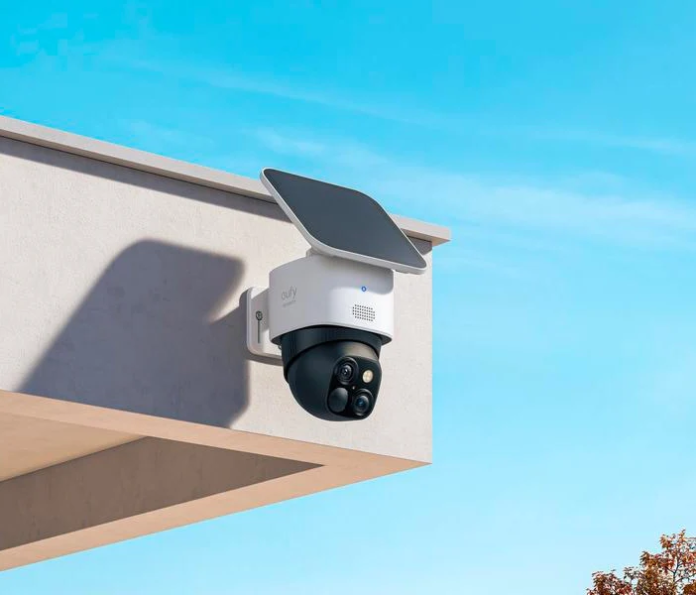

Home security equipment can look impressive on a product page, but choosing the right setup requires more thought than simply buying the latest device. Every property has different entrances, lighting conditions, privacy concerns, and daily routines. A system that works perfectly for one household may be unnecessarily complicated for another.
When planning an upgrade, it helps to think about security as a series of connected layers. outdoor security cameras can show what is happening around the property, while access-control technology can help manage who is allowed inside. The important part is making sure each component has a clear purpose and contributes to the overall security setup without creating unnecessary complexity.
Identify the Moments You Want to See
Start by thinking about the situations you would actually want recorded. Perhaps deliveries are frequently left on the porch. Maybe the driveway is positioned away from the main windows, making it difficult to see approaching vehicles. A side gate could also be used regularly without being visible from inside the house.
These everyday situations can reveal where outdoor security cameras may be useful. Instead of installing cameras simply because a certain number sounds appropriate, consider the areas where visual information would genuinely help. A camera should ideally provide a useful view of activity rather than recording large amounts of irrelevant space.
Match the Camera to Its Location
Not every outdoor location presents the same conditions. A camera covering a sheltered entrance may not face the same challenges as one mounted near an exposed gate. Before choosing equipment, consider factors such as:
- Exposure to rain, dust, and temperature changes
- Available lighting during the evening
- Distance between the camera and the area being monitored
- Whether power is easily accessible
- Strength and reliability of the Wi-Fi connection
- Amount of detail needed in the recorded image
This prevents a common mistake: selecting equipment based almost entirely on specifications while overlooking the environment in which it will actually operate. For example, extremely high resolution is not necessarily helpful if the camera is positioned incorrectly or the lens is frequently affected by glare.
Decide How You Want to Handle Recorded Footage
Another important question is what happens to the video after it has been captured. Depending on the system, recordings may be stored locally, on removable storage, or through a cloud-based service. Each approach has practical differences involving access, storage capacity, internet dependence, and ongoing costs.
Think about how long you realistically need to keep recordings. Someone who mainly wants to check recent deliveries may have different requirements from a homeowner who wants several weeks of history. It is also useful to understand how footage can be accessed. A system may be technically capable of storing recordings but still be inconvenient if finding a particular event takes too long.
Look Beyond the Front Door
The main entrance naturally receives plenty of attention, but it is not necessarily the only place where access needs to be controlled. Garages, side entrances, back doors, and secondary gates can all become part of a property’s security plan. This is particularly relevant for households where family members, cleaners, contractors, or other visitors need occasional access. A smart door lock can provide another way to manage this process. Instead of distributing physical keys, compatible locks can allow authorized users to enter through a code, smartphone, fingerprint, or another supported method.
Temporary access can also be useful. A homeowner might provide a code for a specific period and remove it afterward, rather than allowing permanent access. The exact features vary between models, so access methods and emergency options should be reviewed before installation.
Consider What Happens During a Power or Internet Problem
Connected security equipment is most useful when it remains available during an unexpected interruption. Before choosing a system, find out what happens if the internet connection goes down. Some devices may continue recording locally, while others rely more heavily on cloud connectivity. Similarly, battery backup or alternative power options can determine how a device behaves during an outage.
This does not mean every homeowner needs an elaborate backup system. It simply means understanding the limitations before relying on the equipment. A few minutes spent reading the manufacturer’s specifications can prevent unpleasant surprises later.
Make the System Easy for Everyone to Use
A security system should not be so complicated that household members avoid using it. Think about who will operate the cameras, unlock doors, receive notifications, or review recordings. If several people need access, check whether the system supports separate accounts and different permission levels. This can be more practical than sharing one password with everyone.
The same principle applies to alerts. If notifications are too frequent, people may start ignoring them. If they are too limited, important activity might be missed. Finding a useful balance is part of setting up the system.
Plan for Privacy From the Beginning
Security and privacy should be considered together rather than treated as competing ideas. When installing exterior cameras, check exactly what appears within the frame. A camera aimed toward a driveway may also capture part of a neighboring property. Adjusting the angle or using available privacy-masking features may help limit unnecessary recording.
Access to recorded footage should also be controlled. Strong passwords, multi-factor authentication, software updates, and careful account management can reduce avoidable security risks. If multiple people have access to the system, review those permissions occasionally and remove accounts that are no longer required.
Test Everything Before Calling the Job Finished
Installation is only the beginning. Once the equipment is in place, test it under realistic conditions. Walk toward the property from different directions. Check what the camera captures when someone approaches from the side rather than directly from the front. Test nighttime visibility and review the quality of recorded footage.
For a smart door lock, test every intended access method. Make sure authorized users can enter easily and that backup procedures are understood. It is also worth checking notifications from different locations around the property. A system that looks perfect during installation may need small adjustments once it is used in everyday conditions.

Build Around Your Routine
The best security setup should fit naturally into daily life. If you rarely check live video, constant monitoring may not be necessary. If deliveries are common, package-area visibility might deserve greater attention. If several people need temporary access, flexible entry controls may be more valuable than traditional keys. Security technology is most useful when it solves actual problems rather than adding features simply for the sake of having them.
Final Thoughts
Upgrading home security starts with understanding the property and the routines that take place around it. Cameras can provide valuable outdoor visibility, while modern entry systems can offer more flexible ways to control access. Rather than choosing equipment based solely on impressive specifications, consider placement, storage, connectivity, power, privacy, and ease of use. A thoughtfully planned system can provide useful information and convenient control without becoming difficult to manage. The goal is not to make a home feel like a high-security facility. It is to create sensible layers of protection that work reliably as part of everyday life.
FAQs
Should every entrance have its own security camera?
Not necessarily. The number of cameras depends on the property’s layout, visibility, and potential blind spots. One strategically positioned camera can sometimes cover an area effectively.
What should I check before installing an outdoor camera?
Consider weather exposure, lighting, viewing distance, power availability, Wi-Fi strength, and the camera’s field of view. These factors can have a major effect on real-world performance.
What happens to a connected door lock if Wi-Fi stops working?
It depends on the model. Some locks retain certain local functions, while others rely on connectivity for specific features. Always check the manufacturer’s offline and backup-access information.
Is cloud storage necessary for security camera footage?
No. Some systems support local storage instead. The appropriate choice depends on how much footage you need to retain, how you want to access it, and whether you prefer ongoing cloud services.
How often should home security settings be reviewed?
A periodic review is useful, particularly after changing household members, access permissions, Wi-Fi equipment, or camera positions. Software and firmware should also be kept current.

