
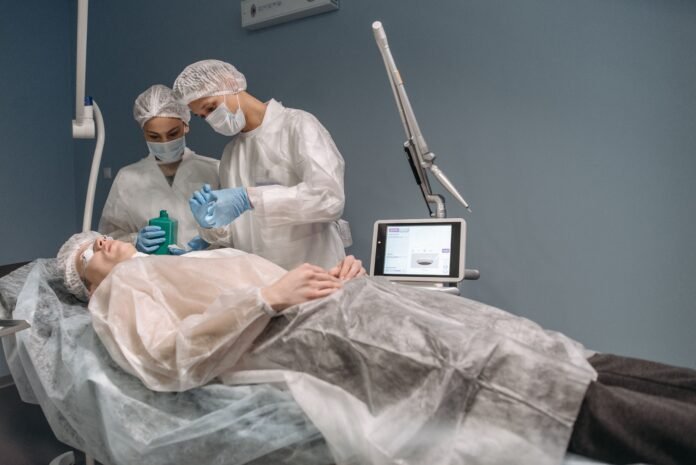

Considering cosmetic surgery can bring a mix of excitement, hope, and uncertainty. If you are exploring options in Atlanta, the range of practices and procedures can make it difficult to know where to begin. National figures show how common aesthetic care has become: the American Society of Plastic Surgeons reported nearly 1.6 million cosmetic surgical procedures performed by its members in 2024, alongside more than 28 million minimally invasive procedures. Popularity, however, should never replace careful research. Before making a decision, understand the risks, recovery demands, costs, and realistic limits of the procedure you are considering.
Start With Your Goals, Not the Before-and-After Photos
Instead, begin by identifying what you hope to change and why. Are you looking for a subtle adjustment, relief from a physical concern, or a change that has occupied your thoughts for years?
Clear goals help you discuss your expectations with a qualified professional. Surgery cannot guarantee confidence, resolve every insecurity, or reproduce another person’s features. A responsible plan should be based on your anatomy, health, and priorities—not pressure from trends or other people.
If you’re looking for professional advice on plastic surgery Atlanta has plenty of qualified specialists to consider. However, choosing the right surgeon involves more than comparing websites and promotional photos. Look for appropriate credentials, experience with your specific procedure, accredited surgical facilities, and reliable follow-up care. Ask who will perform the operation, who will administer anesthesia, where the procedure will take place, and how complications would be handled. A trustworthy professional should answer your questions clearly and give you time to make an informed decision without pressuring you to book.
Look Beyond Credentials to Relevant Experience
Board certification and appropriate training are essential starting points, but it is also important to ask about experience with the exact procedure you want. Cosmetic surgery includes many different techniques, and a surgeon’s expertise in one area does not automatically mean the same depth of experience in another.
Review examples of results involving patients with similar features or concerns. A good professional should be comfortable explaining both the benefits and the limitations.
You should also confirm that surgery will take place in an appropriately accredited or licensed facility. Ask who is responsible for anesthesia and what emergency arrangements are available.
A Consultation Should Bring Clarity
A consultation is a two-way conversation, not a sales presentation. The surgeon should review your medical history, medications, allergies, nicotine use, previous procedures, and relevant health concerns. Be honest about these details, because they can affect your suitability for surgery and your recovery.
No operation is risk-free, and promises of perfection, guaranteed results, or healing without visible scars deserve caution.
For a helpful overview of questions to raise during an appointment, read the American Society of Plastic Surgeons’ guide to questions to ask your plastic surgeon.
Plan for Recovery Before You Schedule
Many people spend more time imagining surgery day than preparing for the weeks that follow. Recovery varies by procedure and individual health, so ask for a timeline specific to your circumstances. Swelling, bruising, soreness, fatigue, temporary changes in sensation, and activity restrictions may occur even when healing is uncomplicated.
Find out how much time you may need away from work, when you can drive, when exercise can resume, and whether you will need help at home. Arrange transportation after anesthesia and ask whether someone should stay with you during the initial recovery period.
Follow your care team’s instructions about medication, wound care, bathing, movement, and activity. Ask whom to contact after hours, and learn which symptoms require urgent medical attention.
Understand the Full Cost of Care
A quoted surgeon’s fee may not represent the total expense. The final cost can include anesthesia, facility charges, laboratory tests, prescriptions, compression garments, follow-up appointments, and time away from work. Ask for an itemized estimate and clarify what happens financially if your recovery takes longer than expected or additional treatment is needed.
If a quote seems unusually low, ask what it includes and whether the facility and anesthesia arrangements meet appropriate standards. Avoid making a rushed decision because a promotion is about to expire.
Use Online Content With Care
Social platforms can introduce you to procedures and help you learn terminology, but short videos rarely show the full experience. Before-and-after images are most useful when presented consistently and discussed in context.
A practical guide to preparing for cosmetic surgery and recovery is available from Cleveland Clinic. Use educational resources to develop questions, then confirm advice with your own qualified medical team.
Choose Results That Respect Your Features
Inspiration images can help explain your preferences, but they should begin a conversation rather than dictate a surgical plan. Your facial structure, skin quality, tissue, health, and healing patterns influence what is achievable. A thoughtful surgeon may recommend a more conservative change, a different procedure, or no surgery at all if the expected benefits do not justify the risks.
Ask how results may change with aging and what maintenance, if any, might be involved.
Give Yourself Time to Decide
Cosmetic surgery is a personal choice, and there is no need to make it on someone else’s timeline. Compare consultations, verify credentials, understand the risks, and think honestly about the recovery period.
The right decision should feel informed rather than pressured. Taking time before committing is not hesitation; it is part of protecting your health and giving yourself the best chance of a result you can feel good about before you commit.

