
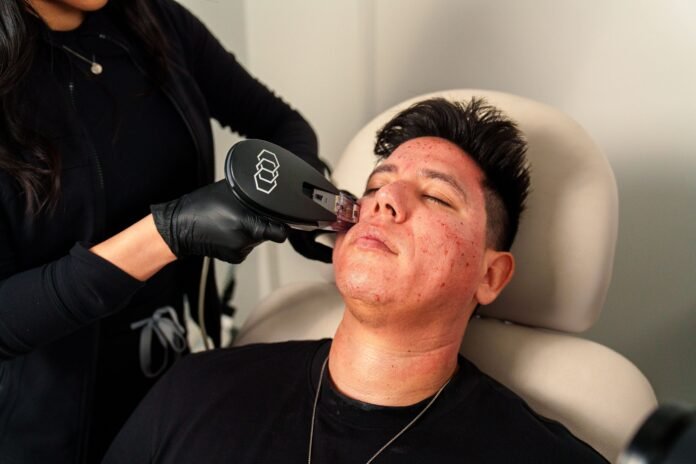

Cosmetic procedures can help improve skin appearance, address specific concerns, and support personal aesthetic goals. However, choosing a treatment without understanding your skin’s condition may lead to disappointing results or unnecessary complications. For individuals in Calabasas, professional skin assessments provide an important starting point before considering aesthetic procedures. These evaluations help identify skin concerns, determine suitable treatments, and establish realistic expectations. Understanding your skin’s needs before undergoing a procedure can help you make informed decisions and achieve results that complement your natural features.
Why a Professional Skin Assessment Should Come First
Every person’s skin has different characteristics, including texture, sensitivity, pigmentation, and moisture levels. A treatment that works well for one individual may not be appropriate for another. Professional assessments help identify these differences before selecting a cosmetic procedure.
During an evaluation, a qualified provider examines your skin, discusses your concerns, and reviews factors that may influence treatment suitability. This process helps determine whether a procedure is appropriate and what precautions may be necessary. Med spas offer a range of aesthetic treatments designed to address different skin concerns and improve overall appearance. Many facilities provide personalized consultations to help individuals understand their options and choose procedures suited to their skin type and cosmetic goals. If you’re considering going to a med spa Calabasas has several options that offer personalized aesthetic treatments designed to help clients address skin concerns, enhance their natural features, and achieve their cosmetic goals with professional guidance.
A thorough assessment also provides an opportunity to discuss previous procedures, skincare habits, and expected outcomes. This personalized approach helps ensure that treatment recommendations reflect your individual needs rather than following general beauty trends.
How Skin Assessments Identify Underlying Concerns
Some skin concerns are more complex than they initially appear. Redness, uneven pigmentation, dryness, and recurring breakouts may have different underlying causes that require specific approaches.
A professional assessment helps distinguish between cosmetic concerns and conditions that may need medical attention. Providers may examine skin texture, visible irritation, pigmentation patterns, and other characteristics before recommending treatment.
For example, pigmentation caused by sun exposure may require a different approach from discoloration associated with inflammation. Similarly, sensitive skin may respond differently to exfoliating treatments or certain skincare ingredients.
Identifying these distinctions can help avoid unsuitable procedures and unnecessary irritation. When concerns suggest an underlying medical condition, consultation with a dermatologist may be appropriate before proceeding with cosmetic treatment. Understanding the actual cause of a skin concern supports safer decisions and more targeted care.
Why Your Medical History Influences Treatment Choices
Your medical history plays an important role in determining which cosmetic procedures may be suitable. Certain medications, allergies, skin conditions, and previous treatments can influence how your skin responds.
During a consultation, providers should ask about prescription products, recent procedures, existing health conditions, and any history of unusual reactions. This information helps identify potential risks and determine whether additional precautions are necessary.
For example, some medications increase sensitivity to light, while certain skin treatments may require additional healing time before another procedure can be performed.
Being transparent about your medical history allows the provider to make more appropriate recommendations.
A detailed assessment also helps determine whether a procedure should be postponed or whether a medical specialist should evaluate your condition first. Sharing accurate information is an important part of protecting your skin and supporting better treatment outcomes.
How Skin Type Affects Cosmetic Treatment Results
Skin type influences how individuals respond to different aesthetic procedures. People with sensitive skin may require gentler approaches, while those prone to post-inflammatory pigmentation may need additional precautions with certain lasers or chemical treatments.
Skin tone is another important consideration. Professional assessments help providers recognize these factors and adjust treatment settings, techniques, or recommendations accordingly. Rather than selecting procedures based solely on popularity, individualized planning considers how your skin is likely to respond.
This approach can help reduce avoidable complications while supporting results that suit your skin’s characteristics and aesthetic goals.
How Personalized Treatment Plans Improve Cosmetic Results
Professional skin assessments provide the information needed to develop a treatment plan based on individual concerns and expectations. Instead of recommending the same procedure to every client, qualified providers can select approaches that address specific skin characteristics.
A personalized plan may involve choosing suitable procedures, determining treatment frequency, and recommending appropriate skincare products. Providers should also consider your lifestyle, budget, and ability to follow recovery instructions. Some concerns may require several appointments, while others respond to a single procedure. Understanding these differences helps establish realistic expectations.
Personalized planning also allows providers to adjust recommendations as your skin changes. Regular evaluations can help determine whether the original approach remains suitable or requires modification. Making decisions with accurate information helps protect your skin and supports a more comfortable treatment experience.
How Professional Guidance Helps Set Realistic Expectations
Cosmetic treatments can improve certain skin concerns, but results vary depending on individual characteristics, procedure selection, and the body’s response.
A professional consultation helps establish what a treatment can reasonably achieve. Providers should explain whether improvements are expected to be gradual, how many sessions may be needed, and whether maintenance appointments will be necessary. Before-and-after photographs can provide useful examples, but they cannot guarantee identical results for every individual.
Clear communication also helps prevent unnecessary procedures. Sometimes a simpler approach or an improved skincare routine may be more appropriate than an intensive cosmetic treatment. Understanding realistic outcomes allows you to choose procedures that support your goals without expecting immediate or permanent changes.
How Proper Aftercare Supports Long-Term Skin Health
A professional skin assessment also helps determine what care your skin may need after a cosmetic procedure. Recovery requirements differ depending on the treatment, your skin’s sensitivity, and the intensity of the procedure.
Your provider may recommend temporary adjustments to your skincare routine, specific moisturizing products, or additional sun protection. Following these instructions can help support healing and reduce unnecessary irritation.
Regular follow-up appointments allow professionals to evaluate your progress and identify concerns that may require attention. Long-term results also depend on consistent skincare habits. Gentle cleansing, appropriate hydration, and daily sun protection can help maintain skin health between appointments.
By combining professional assessment, suitable treatment, and consistent aftercare, you can make informed cosmetic decisions while supporting healthier skin over time.

