
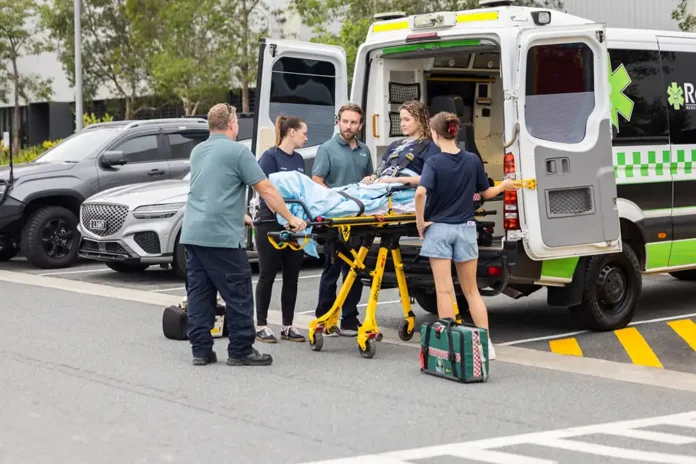

Relying solely on emergency services during a medical crisis is a dangerous gamble. Basic first aid and CPR training empowers everyday people to take immediate action. Discover why hands-on safety education is essential for your family and how modern learning methods make certification incredibly easy.
Have you ever frozen in a moment of panic? Most of us have. We naturally assume that when things go terribly wrong, professional help will just magically appear. But what happens if someone you love starts choking right in front of you? Waiting ten minutes for an ambulance feels like an absolute lifetime. That terrifying feeling of helplessness is exactly why booking Coast2Coast First Aid Courses London needs to be on your radar. You simply never know when your hands will be the only things standing between life and tragedy.
Why Do We Assume Emergencies Only Happen to Strangers?
We watch the news and detach ourselves from the reality of accidents. It’s a natural coping mechanism. But cardiac arrests, severe burns, and allergic reactions happen in our own kitchens and living rooms every single day.
The hard truth is that if you ever have to perform CPR, it will likely be on a family member, a close friend, or a coworker. You aren’t training to be a superhero for strangers. You are training to protect the people sitting across the dinner table from you.
How Does Immediate Intervention Change Outcomes?
When a person’s heart stops, the clock starts ticking immediately. Irreversible brain damage begins in just four to six minutes because oxygen is cut off.
Paramedics are incredible at their jobs. But they still have to deal with traffic jams, bad weather, and confusing apartment layouts. By the time they arrive, those critical first minutes are often gone.
- Manual pumping: CPR literally does the work of the heart, pushing residual oxygen to the brain.
- Clearing airways: Knowing how to properly perform back blows and abdominal thrusts stops choking before it leads to unconsciousness.
- Using technology: Applying an AED within the first few minutes drastically resets the heart’s rhythm and boosts survival odds.
Is the Training Actually Difficult to Pass?
Not at all. A lot of people put off certification because they think they aren’t smart enough or strong enough. They picture a grueling weekend locked in a stuffy classroom with a drill sergeant instructor.
Thankfully, safety education has completely changed. Modern training uses a blended learning model. You tackle the reading and theory online at your own pace, whenever you have free time. Then, you just show up for a short, hands-on session to practice chest compressions on mannequins. It fits right into a busy schedule without the old-school headaches.
If you are looking for first aid training near Richmond Row, Victoria Park, or other areas close to our downtown facility off Richmond Street, then you may reach out to Coast2Coast First Aid/CPR – London in that area. For more info, course schedules, and articles like this, visit: https://www.c2cfirstaidaquatics.com/
Frequently Asked Questions
What does Level C CPR actually mean? Level C is the most comprehensive level for the general public. It covers life-saving CPR and AED techniques for adults, children, and infants, making it the ideal choice for parents and standard workplace compliance.
Can I take the entire course online? No. While you can finish the theoretical portion online at your own pace, workplace safety boards require you to complete a hands-on, in-person skills session. An instructor needs to verify you can physically perform chest compressions and bandage wounds properly.
How often do I need to renew my certificate? A Canadian Red Cross Standard First Aid and CPR certification is valid for exactly three years from the date of issue. However, taking a quick refresher course every year is highly recommended to maintain your physical muscle memory.
Is an AED safe for a beginner to use? Yes, absolutely. Automated External Defibrillators are practically foolproof. They give loud step-by-step voice instructions and will automatically analyze the patient. The machine physically won’t let you deliver a shock unless the person’s heart actually needs one.
Will I be sued if I accidentally break a rib during CPR? No. Good Samaritan laws exist to protect everyday people who step in to help during an emergency. As long as you act voluntarily, without expecting financial compensation, and avoid gross negligence, the law protects you.

