
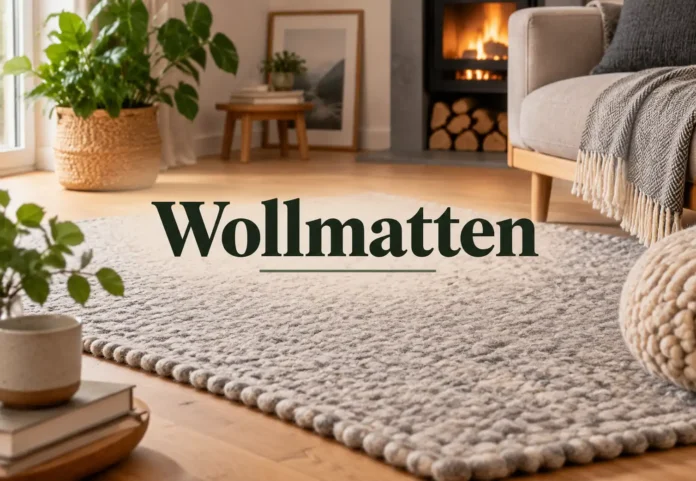

Wollmatten are wool mats made from natural wool fibres, usually sourced from sheep wool. The German term combines “Wolle,” meaning wool, and “Matten,” meaning mats. These products can include soft floor coverings, felt pads, garden mats, acoustic materials, insulation products, and craft surfaces. Unlike ordinary synthetic mats, wool-based options are valued for their natural texture, durability, moisture handling, and renewable composition.
The term does not describe one single product style. Depending on the manufacturing process and intended purpose, wool mats can feel soft and decorative or dense and functional. Some are designed for comfortable living spaces, while others are created for technical uses such as sound absorption or surface protection. Understanding the different forms helps buyers choose a product that matches their actual needs.
What Are Wollmatten and How Are They Made?
Wool mats are created by processing wool fibres into a stable, usable material. Manufacturers usually clean and prepare the wool before shaping it through methods such as felting, weaving, tufting, knotting, or needle punching. Each technique creates a different texture, strength level, and purpose.
Felted wool mats are made by compressing fibres through heat, moisture, pressure, or movement until they lock together. This creates a dense surface that works well for padding, protection, and garden applications. Needle-punched versions use mechanical processes to tangle fibres together, making them suitable for stronger technical uses.
Woven and tufted wool mats are commonly used as rugs and decorative floor coverings. These methods allow manufacturers to create different patterns, thicknesses, and designs. The final product may also include backing materials, stitching, or protective treatments, which can affect durability and biodegradability.
Types of Wool Mats and Their Common Uses
Different wool mat designs serve different purposes, so the best choice depends on where the material will be used. Some options focus on comfort and appearance, while others provide insulation, protection, or environmental benefits.
Floor Mats and Rugs
Wool floor mats are popular in bedrooms, living rooms, offices, and entryways because they provide warmth and softness. Wool fibres naturally recover their shape after pressure, which helps the surface maintain its appearance over time. They also add visual texture and can complement both traditional and modern interiors.
These mats are especially useful on hard flooring where people want extra comfort underfoot. Wool can help create a warmer feeling during colder months while also making rooms feel more balanced. However, buyers should select the right thickness and size based on the amount of foot traffic in the area.
Felted Wool Mats
Felted wool mats are dense, flat products often used for practical purposes. They can protect tables, shelves, furniture surfaces, and work areas from scratches or impact. Their firm structure also makes them useful for craft projects and protective layers.
Some people use felted versions as sewing or pressing surfaces because wool can handle heat better than many synthetic materials. The dense fibres provide stability and help keep fabrics in place during detailed work. These mats are usually chosen for function rather than decoration.
Wool Acoustic and Insulation Mats
Wool fibres contain natural air spaces that can slow heat movement and help absorb some sound energy. Because of this structure, specially designed wool products can be used for insulation and acoustic improvement. They are often found in studios, offices, home cinemas, and buildings where sound control matters.
A decorative wool rug should not be confused with a certified building insulation product. Technical insulation materials are designed and tested differently. Choosing the correct product for the application is important for safety and performance.
Garden Wool Mats
Garden wool mats are used around plants, trees, and garden beds as a natural alternative to some plastic-based coverings. They can help reduce weed growth, protect soil surfaces, and support moisture retention. As natural wool breaks down, it can return organic material to the soil.
The performance of garden mats depends on their material composition. Products containing synthetic fibres, coatings, or adhesives may not provide the same environmental advantages as pure wool versions. Checking the product details before purchase is essential.
Why Choose Wool Mats for Home and Lifestyle Spaces?
Wool mats offer a combination of comfort, durability, and natural performance that attracts many homeowners. Wool fibres can absorb moisture vapour from the air and release it again when conditions change. This helps create a more comfortable indoor environment, although wool is not waterproof.
Another advantage is resilience. Wool fibres have a natural elasticity that allows them to bend and recover instead of permanently flattening quickly. This makes quality wool mats suitable for spaces where people want a long-lasting floor covering.
Sustainability is another reason many buyers consider wool products. Wool is a renewable fibre, and pure wool materials can biodegrade under suitable conditions. However, the environmental impact depends on the full product composition, including dyes, backing materials, and treatments.
How to Choose the Right Wool Mat
Selecting the right mat starts with understanding where it will be used. A bedroom mat may prioritise softness and warmth, while an entryway product may need stronger construction and easier maintenance. Matching the material to the environment prevents choosing a product that looks attractive but does not perform well.
Check the fibre content before buying. A product labelled as wool may still include synthetic blends or additional materials. If natural performance and biodegradability are priorities, look for clear information about the percentage of wool used.
Size, thickness, and construction method also matter. Dense felted mats work well for protection and practical uses, while woven or tufted designs are often better for decorative interiors. The right choice depends on whether comfort, appearance, durability, or technical performance is the main goal.
Cleaning and Maintaining Wool Mats
Wool mats are generally durable, but regular care helps preserve their appearance. Vacuuming removes surface dust and prevents particles from settling deep into the fibres. Gentle cleaning methods are usually preferred because harsh chemicals can damage natural wool.
Avoid keeping wool mats wet for long periods because moisture can lead to unpleasant smells or fibre damage. Small spills should be handled quickly by blotting rather than rubbing the affected area. Following the manufacturer’s cleaning instructions is the safest approach.
Wool Mats Compared With Synthetic Alternatives
Synthetic mats are often cheaper and available in many colours and patterns, but they are made from manufactured fibres that may not offer the same natural qualities as wool. Wool provides softness, temperature regulation, and a different texture that many people prefer for indoor spaces.
The better choice depends on the purpose. Synthetic options may work well where low cost or heavy moisture resistance is the priority. Wool mats are often selected when buyers value natural materials, comfort, durability, and a more traditional material experience.
FAQs About Wollmatten
What does Wollmatten mean?
Wollmatten is a German term that means wool mats. It refers to different mats made from wool fibres, including rugs, felt products, garden coverings, and technical wool materials.
Are wool mats made from real wool?
Many wool mats are made from sheep wool, but not every product contains only wool. Buyers should check labels for blends, coatings, backing materials, and added fibres.
Can wool mats be used outdoors?
Some wool mats are designed for garden use and can support soil protection or weed control. Decorative indoor rugs are not suitable for prolonged outdoor exposure.
Are wool mats environmentally friendly?
Pure wool mats can be a sustainable choice because wool is renewable and biodegradable. The environmental impact depends on processing methods and any added materials.
How long do wool mats last?
A quality wool mat can last for many years when properly maintained. Durability depends on fibre quality, construction method, thickness, and the amount of daily use.
Can wool mats reduce noise?
Thicker wool materials can absorb some sound energy and reduce echo in rooms. They do not completely block sound but may improve acoustic comfort.
Are wool mats difficult to clean?
Wool mats are not usually difficult to maintain. Regular vacuuming and careful handling of spills help keep them clean without damaging the fibres.
Can wool mats replace plastic garden covers?
Some garden wool products can replace certain plastic coverings for weed control and soil protection. The suitability depends on the specific garden conditions and product design.

