
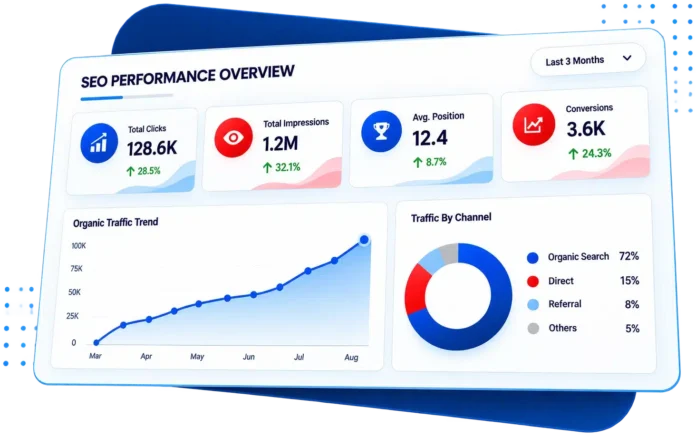

Building a strong online presence requires more than publishing content or maintaining an attractive website. Businesses need to reach the right audience, answer customer questions, and make it easy for potential buyers to discover their products or services. Working with an experienced SEO Company can help businesses develop a structured approach to search visibility, website performance, and customer acquisition. When these activities align with commercial goals, search optimisation becomes a practical investment in sustainable business growth rather than a short-term attempt to improve rankings.
Key Takeaways
|
- Improve Your Website’s Search Visibility
Customers often use search engines to research products, compare providers, and find solutions to everyday problems. If a business website does not appear for relevant searches, potential customers may discover competing businesses first.
A structured optimisation strategy considers keywords, content relevance, website structure, and technical performance. These elements work together to help search engines understand a website and help visitors find useful information.
Target Relevant Search Opportunities
Keyword research identifies the terms people use when looking for particular products or services. Businesses can use these findings to improve page titles, headings, service descriptions, and supporting content.
The goal is not to rank for every popular phrase. It is to focus on searches that match the business’s expertise, audience, and commercial priorities.
- Attract More Relevant Website Visitors
Higher traffic numbers do not automatically translate into better business results. A website may receive thousands of visits without generating meaningful enquiries if the visitors are not interested in its offerings. Attracting the right audience is therefore more valuable than pursuing traffic growth alone.
Match Content to Customer Intent
People search with different goals in mind. Some want basic information, while others are comparing alternatives or preparing to contact a provider.
Businesses can address these needs through practical guides, comparison pages, detailed service descriptions, and clear calls to action. Understanding search intent helps ensure visitors reach pages that answer their questions instead of encountering generic information.
- Strengthen Website Performance and Usability
A website must do more than appear in search results. Visitors should be able to navigate it comfortably, understand its content, and complete important actions without unnecessary obstacles. Technical problems can interfere with these activities and limit the value of other marketing efforts.
An optimisation review can identify issues involving page speed, mobile usability, broken links, indexing, and website structure. Addressing these problems creates a stronger foundation for both search visibility and user experience.
Identify and Resolve Technical Issues
Technical improvements should be prioritised according to their likely impact and the needs of the website. For example, fixing an important page that search engines cannot index may be more urgent than making a minor formatting adjustment.
Businesses should also test their websites across different devices. A consistent experience makes it easier for visitors to access information, navigate service pages, and submit enquiries.
- Create Content That Builds Trust
Useful content helps businesses demonstrate their knowledge and respond to the concerns customers have before making a decision. Rather than producing articles solely to include keywords, companies should focus on answering genuine questions with clear explanations and relevant examples. This approach supports both the reader’s experience and the website’s overall content quality.
An effective content strategy connects educational resources with the products or services a business provides. It also ensures that important pages offer information that is accurate, current, and easy to understand.
Answer Questions Customers Actually Ask
Customer enquiries, sales conversations, support requests, and search queries can all reveal useful content ideas. Businesses can use these insights to create articles, service guides, FAQs, and comparison resources.
Content should explain concepts clearly and avoid unsupported claims. Demonstrating relevant experience and providing practical information can help readers assess whether a business is suitable for their needs.
- Make Better Decisions Through Competitor Analysis
Understanding the competitive landscape helps businesses identify where they can differentiate themselves. Reviewing competing websites can reveal the topics they cover, the services they emphasise, and the information they provide to prospective customers. These findings can inform a more focused marketing strategy.
However, competitor analysis should not become an exercise in copying other websites. The objective is to identify relevant opportunities that match the business’s strengths and customer expectations.
Discover Gaps and Opportunities
A competitor may have strong visibility for general industry terms but offer limited information about a specialised service. Another may publish useful articles but provide confusing navigation or incomplete service details.
Businesses can use these observations to prioritise improvements such as:
- Developing content for underserved customer questions.
- Improving service pages with clearer explanations.
- Strengthening internal links between related pages.
- Creating more helpful resources for specific audiences.
These actions can help a website communicate its value more effectively while supporting a distinctive market position.
- Support More Efficient Marketing Investment
Marketing budgets need to support measurable business objectives. Without reliable performance information, companies may continue investing in activities that generate attention but contribute little to sales or qualified enquiries. Search optimisation provides data that can help decision-makers assess where improvements may be worthwhile.
A clear reporting process connects website activity with outcomes that matter to the business. This makes it easier to understand progress, identify weaknesses, and adjust priorities.
Measure What Matters to Your Business
The most useful metrics depend on the company’s goals and sales process. An online retailer may focus on purchases and revenue, while a service provider may prioritise qualified leads and consultation requests.
| Performance metric | What it helps measure |
| Organic traffic | Visits arriving from unpaid search results |
| Keyword visibility | Presence for relevant search queries |
| Conversion rate | Percentage of visitors completing a desired action |
| Qualified enquiries | Potential customers who meet business criteria |
| Customer acquisition cost | Cost associated with gaining a customer |
These indicators should be interpreted together rather than in isolation. A rise in traffic is encouraging, but its commercial value depends on visitor relevance, conversion behaviour, and the quality of resulting opportunities.
- Improve Ecommerce Product Discovery
Online stores often manage large inventories, competing product categories, and customers with very specific requirements. If product pages are difficult to find or contain limited information, shoppers may struggle to identify suitable items. Search optimisation can help retailers organise these pages and make product information easier to discover.
A focused strategy considers product descriptions, category pages, internal navigation, and the way shoppers search for particular items. These improvements can support a more convenient shopping journey.
Optimise Product and Category Pages
Product pages should explain important features, specifications, benefits, and relevant usage details. Category pages should help shoppers compare available options without creating unnecessary confusion.
Retailers looking to improve these areas can explore Ecommerce SEO services for approaches tailored to online stores. The right strategy should prioritise useful product information, clear navigation, and measurable improvements in shopping performance.
- Build a Sustainable Long-Term Strategy
Search visibility develops over time, and results can change as competitors, customer preferences, and search engine systems evolve. Businesses benefit from having a consistent process for reviewing performance and improving their websites. This reduces dependence on isolated campaigns or short-lived tactics.
Turn Insights Into Continuous Improvement
Regular reviews help businesses understand which activities are producing useful outcomes and where further work is needed. They can then allocate resources to the opportunities with the strongest connection to their objectives.
Businesses seeking a coordinated approach can explore Professional SEO services to understand how technical improvements, content optimisation, and performance monitoring can work together. Consistent evaluation helps keep the strategy aligned with changing customer needs.
Final Takeaway
Hiring the right optimisation partner can help businesses improve online visibility, attract relevant visitors, strengthen website usability, and make better-informed marketing decisions. The greatest value comes from connecting search performance with meaningful business outcomes rather than focusing exclusively on rankings or traffic.
For businesses looking to develop a more structured digital marketing approach, SEOCompany.me provides an opportunity to explore solutions suited to their online growth objectives. A clear strategy, helpful content, and ongoing measurement can create a stronger foundation for reaching potential customers.
Frequently Asked Questions
- Why should a business hire an SEO specialist?
An SEO specialist can help identify technical issues, research relevant search terms, and improve the quality and structure of website content. This expertise can save internal teams time and provide a clearer optimisation roadmap. The value depends on the provider’s approach, communication, and ability to connect recommendations with business objectives.
- How long does SEO take to produce results?
SEO is a long-term activity, and meaningful improvements may take several months to emerge. The timeline depends on competition, website condition, content quality, available resources, and the changes implemented.
- Can SEO help a small business compete with larger companies?
Yes, smaller businesses can focus on specialised services, relevant customer questions, and specific market segments instead of competing for every broad search term. Useful content and a well-organised website can help them reach suitable audiences. Results still depend on competition, resources, and the strength of the overall strategy.
- How can a business measure the success of SEO?
Businesses can monitor organic traffic, relevant keyword visibility, qualified enquiries, conversion rates, and revenue where reliable attribution is available. These metrics help show whether search activity is reaching the intended audience and contributing to business goals.
- What should businesses consider before choosing an SEO provider?
Businesses should examine the provider’s experience, proposed strategy, reporting methods, communication process, and understanding of their industry. They should also ask how progress will be measured and which activities are included in the engagement.
Explore SEO Solutions for Your Business
Explore the services offered by SEOCompany.me to learn how a structured search optimisation strategy can support your business’s online visibility and long-term growth.

