
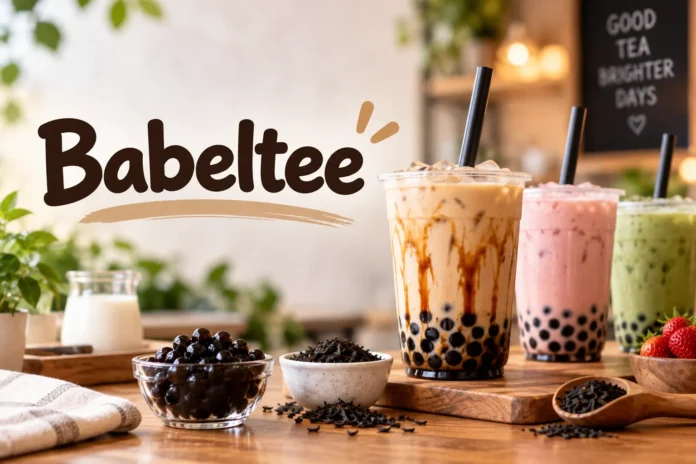

Babeltee is best understood as a loose online name for customizable tea-based drinks rather than a single traditional recipe or established beverage category. Current English-language pages usually connect it with brewed tea, fruit, herbs, milk, sweeteners, and optional toppings, while some searchers may simply be looking for bubble tea because the words are similar. The useful takeaway is simple: the term describes a flexible tea idea whose final meaning depends on the ingredients and context.
That flexibility explains its appeal across food, lifestyle, and café content. Instead of requiring one base, topping, or serving style, it can cover fruit teas, milk teas, matcha drinks, herbal infusions, and boba-inspired combinations. When trying it at home or ordering something with this label, the ingredient description matters more than the name itself.
What Babeltee Means in Current Tea Culture
There is no widely documented creator, original café, protected formula, or historical tea tradition attached to Babeltee in the current results. Several recent pages describe it as an emerging online tea concept, and they emphasize personalization rather than a fixed recipe. That makes it more accurate to treat the word as a modern descriptive label than as a standardized drink.
The broader idea is familiar because people have long combined tea with milk, fruit, herbs, spices, and sweeteners. What feels newer is the packaging of that flexibility under one searchable term and its overlap with café habits such as choosing sweetness, ice, milk type, and toppings. The concept therefore feels familiar even though the label itself has no settled culinary definition.
What Goes Into a Custom Tea Drink?
A Babeltee-style drink normally starts with a tea base and one or two supporting flavors. Traditional tea options include black, green, white, oolong, jasmine, and matcha, while herbal infusions such as peppermint, hibiscus, chamomile, or rooibos create different flavor and caffeine profiles. Black, green, white, and oolong teas come from Camellia sinensis, whereas herbal infusions come from other plants.
| Component | Useful choices | What it changes |
| Tea base | Black, green, oolong, matcha, herbal infusion | Strength, aroma, caffeine |
| Fruit | Peach, mango, strawberry, citrus, berries | Sweetness, acidity, color |
| Herbs and spices | Mint, ginger, cinnamon, cardamom | Freshness, warmth, aroma |
| Creaminess | Dairy, oat, soy, almond, coconut milk | Texture and richness |
| Texture | Tapioca pearls, jelly, popping pearls, chia | Chew, pop, thickness |
The best approach is to keep the tea noticeable instead of burying it under too many additions. Bold black tea can handle milk or richer sweeteners, while green or white tea often suits lighter fruit and herbs. Matcha suits creamy combinations, and tart herbal bases such as hibiscus pair naturally with berries or citrus.
Babeltee vs. Bubble Tea: What Is the Difference?
Bubble tea has a documented connection to Taiwan and developed there in the 1980s, although accounts differ on the precise shop or inventor responsible for the first version. It became known for tea drinks that may include milk or fruit flavors and chewy tapioca pearls, with modern shops offering many variations. Smithsonian describes bubble tea as a Taiwanese original and identifies Taichung as an important part of its early story.
Babeltee has a much looser identity in current search results. It can overlap with bubble tea when milk, fruit flavors, or boba are added, but tapioca pearls are not required and a simple iced tea with fruit and mint can fit the flexible idea. Bubble tea is an established beverage category, while this newer term works more like an open-ended customization concept.
| Question | Babeltee concept | Bubble tea |
| Fixed identity | No widely accepted standard | Established beverage category |
| Boba required | No | Common, but not universal |
| Typical base | Tea or herbal infusion | Tea, often with milk or fruit |
| Customization | Central | Also common |
| Documented origin | Not clearly established | Taiwan, 1980s |
How to Make Babeltee at Home
Start with one tea you already enjoy, brew it according to the package directions, and decide whether the drink should be hot, chilled, fruity, or creamy. Add one main flavor such as peach, mango, lemon, strawberry, ginger, or vanilla, then choose one supporting element such as mint, milk, or a little sweetener. Taste after each addition so you can correct the balance before the drink becomes overly sweet or complicated.
For a light version, try green tea with peach and mint, or hibiscus with berries and orange. For something richer, black tea with milk and a little brown sugar creates a familiar milk-tea profile, while matcha with oat milk and vanilla gives a creamier result. If you want boba-style texture, cook tapioca pearls according to their package instructions and add them just before serving.
Nutrition, Caffeine, and Dietary Flexibility
The nutritional profile of Babeltee depends on what goes into the glass, so the name itself does not guarantee a healthy or unhealthy drink. Plain tea contains polyphenols, and traditional tea also contains caffeine, while many herbal infusions are naturally caffeine-free. Harvard’s Nutrition Source notes that tea types vary in caffeine and polyphenol composition, so anyone limiting caffeine should pay attention to the specific base and serving size.
Sugar and toppings can change the drink more dramatically than the tea base. A lightly sweetened fruit tea differs from a large milk tea made with syrup, sweetened creamer, and tapioca pearls, so portion size and ingredients matter. People with allergies or dietary restrictions should check milk, toppings, syrups, and blended tea products rather than assuming a fruit-colored drink is automatically suitable.
How to Order It Without Guessing
If a café or event uses the Babeltee name, read the menu description before assuming what will arrive. Ask about the tea base, milk type, sweetness, caffeine, fruit flavor, and toppings, especially when you have allergies or dietary preferences. Those details tell you more than the label because there is no universal recipe behind it.
A simple strategy is to choose a familiar base and change only one or two variables. Start with jasmine and peach, black tea and milk, or hibiscus and berries before adding several syrups or toppings. This makes it easier to learn which combinations you enjoy and lets the tea remain part of the drink.
Conclusion
Babeltee makes the most sense as a flexible modern tea concept built around personal choice rather than one official formula. Its overlap with bubble tea explains some search interest, but broader usage now includes fruit tea, milk tea, matcha, herbal infusions, and optional boba-style toppings. The best way to try it is to start with a good tea base, add a few complementary ingredients, control the sweetness, and judge the result by taste rather than the trend label.
Frequently Asked Questions
What is Babeltee?
Babeltee is an informal online term commonly used for customizable tea-based drinks. It does not currently have one universally accepted recipe, ingredient list, or traditional origin. Depending on context, it may refer to fruit tea, milk tea, matcha, an herbal infusion, or a boba-inspired drink.
Is Babeltee the same as bubble tea?
No, the terms should not be treated as exact synonyms. Bubble tea is an established Taiwanese beverage category, while the newer term has a broader and less standardized meaning. The two can overlap when a customized tea contains milk, fruit flavor, tapioca pearls, or other bubble-tea-style toppings.
Does it always contain boba?
No, boba is optional. Tapioca pearls can add the chewy texture associated with bubble tea, but fruit tea or an herbal drink can fit the concept without any topping. If texture matters to you, check the menu or recipe rather than relying on the name.
Can I make it without milk?
Yes, milk is not required. Green tea with citrus and mint, oolong with peach, or hibiscus with berries can all work as clear drinks. Leaving out milk can also keep lighter tea aromas and fruit flavors more noticeable.
Can I make it without added sugar?
Yes, the drink can be served unsweetened or lightly sweetened. Ripe fruit may provide enough sweetness for some combinations, while honey, sugar, or syrup can be added gradually when needed. Starting with less sweetener gives you more control over the final balance.
Does Babeltee contain caffeine?
It can, depending on the base. Black, green, white, oolong, jasmine, and matcha normally contain caffeine, while many herbal infusions such as peppermint or chamomile are naturally caffeine-free. Check packaged blends because some products combine herbs with traditional tea leaves.
What tea base is easiest for beginners?
Green tea and black tea are practical starting points because they pair with many common ingredients. Green tea works with peach, mango, citrus, or mint, while black tea handles milk, berries, apple, vanilla, and warmer spices. Keep the first combination simple so you can tell what each ingredient contributes.
Is Babeltee an official tea brand?
Current search results do not establish one universal beverage brand or product that defines the term for everyone. The same word appears in different online contexts, so a specific seller may still use it as a product or business name. When evaluating a commercial use, rely on that seller’s own ingredient list and product information rather than assuming a single global definition.