
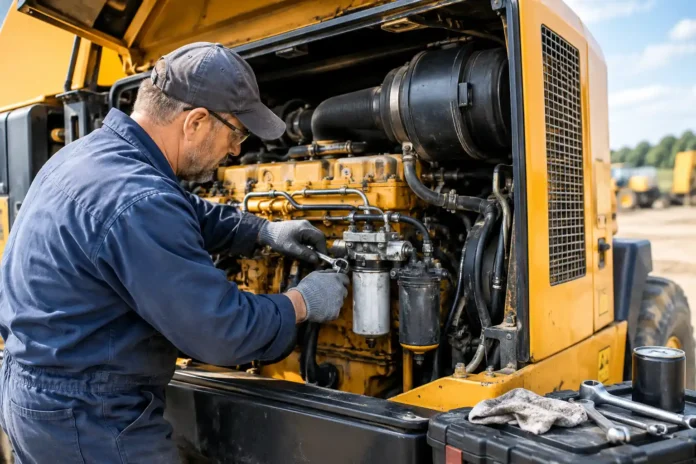

Older diesel trucks, generators, agricultural machines, construction equipment, and marine engines can continue to earn their keep when maintenance decisions are based on condition rather than age alone. Whether a fleet relies on a mechanical workhorse or a Cummins N14 engine, the objective is the same: protect reliability, control repair costs, and avoid preventable downtime.
A practical plan starts with inspection, documentation, and realistic expectations. An older machine may be inexpensive to own but costly to operate if it burns excessive fuel, needs frequent emergency repairs, or cannot meet the rules that apply where it works.
Why Older Diesel Equipment Still Matters
Well-maintained older equipment remains valuable because operators understand its controls, technicians often know its common failure points, and many parts can still be sourced through dealers, rebuilders, and specialty suppliers. Its purchase price, however, is only one part of the ownership decision. Fuel use, repair frequency, operator safety, parts lead times, and lost production all affect total operating cost.
Some regions also encourage retirement or replacement of higher-emitting equipment. For example, the replacement of older heavy-duty diesel equipment can be supported through local incentive programs, making it worthwhile to investigate available assistance before committing to a major repair or purchase.
Start With A Condition Check
Before authorizing expensive work, establish what is actually wrong. Gather service records, oil-change dates, repair invoices, operating hours, and reports from regular operators. Then inspect cold-start performance, idle quality, exhaust appearance, oil pressure, coolant temperature, fluid levels, and visible leaks.
Look closely at hoses, belts, clamps, mounts, wiring, battery cables, electrical grounds, intake plumbing, and fuel lines. If symptoms point to internal wear, a qualified technician can use appropriate tests, such as compression testing, crankcase pressure checks, cooling-system pressure testing, or oil analysis, to narrow the diagnosis. Avoid treating a single symptom as proof of one failed part.
Build A Maintenance Baseline
When history is incomplete, create a baseline that makes later changes easier to spot. Begin by recording oil pressure and normal operating temperature, noting every leak, and photographing questionable wiring or plumbing before repairs begin.
- Check fluid levels and condition, then correct obvious leaks.
- Replace engine oil, coolant, and filters when their service history cannot be confirmed.
- Record mileage or hours, load conditions, and recurring operator concerns.
- Label electrical connections and document nonstandard components.
- Set intervals using the manufacturer’s guidance and the machine’s actual duty cycle.
Watch For Early Failure Signs
Behavioral changes deserve attention before they become a roadside failure or a missed workday. Rising oil consumption can result from leaks, wear, or operating conditions. Hard starting can involve batteries, cable connections, fuel supply, injection components, timing, or compression. Blue, white, and black exhaust smoke can each have several causes related to oil, fuel, air, or temperature.
Low oil pressure, repeated overheating, new vibration, unusual knocking, or a sudden loss of power should be investigated promptly. Continuing to run an engine with an unresolved lubrication or cooling problem can turn a repairable issue into extensive internal damage.
Choose The Right Repair Path
The appropriate repair method for machinery hinges on its condition and intended use. A targeted repair is suitable for isolated faults in otherwise healthy engines. An in-frame overhaul is suitable for cases of internal wear where the main components are still functional. A complete rebuild is ideal when multiple systems have failed. Engine replacement is advisable when severe core damage exists, parts are scarce, or minimizing downtime is critical. Decisions should consider expected service life, labor, warranty, machine value, available support, and potential production loss costs.
Manage Emissions And Local Rules
Requirements vary by jurisdiction and by whether equipment is on-road, off-road, stationary, agricultural, or marine. Confirm applicable rules with the relevant state or local authority before modifying equipment, moving it to another area, or investing in a retrofit. Do not remove, bypass, or tamper with emissions-control components that are required for the engine or application.
Cleaner engine technology and fleet turnover have helped reduce diesel-related pollution. California research on reductions in diesel emissions also illustrates why maintenance, compliance records, and replacement planning are connected. Keep invoices, inspection results, approved modification documents, and emissions-related repair records organized.
Protect The Cooling And Fuel Systems
A sound engine can still fail if cooling or fuel delivery is neglected. Keep radiator fins free of dirt and debris; inspect for internal restrictions when overheating persists; test the coolant condition; and examine the thermostat, fan drive, water pump, hoses, and clamps. Replace damaged fuel lines and return hoses, drain water separators as required, and use filters that meet the engine manufacturer’s specifications.
Create A Parts And Downtime Plan
Planning reduces the disruption of predictable failures. Stock only the items most likely to quickly stop work, such as filters, belts, common hoses, fuses, clamps, gaskets, and selected sensors. Identify dependable technicians and machine shops before an emergency, and confirm whether critical parts are new, rebuilt, remanufactured, or used. Schedule larger projects during slower periods whenever possible.
Use A Simple Service Checklist
Daily Checks
- Check engine oil, coolant, leaks, warning lights, gauges, belts, hoses, wiring, smoke, noise, and vibration.
Weekly Checks
- Inspect battery terminals, air-intake restriction, cooling-system cleanliness, fuel-water separator, mounts, brackets, and fasteners.
Monthly Checks
- Review service records, temperature and oil-pressure trends, exhaust condition, driveline concerns, and upcoming parts needs.
Know When Replacement Makes More Sense
Replacement is not automatically the right answer, but repeated failures can make it the sensible one. Compare the repair estimate with the current machine value, expected downtime, fuel use, safety needs, emissions obligations, and the condition of the transmission, chassis, cooling system, and accessories. A disciplined comparison will show whether the next dollar should go toward repair, overhaul, repower, or replacement.