
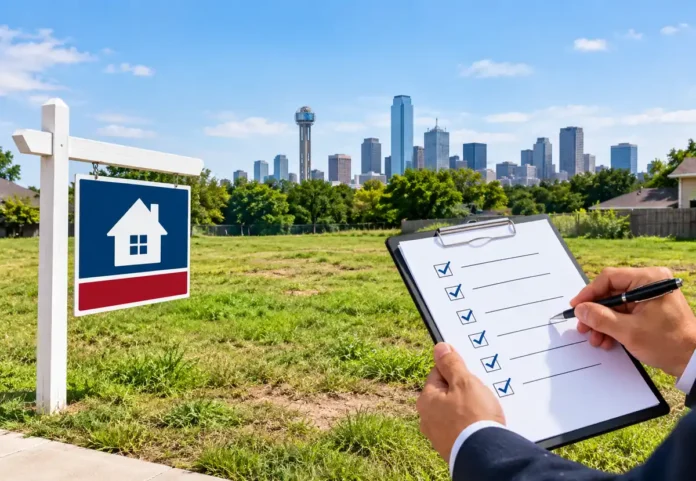

Selling a vacant parcel can feel less straightforward than selling a home because buyers cannot walk through finished rooms or judge recent upgrades. Instead, they are buying potential. Owners who want to sell my lot fast in Richardson, TX, should begin by making the property facts easy to verify.
A small infill lot, for example, might interest a nearby homeowner, a local builder, or a buyer planning a future residence. Each prospect may value the parcel differently, but all will want clear answers about what the land is, where its boundaries lie, and what can realistically be done with it.
Why Selling Vacant Land Takes a Different Approach
Land does not have the same visual selling points as a house. Its value often depends on legal access, street frontage, utility availability, zoning, drainage, topography, neighborhood activity, and the cost of preparing the site. A useful listing focuses on these practical details instead of making broad promises.
While Richardson parcels often attract buyers with a specific project in mind, some owners also compare options outside city markets. Sellers reviewing broader choices may decide to sell rural land in Texas through a different approach because acreage, roads, wells, septic systems, and agricultural considerations can change the buyer pool.
Step 1: Gather the Property Records
Collect documents before setting a price or accepting inquiries. Missing paperwork can slow title work and make otherwise interested buyers hesitate.
- Current deed and legal description
- Parcel, account, or appraisal district number
- Recent property tax statement
- Survey, recorded plat, or subdivision map
- Information about loans, liens, judgments, or unpaid assessments
- Easement, access, and right-of-way documents
- Utility records, service letters, permits, drainage reports, or prior development materials
Step 2: Confirm Zoning and Possible Land Uses
The asking price should reflect what the parcel may legally support, not simply its square footage or acreage. Review the zoning classification, setbacks, lot coverage rules, parking requirements, overlays, deed restrictions, and permitted uses. Richardson property owners can review local development and zoning materials before discussing a potential project with buyers.
A zoning designation is important, but it does not guarantee that a particular home, business, subdivision, variance, or site plan will be approved. State known facts accurately and encourage buyers to conduct their own feasibility review.
Step 3: Check Access, Utilities, and Site Conditions
Raw size alone does not determine usefulness. A smaller lot with public road access and available water, sewer, electric, and gas may be more attractive than a larger site with expensive obstacles.
- Confirm legal and physical access, road frontage, and driveway possibilities.
- Identify known utility lines, service availability, or connection costs.
- Disclose drainage patterns, flood concerns, slopes, trees, brush, debris, or visible site conditions.
- Note nearby homes, commercial uses, roads, construction, and other features that may affect a buyer’s plan.
Step 4: Set a Defensible Asking Price
Price land using completed comparable sales whenever possible, then adjust for location, dimensions, frontage, access, zoning, utility access, and limitations. Current listings can show competing inventory, but they do not prove what buyers have actually paid.
An inflated price can reduce early interest and lengthen the marketing period. If the parcel has unusual restrictions, a possible assemblage opportunity, or meaningful development potential, consider a land-focused valuation from a qualified local professional.
Step 5: Pick the Right Selling Route
- List with an agent: An agent may provide marketing, pricing input, buyer screening, and contract support.
- Sell by owner: This provides more control but requires the owner to handle calls, showings, negotiations, contracts, and document coordination.
- Use an auction: An auction can create urgency and a deadline, although results depend on the terms and buyer turnout.
- Offer seller financing: This may expand the buyer pool, but payment terms, security, default provisions, and servicing should be reviewed carefully.
- Consider a direct sale: A direct offer may shorten marketing time, but compare the price and all terms with available alternatives.
Step 6: Create a Listing That Answers Buyer Questions
Use a direct headline that identifies the Richardson location, lot size, and likely use. Add recent photos from the street, lot corners, adjoining roads, and notable site features. Include a map, parcel number, legal description, boundary information, taxes, known utilities, access details, restrictions, and any available survey.
Avoid unsupported phrases such as “buildable” or “ready for construction.” A candid description of both strengths and limitations helps qualified buyers assess the opportunity faster.
Step 7: Screen Buyers and Review Offers
The highest price is not always the strongest offer. Review proof of funds or financing plans, earnest money, deposit deadlines, closing date, due diligence period, title objections, inspection rights, feasibility contingencies, assignment language, and responsibility for closing costs.
Step 8: Prepare for Closing
Choose a reputable title company or qualified closing professional early. Allow time for title research, lien releases, payoff statements, ownership questions, survey needs, and document review. Before signing, confirm tax and assessment prorations, review the deed and settlement statement, and retain copies of every signed document and payment record.
Common Questions About Selling Richardson Land
Can an Owner Sell Land Without Making Repairs?
Usually, yes. Vacant land does not require home-style repairs, but trash, overgrowth, unsafe conditions, unclear boundaries, and blocked access can hurt buyer interest.
Does a Survey Help Sell Vacant Land?
A survey can clarify boundaries, easements, encroachments, and potential disputes. Whether a new survey is needed depends on the existing records, buyer, lender, title company, and property condition.
Should the Owner Accept the First Offer?
Compare the full offer, not just the headline price. A slightly lower offer with verified funds, limited contingencies, and a dependable closing date may be more practical than a higher but uncertain proposal.
What Taxes Should Be Reviewed?
Ask a tax professional about capital gains, inherited property, investment land, installment sales, and any special valuation or rollback issues. Tax outcomes depend on the owner’s specific circumstances.
Final Checklist Before Signing
- Ownership records and legal descriptions are complete and accurate.
- Access, easements, zoning, utilities, and site limitations are disclosed.
- The offer has been compared with other realistic options.
- Contingencies, deadlines, closing costs, and tax responsibilities are understood.
- The final deed and settlement documents have been reviewed before signing.
Conclusion
Selling vacant land in Richardson can become more manageable when the facts are organized from the start. Gather records, confirm local rules, evaluate site conditions, price from credible comparisons, and review every offer term carefully. Good preparation cannot guarantee a specific price or closing date, but it can reduce surprises and help serious buyers make informed decisions in 2026.