
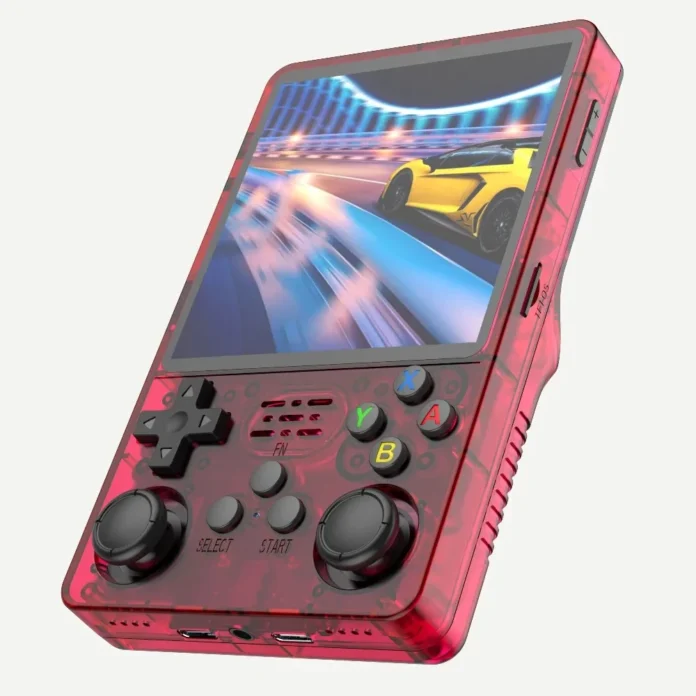

Across the United States, a quiet shift is happening in how people play. While big-budget consoles and high-end PCs still dominate the headlines, a growing crowd of players is reaching for small, affordable devices built around classic games, and brands like R36 Handhelds are part of the reason this category keeps gaining attention.
The trend is not limited to collectors. Parents are introducing their kids to the games they grew up with, college students are looking for cheap entertainment between classes, and busy professionals want quick sessions during a commute. Retro handhelds fit all of these lifestyles because they are light, simple, and ready to play in seconds.
Nostalgia Meets Modern Convenience
Many American gamers grew up with cartridges, arcade cabinets, and bulky television sets. Those memories are powerful, but nobody wants to dig out old hardware and untangle cables anymore. Modern handhelds solve that problem. Devices in the R36 Series style pack a bright screen, comfortable controls, and a rechargeable battery into a body that slips into a jacket pocket, so the classics can travel wherever you go.
Portability changes how people game. Instead of setting aside an entire evening in front of a television, players can squeeze in a few levels while waiting for a flight, sitting in a coffee shop, or relaxing on the couch while the rest of the family watches a show.
Why Price Matters
Gaming can be an expensive hobby. New consoles, premium controllers, and full-price releases add up quickly. Retro handhelds offer a very different value proposition. For a fraction of the cost of a modern console, players get access to a huge range of classic gameplay. That affordability is a major reason the category has spread so quickly across American households.
It also makes handhelds a great gift. They are easy to set up, simple to understand, and appealing to people of all ages, from teenagers discovering pixel art for the first time to adults revisiting their favorite adventures.
Simple Design, Big Fun
Classic games were built for immediate enjoyment. Levels were short, controls were tight, and difficulty was fair but challenging. This design philosophy suits handheld play perfectly. A quick platformer stage or a round of an arcade-style shooter can be enjoyed in ten minutes, which is ideal for people with limited free time.
Modern handhelds also improve on the original experience in small but meaningful ways. Sharper screens make pixel art look crisp, rechargeable batteries remove the need for constant replacements, and features like save states let players pick up exactly where they left off.
Community and Customization
Another reason for the boom is the passionate community around these devices. Online forums, video channels, and social groups are full of players sharing setup tips, interface themes, and game recommendations. New owners rarely feel lost because someone has almost always solved the same problem before.
Many handhelds run open, flexible software, which gives users the freedom to personalize menus, organize libraries, and adjust settings to their taste. This sense of ownership is something traditional consoles rarely provide.
Playing the Right Way
As the hobby grows, it is important to respect the developers and publishers behind the games. Players should use legally obtained software, such as backups of games they personally own, and support official re-releases and collections whenever they can. Responsible play helps keep classic titles alive and encourages more companies to preserve their back catalogs.
What Comes Next
Retro handhelds are unlikely to fade anytime soon. Hardware keeps improving, prices remain accessible, and interest in gaming history continues to rise. For American players who want fun, portability, and value in one package, retro handhelds are hard to beat. Whether you are a lifelong gamer or simply curious, this is one of the easiest and most rewarding ways to enjoy the classics again.