
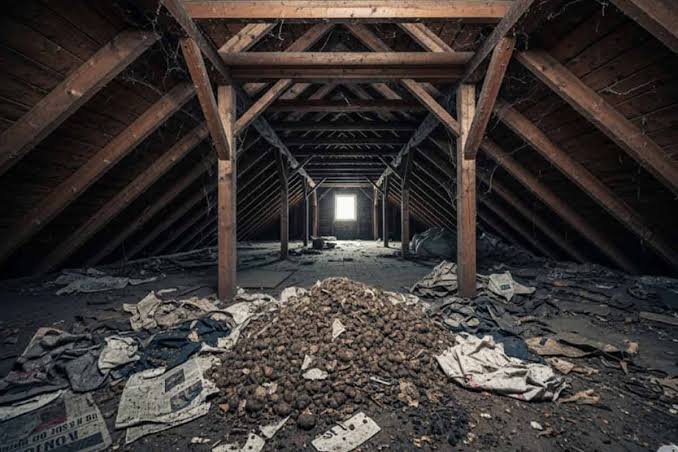

Nightfall brings a different kind of quiet to most homes. But if you’ve been hearing scratching, fluttering, or high-pitched squeaking coming from your ceiling once the sun goes down, that silence has already been broken. Bats are creatures of habit, and once they find a cozy, dark space to roost, they tend to stick around. Attics, chimneys, and wall voids offer exactly the kind of shelter they’re looking for.
While bats play a valuable role in our ecosystem by controlling insect populations, they don’t belong inside your home. Their droppings, known as guano, can pile up quickly and create serious health hazards. Left unaddressed, a small roosting colony can turn into a much larger problem, one that’s harder and more expensive to resolve the longer it’s ignored.
This post walks through why bats choose homes as their roosting sites, the risks they carry with them, and why acting quickly makes all the difference for your family’s safety and your property’s condition.
Why Do Bats Choose Homes as Roosting Sites?
Bats aren’t picky about aesthetics, but they are particular about temperature, darkness, and protection from predators. Attics check every box. They’re warm, secluded, and often have small gaps or vents that provide easy entry points.
Older homes are especially vulnerable. Gaps around rooflines, damaged soffits, and uncapped chimneys create the perfect invitation. Once a single bat finds a way in, it often signals to others that the space is safe, and colonies can grow surprisingly fast during the warmer months.
How Many Bats Typically Roost Together?
Colony sizes vary depending on the species, but it’s common for dozens, sometimes hundreds, of bats to occupy a single roosting site. Female bats often form maternity colonies in spring and summer, which means a small problem in April could multiply significantly by July.
What Risks Come With a Bat Infestation?
The presence of bats inside a home isn’t just an inconvenience. It’s a genuine health and safety concern that deserves prompt attention.
- Respiratory hazards: Guano can harbor a fungus that leads to histoplasmosis, a lung infection that spreads through inhaled spores.
- Structural damage: Accumulated droppings and urine can corrode wood, insulation, and drywall over time.
- Odor issues: Large colonies leave behind a strong, persistent smell that’s difficult to eliminate without proper cleanup.
- Rabies concerns: While rare, bats can carry rabies, making direct contact something to avoid entirely.
None of these risks improve on their own. The longer bats stay, the more waste accumulates, and the more damage builds beneath the surface where it’s hard to see.
Signs You Might Have a Bat Problem
Bats are most active at dusk and dawn, so timing matters when it comes to spotting the signs. Homeowners often notice one or more of the following before they realize what’s causing it:
- Scratching or fluttering sounds in the walls or ceiling at night
- A musty, ammonia-like odor coming from the attic
- Small dark droppings near entry points or on window sills
- Grease marks or stains around exterior gaps where bats squeeze through
- Bats seen flying near the roofline at twilight
Catching these clues early can prevent a manageable situation from becoming an overwhelming one.
Why DIY Bat Removal Rarely Works
It’s tempting to try to handle the situation with a quick trip to the hardware store, but bat removal isn’t as simple as sealing an entry point and calling it done. Bats are protected under wildlife regulations in many states, and improper handling can lead to fines or unintended harm to the animals. Sealing an entrance while bats are still inside can also trap them, leading to worse odor problems and additional structural damage.
There’s also the matter of exclusion timing. Removing bats during maternity season can separate mothers from flightless pups, creating a cycle that’s both inhumane and difficult to resolve. Professionals understand these seasonal patterns and know how to remove bats safely and legally, without leaving stragglers behind.
Why Choose a Professional Wildlife Service?
Bat Removal that protects your home from long-term damage starts with getting the roosting colony removed correctly the first time, and that’s where Palm Beach Wildlife Services comes in. Our team specializes in humane, effective removal strategies that address the entire problem, not just the visible symptoms.
We start with a full inspection to identify every entry point, roosting area, and sign of damage. From there, we install one-way exclusion devices that let bats leave to feed at night but prevent them from returning. Once the colony has fully vacated, we seal entry points permanently and offer cleanup services to remove guano and sanitize affected areas.
What sets our approach apart is the attention to detail after the bats are gone. Structural repairs, insulation replacement, and odor treatment are just as important as the initial removal. Skipping these steps often leads to repeat infestations or lingering health concerns.
Our technicians are trained to work efficiently and respectfully, minimizing disruption to your daily routine while making sure the job is done right. We also stay current on state wildlife regulations, so every step of the process is handled legally and humanely.
Peace of Mind Starts With the Right Call
A bat problem tends to get worse the longer it’s left alone, but it doesn’t have to stay that way. With the right team on your side, what feels like an overwhelming situation can become a straightforward fix. Palm Beach Wildlife Services has helped countless homeowners reclaim their attics, restore their peace of mind, and protect their families from the risks that come with sharing a roof with wild animals.
If you’ve been hearing those telltale sounds at night or noticed signs of a colony settling in, don’t wait for the problem to grow. Reach out to Palm Beach Wildlife Services today for an inspection, and take the first step toward a bat-free home.