
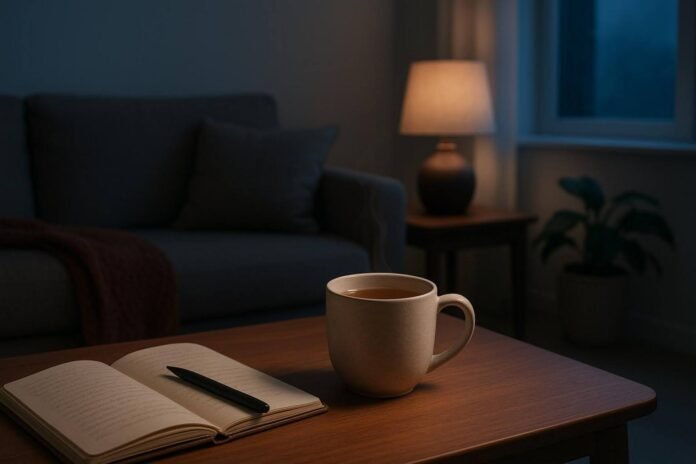

A balanced evening routine is a planned set of calming habits that helps your mind and body move from the busy pace of the day into a state of physical and mental comfort. Sleep does not have to feel like a sudden switch that happens only after complete exhaustion. A steady evening routine works like a gentle slowdown. It supports your natural body clock, helps lower stress hormones, and prepares your body for overnight repair and better energy the next day.
Modern life often pushes us to stay productive for long hours, leaving the nervous system in a constant “fight-or-flight” state even after work ends. Setting aside time at night to relax sends your internal clock a clear message that it is safe to slow down. You might include calming herbal tea, gentle movement, or simple wellness habits such as magnesium gummies for daily support to support your muscles and nerves. These habits help connect the active part of your day with the rest your body needs.
What Are the Benefits of a Consistent Evening Routine?
More than one-third of adults regularly get less than the recommended seven hours of sleep. Poor sleep can affect daytime focus, immune health, and energy. A regular evening routine can help break this pattern by making it easier to slow down each night. When your evening follows a familiar rhythm, sleep can feel more natural instead of becoming a nightly struggle.
A steady routine can support many parts of your health. Protecting time at night can help you manage stress, support healthy metabolism, and prevent you from starting the morning already feeling drained. Over time, these small habits can support better energy and clearer thinking.
1. Improves Sleep Quality and Recovery
Sleep quality matters as much as the number of hours you spend in bed. Falling asleep from complete exhaustion can still lead to broken sleep, brief awakenings, and less time in deep sleep and REM sleep. These sleep stages support physical repair, learning, and memory. A calm wind-down can lower your heart rate and help your core body temperature begin its normal nighttime drop.
When these body signals are in place, you may fall asleep more easily, often within 15 to 20 minutes. You can also move more smoothly through the different stages of sleep. During deeper sleep, the body repairs tissue, produces hormones, and stores memories. This can help you wake up feeling more restored.
2. Reduces Stress and Mental Overload
The brain spends the day taking in information, solving problems, and responding to demands. Without time to slow down, unfinished thoughts, worries, and task lists can follow you into bed. This may cause your mind to race as soon as your head touches the pillow.
A regular evening routine gives those thoughts a place to settle. Set aside a few minutes to finish simple tasks, write down anything you need to remember, and stop demanding mental work. This tells your mind that planning can pause for the night. The result can be less mental pressure and fewer anxious thoughts.
3. Supports Physical Relaxation and Muscle Recovery
Daily activities can leave your muscles tight and your joints stiff. Sitting at a desk, running errands, or training hard can all create physical tension. If you ignore that tension, stiffness and small aches may make it harder to stay comfortable at night.
Slow movement, gentle mobility work, and warmth can help your body relax. Your shoulders may drop, your jaw may loosen, and your spine may feel less compressed. This comfort can reduce nighttime muscle cramps and give your muscles better conditions for repair while you sleep.
4. Prepares the Mind and Body for the Next Day
A smoother morning often begins the night before. If the evening ends in disorder, the morning may start with searching for keys, choosing clothes, and rushing out of the house.
A balanced evening can remove many of these small problems. Set out your clothes, clear the kitchen, pack a simple lunch with a few wholesome snacks from Circle Organics, or place needed items by the door. These easy tasks leave more time and attention for the morning, helping you begin the day with less pressure.
How to Create a Calmer Evening Environment
Your surroundings send constant signals to your senses and nervous system. Bright lights, clutter, and loud sounds can tell your body to stay alert. A calmer home can make relaxation feel easier and more natural.
Reduce visual, sound, and mental stimulation as the evening continues. When your home becomes quieter and softer at night, your body has fewer signals telling it to remain active.
Dim Lights and Reduce Stimulation
For much of human history, sunset helped signal that it was time to rest. Bright indoor lighting can confuse this signal by making the brain feel as though it is still daytime. It can also reduce the body’s natural production of melatonin.
About an hour before bed, turn off strong ceiling lights and use warm, low-level lamps instead. Amber or red-toned bulbs can make the room feel more like dusk and may help your body begin preparing for sleep.
Limit Screens, Notifications, and Emotionally Intense Content
Phones, tablets, and televisions can disturb evening rest in two ways. Their blue light may affect sleep-related hormones, while their content can keep the brain emotionally active. Alarming news, online arguments, and suspenseful shows can raise alertness and stress.
Turn off highly engaging devices 30 to 60 minutes before bed. If you need to use a screen for work or family messages, use a warm color setting, lower the brightness, or try blue-light-filtering glasses. These steps may reduce some of the effect on your sleep signals.
Prepare a Cool, Quiet, Comfortable Bedroom
Your bedroom should clearly remind you of sleep and rest. If you regularly use the bed as a desk, cinema, or dining area, the connection between the bed and sleep may become weaker.
Keep the room cool, usually between 60 and 68 degrees Fahrenheit (15 to 20 degrees Celsius), to match the body’s natural drop in temperature at night. Use blackout curtains or shades to block light. A fan or a white- or pink-noise machine can help cover sudden sounds from outside.
Which Activities Support Rest and Recovery?
Your evening activities should help the mind slow down instead of demanding more effort or emotional attention. Quiet, hands-on, and reflective activities can help you move into a more restful state.
Think of these activities as gentle ways to leave the busy part of the day. Replacing passive screen use with simple hands-on hobbies can lower tension and help you feel more present.
Practice Slow Breathing or Meditation
Slow breathing affects the autonomic nervous system through the vagus nerve. Making your exhale longer than your inhale can help slow the heart rate and lower blood pressure.
You can try box breathing: inhale for four seconds, hold for four seconds, exhale for four seconds, and hold again for four seconds. The 4-7-8 method is another option. Ten minutes of meditation can help you notice thoughts without following each one, which may reduce alertness at bedtime.
Read a Calming Book
Reading a printed book in soft light is a simple way to prepare for sleep. It gives your attention one story or subject and can move your mind away from worries and daily tasks.
Choose material that holds your interest without creating strong emotion, such as a biography, nature writing, or gentle fiction. Avoid suspenseful stories or difficult technical material close to bed. If possible, read in a chair outside the bedroom so your bed stays connected with sleep.
Write a Brief Journal Entry or Next-Day To-Do List
Worry often grows from the fear that you will forget something important. Once you lie down, your working memory may continue reviewing unfinished tasks.
Take five minutes to write tomorrow’s tasks on paper. Moving these items from your mind to a notebook can provide a sense of closure. It tells your brain that the tasks have been recorded and can wait until morning.
Take a Warm Bath or Shower
Warm water can help prepare the body for sleep through changes in blood flow. A warm bath or shower about an hour before bed brings more blood to the skin of the hands, feet, and body.
After you leave the warm water and enter a cooler room, the body releases heat through the skin. This can lower core temperature in a way that matches the body’s normal nighttime cooling and may create a strong signal for sleep.
Listen To Quiet Music or Guided Relaxation
Soft sound can help people relax, especially those who find silent meditation difficult. Slow, gentle music may reduce mental activity and create a steady focus.
Try a guided body scan, progressive muscle relaxation, or nature sounds such as rainfall. These sounds give your attention something calm to follow and can cover sudden noises from the neighborhood.
Use Gentle Stretching Instead of Intense Exercise
Exercise during the day can support better sleep, but hard workouts within two hours of bedtime may raise body temperature and adrenaline. This can make it harder to fall asleep.
Choose low-effort movement at night. Gentle yoga, foam rolling, hamstring stretches, and slow neck rolls can ease tight areas without raising your heart rate. This prepares your muscles for overnight rest and repair.
What Should You Avoid During Your Evening Routine?
Creating a good evening routine involves removing habits that interfere with sleep as well as adding helpful ones. Some nighttime behaviors may seem relaxing but can keep the body and mind active.
Knowing which habits interfere with sleep can help you protect the work you put into your evening routine. Removing sources of tension makes it easier for relaxation to become the usual pattern.
Avoid Irregular Sleep Schedules and Last-Minute Rushing
Changing your sleep time greatly from one day to the next can disturb your body clock. Your body may have trouble knowing when to release hormones that support activity and when to prepare for sleep.
Trying to complete many household jobs in the last few minutes before bed can also raise stress at the wrong time. Rushing through chores may work against the slower pace your body needs.
Avoid Work, Arguments, and Stressful Decision-Making Late at Night
Late evening is a poor time for difficult arguments, work emails, or complicated money decisions. These activities can raise cortisol and adrenaline and leave the mind alert for hours.
Set a personal cutoff for stressful discussions and demanding decisions. Save difficult conversations and major planning for the daytime, when you usually have more energy and mental focus.
Avoid Relying on Alcohol, Sedatives, or Supplements for Sleep
A nightly glass of wine or an over-the-counter sleep aid may make you unconscious faster, but it does not always provide healthy, restorative sleep. Sedation can reduce awareness while still disturbing REM sleep and deep physical repair.
Supplements should support healthy habits, not replace them. Using strong sleep aids to cover ongoing poor sleep habits may lead to dependence and leave the real causes of poor rest unresolved.
Recognize When a Routine Becomes Restrictive or Stressful
Sleep advice can sometimes create “orthosomnia,” an unhealthy focus on following the perfect sleep plan. If missing a bath or cup of tea makes you feel intense guilt, the routine may be creating more stress than comfort.
Your evening routine should feel like a kind place to rest, not a test that you can fail. Leave room for changes and self-compassion. The main goal is physical and emotional ease, not perfect obedience to a checklist.
What Does a Practical 30-Minute Evening Routine Look Like?
You do not need two quiet hours every night to create a useful wind-down. A simple 30-minute plan can provide the body and brain with helpful signals that sleep is near.
The schedule below shows how a few easy habits can follow one another. You begin with simple preparation, move into physical relaxation, and finish with quiet mental activity.
Minutes 0 to 5: Finish Essential Tasks and Dim the Lights
Use the first five minutes to reset your surroundings. Clear quick clutter from the kitchen counter, pack your bag for the next day, and check that the doors are locked.
As these tasks end, lower the lights in the living room and hallway. The change in brightness gives your surroundings a clear signal that the active part of the day is over.
Minutes 5 to 10: Put Away Devices and Prepare the Bedroom
Spend the next five minutes setting limits on technology and preparing your sleep space. Put your phone on its charger away from the bed, turn on “Do Not Disturb,” and switch off televisions and computers.
Go to the bedroom, pull back the covers, and set the thermostat to a cool temperature. Close the curtains tightly to block streetlights and create a quiet, comfortable space.
Minutes 10 to 20: Stretch, Breathe, or Take a Warm Shower
Use these ten minutes for physical release. A warm shower can wash away the day and help start the body’s cooling process. If you showered earlier, try slow spinal twists and deep belly breathing on the floor.
Keep your attention on physical sensations: the warmth of the water, the release in your neck, or the steady movement of your stomach as you breathe. This can move your attention away from repeated thoughts and back to the present moment.
Minutes 20 to 30: Read, Journal, or Practice Meditation
Use the final ten minutes for a quiet activity without a screen. Sit in a comfortable chair or rest in bed under a soft lamp with a printed book. You can also write down thoughts, plans, or worries in a notebook.
When you begin to feel sleepy, close the book, turn off the lamp, and lie down. Let getting into bed be the final step, telling your mind that the day’s tasks are finished.
Create a Shorter Version for Busy Evenings
Some nights will include travel, late meals, or family needs that leave little free time. Instead of dropping the routine completely, use a simple five-minute version.
Brush your teeth, wash your face with warm water, lower the lights, and take ten slow breaths in bed. This short pattern keeps the habit going without adding pressure.
How to Make an Evening Routine Easy to Maintain
The value of an evening routine comes from repeating it, not from making it complicated. Large wellness plans that demand major changes often become difficult to follow after a few weeks.
Habits last longer when they are easy, pleasant, and connected to the surroundings you already use. Build your routine slowly so the changes can become familiar without feeling like extra work.
Start With One or Two Repeatable Habits
Do not try to begin a ten-step routine in one night. Adding too many actions at once can use up your motivation and make the plan hard to maintain.
Start with one or two basic habits, such as dimming the lights at 9:00 p.m. or charging your phone away from the bed. Repeat them until they feel automatic. Then add another habit if it fits your life.
Use Environmental Cues and Consistent Reminders
At the end of a tiring day, memory alone may not be enough to keep you from falling back into old habits such as endless scrolling. Set up your surroundings so they make the next action easy.
Place a book on your pillow in the morning, keep your slippers beside the bed, or set a phone reminder for one hour before bedtime. These cues can remind you to lower the lights and begin your wind-down without much effort.
Keep the Routine Flexible Rather Than Perfect
Life will sometimes disrupt your usual evening. Late meetings, trips, family activities, and unexpected invitations can all change the schedule.
Choose flexibility instead of perfection. If you get home late, complete a shorter version of the routine with a calm attitude. A steady pattern is built over many weeks and months, not judged by one difficult night.
Track Sleep, Energy, and Recovery Without Overmonitoring
Your daytime energy, focus, and mood can show how well your evening habits are working. When a calm evening leads to an easier morning, that experience can encourage you to keep going.
Try not to become focused on sleep scores or wearable data. Studying every sleep measurement can create pressure and make rest harder. Pay attention to how easily you wake, how clear you feel during the day, and whether your energy is steady.
Give New Habits Several Weeks To Become Familiar
The brain needs time to adjust to new behavior patterns. A new evening routine may take several weeks of regular practice before it feels natural.
Be patient and stay curious about what helps you most. Small actions repeated night after night can become a comfortable anchor that supports your health, restores energy, and helps you begin each morning with more purpose.
Your needs may change with the seasons, personal milestones, and other changes in life. During darker winter months, you may prefer a longer routine with more warmth, heavier blankets, and an earlier bedtime. In summer, later sunlight may support a lighter and later schedule. Treat your evening routine as a flexible form of self-care rather than a strict productivity plan. Let it adapt as your life changes while continuing to support deep rest, physical recovery, and a better start to the next day.

