

Moving sounds simple until you try to do it without a system. You pack boxes, book a truck, and expect the day to sort itself out. Then the delays, damaged items, and missing labels start showing up. If you want your next move to feel controlled instead of chaotic, you need more than motivation. You need a realistic plan, smart timing, and a clear understanding of how professional help changes the outcome.
The Right Moving Company Does More Than Carry Boxes
A professional relocation team should bring structure, risk control, and efficiency to the entire process. That includes logistics, loading strategy, furniture protection, and timing discipline. You’re not only paying for muscle. You’re paying for fewer mistakes.
When comparing movers, look beyond the quote. Check whether they handle local and long-distance jobs, offer packing services, manage storage, and explain valuation coverage clearly. Ask how they protect flooring, wrap furniture, and handle bulky or delicate pieces.
A strong company will also communicate well before move day. You should know arrival windows, inventory expectations, and any access issues involving elevators, stairs, or narrow driveways. Clear pre-move coordination tends to separate polished operators from unreliable ones very quickly.
Start Planning Earlier Than Feels Necessary
Most moving problems begin long before moving day. They start when you underestimate how many decisions need to happen in a short window. Packing, utility transfers, address updates, storage questions, and furniture disassembly all compete for attention at once.
A good rule is to begin serious planning at least six to eight weeks ahead for a full household move. Create a room-by-room inventory and flag anything fragile, oversized, or high-value. That list helps you estimate supplies, labor, and truck space with much more accuracy.
If you wait until the final week, you usually end up paying more for rush services, using poor packing methods, and losing track of essentials. Early planning gives you leverage, better scheduling options, and fewer ugly surprises.
Decluttering Changes the Entire Cost Structure
You probably don’t want to pay to move things you no longer use. Yet many people do exactly that because sorting feels harder than tossing everything into boxes. The result is more labor hours, more packing materials, and often a larger truck.
Before you pack, go through clothes, kitchen gear, books, garage items, and old electronics. Separate items into keep, donate, sell, recycle, and discard. Be honest about what has actually earned space in your new home.
This step matters financially and logistically. Fewer items mean faster loading, lower transportation volume, and easier unpacking. It also helps when you need a more precise quote. Moving companies can assess your job better when your inventory reflects what is truly going with you.
Packing Is Where Most Damage Happens
People often blame transportation for broken items, but poor packing usually causes the damage first. A box that is too heavy, half-empty, or filled without cushioning becomes a problem before it ever reaches the truck.
Use small boxes for books and dense items, medium boxes for general household goods, and specialty cartons for mirrors, televisions, and wardrobes when needed. Wrap fragile items individually and fill empty space to reduce shifting during transit.
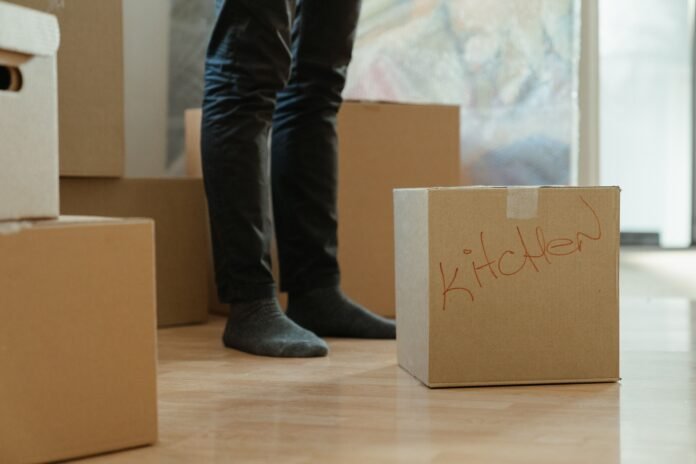
Label each box with the destination room and a short contents note. “Kitchen” is useful, but “Kitchen: plates and mugs” is much better when you’re trying to unpack the basics on the first night. Keep hardware from furniture in sealed, labeled bags taped securely to the matching item.
Build a First-48-Hours Strategy for the New Home
Unpacking everything immediately sounds productive, but it often turns into random box opening and fast burnout. A better approach is to plan around the first 48 hours. Focus on function before aesthetics.
Pack an essentials set with medications, chargers, toiletries, bedding, basic cookware, pet supplies, important documents, and a few days of clothes. Keep that separate from the main shipment so it stays easy to access.
At the new home, prioritize bathrooms, beds, and the kitchen basics first. Then confirm that major systems are working: electricity, water, internet, HVAC, smoke detectors, and door locks. If you have kids, set up their sleeping area early. If you work remotely, get your workstation operational before diving into decorative details.
Timing Can Affect Price, Stress, and Availability
Move timing has a direct impact on how smooth the process feels. End-of-month dates, weekends, and summer bookings usually come with tighter availability and heavier demand. If your schedule has flexibility, a mid-month weekday move often gives you better options.
Weather matters too. Rain changes loading speed, increases slip hazards, and raises the need for protective coverings. Extreme heat can affect both physical stamina and sensitive belongings stored in trucks or garages.
Building access can also create timing issues. Some apartments only allow move-ins during narrow windows or require elevator reservations. Some neighborhoods have parking limitations that complicate truck placement. Confirm these details early. A perfect moving crew can still lose time if the site logistics were never sorted out.
Protect Documents, Valuables, and Digital Essentials Yourself
Even with a highly skilled crew, some categories of items should stay under your direct control. Personal documents, passports, financial records, jewelry, prescription medication, backup drives, and devices with sensitive data belong with you.
Create one secure bag or lockbox for these essentials and don’t mix it into the general packing flow. The same goes for lease agreements, closing papers, school records, and anything you might need on short notice during the transition.
It’s also smart to back up important files before the move. A lost charger is annoying. A corrupted hard drive with tax records, family photos, or work files is a different kind of problem. Physical relocation now includes digital continuity, and treating it that way saves real headaches.
A Good Move Is Built on Systems, Not Luck
The smoothest moves rarely happen because someone stayed calm under pressure. They happen because the process was designed well from the start. Planning early, reducing volume, packing correctly, protecting key items, and choosing qualified help all shape the result.
You don’t need a perfect move to have a successful one. You need fewer preventable errors and a setup that supports real life once you arrive. When each stage has a purpose, the whole transition feels lighter.
That’s the real difference between a stressful relocation and a manageable one. Not luck, not last-minute hustle, and not guesswork. Just better preparation, better communication, and better execution from beginning to end.

