
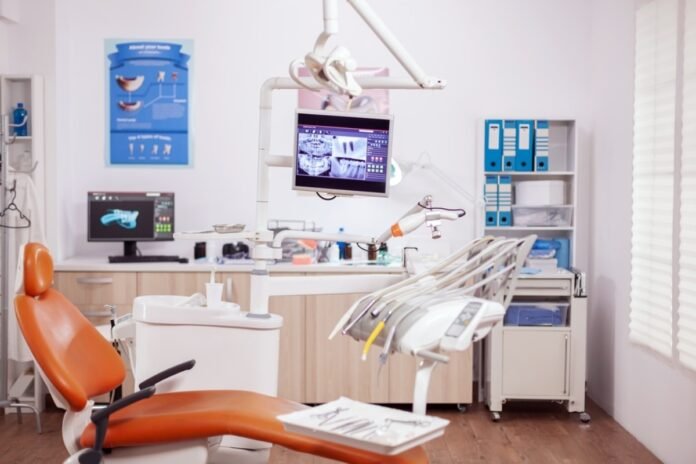

Dentistry has always depended on precision. A small adjustment to a tooth can influence how a patient eats, speaks and smiles, while a carefully planned treatment can protect oral health for years. Yet behind every successful dental procedure lies another system of decisions: appointment scheduling, patient communication, financial management, staff coordination and business development.
For Australian dental clinics, these operational details are becoming increasingly important. Patients expect convenient bookings, clear information and responsive service, while practice owners must balance rising operational demands with the responsibility of delivering quality care. The challenge is no longer simply acquiring better technology. It is building a business system in which technology, people and clinical expertise work together.
Understanding the Innovation Gap in Modern Dentistry
Innovation in dentistry is often associated with visible advances, such as digital scanners, computer-assisted treatment planning and sophisticated diagnostic equipment. These technologies can improve aspects of clinical care, but their benefits may be limited when the administrative systems surrounding them remain inefficient.
Consider a clinic equipped with advanced imaging technology but still relying on disconnected spreadsheets, inconsistent appointment reminders and manual follow-ups. The clinical environment may be modern, yet the overall patient experience can remain frustrating.
This is the innovation gap: the distance between what a dental practice is capable of delivering and what its everyday systems allow it to achieve.
Closing that gap requires more than purchasing software. Practice owners must examine how information moves through the business, where staff lose valuable time and which processes create unnecessary friction for patients.
The Australian Dental Association recognises the importance of digital transformation while emphasising evidence-based adoption, patient safety and the protection of sensitive information. In practical terms, innovation should improve the way a practice operates without compromising professional standards or patient trust.
Smarter Practice Management Creates Room for Better Care
A dental practice operates through a network of interconnected responsibilities. Reception teams coordinate appointments, clinicians document treatment, practice managers oversee operations, and financial staff manage payments and accounts. When these activities are poorly connected, small inefficiencies can accumulate.
Modern practice management systems can bring appointment scheduling, patient records, billing and treatment planning into a more organised workflow. Automated reminders may help reduce missed appointments, while digital forms can simplify administrative preparation before a consultation.
However, automation is most effective when it supports a well-designed process. A confusing workflow does not become efficient simply because software makes it faster.
Australian dental businesses should therefore begin by identifying their most persistent operational challenges. These might include long waiting times, repeated data entry, uncompleted treatment plans or difficulty following up with patients who are due for preventive appointments.
By addressing the underlying problem before selecting a digital solution, clinics can make more informed investments and avoid paying for features that do not meaningfully improve their operations.
Why Local Search Has Become a Business Priority
The journey towards a dental appointment often begins long before a patient enters the waiting room. Someone experiencing tooth sensitivity, looking for a family dentist or considering cosmetic treatment may start by searching online for a dentist near me.
That simple phrase reflects a larger shift in consumer behaviour. Patients increasingly use search engines, online maps and clinic websites to compare services, check locations and decide which practice deserves their attention.
For dental businesses, visibility in local search is therefore an important part of remaining competitive. A well-maintained Google Business Profile, accurate contact details, useful service pages and a mobile-friendly website can make it easier for prospective patients to discover a clinic.
Local search optimisation should also reflect the actual community a practice serves. Creating informative pages about relevant treatments and locations can help connect patients with appropriate services, provided the content is useful, accurate and not merely designed to repeat keywords.
Importantly, being discovered is only the beginning. If a website is difficult to navigate, phone calls go unanswered or booking instructions are unclear, potential patients may abandon the process.
Digital visibility and operational efficiency must work together to turn an online search into a positive patient experience.
The Strategic Role of Digital Marketing Management
Successful dental marketing is not simply a matter of publishing social media posts or running occasional advertisements. It requires a coordinated approach to attracting the right audience, communicating clinical value and understanding which activities generate meaningful enquiries.
Effective management of digital marketing begins with clear objectives. A clinic might want to increase preventive check-up bookings, improve awareness of its services in nearby suburbs or help patients better understand treatment options.
Each objective requires an appropriate combination of activities. Search engine optimisation can support long-term visibility, paid advertising can target relevant searches, and educational content can answer common patient questions. Email or SMS reminders, when appropriately consented to and managed, can also support ongoing communication and preventive care.
Measurement is equally important. Rather than focusing exclusively on website visits or social media engagement, clinic owners should examine enquiries, completed bookings, appointment attendance and patient retention.
Connecting marketing data with practice management processes can reveal where potential patients disengage. For example, a campaign may generate considerable interest but few appointments because the booking process is inconvenient or enquiries are not answered promptly.
This is where business systems become a competitive advantage: they allow marketing performance to be evaluated alongside the real-world experience of patients.
Artificial Intelligence and the Next Stage of Dental Operations
Artificial intelligence is creating new possibilities for administrative support, data analysis and selected clinical applications. Depending on the system, AI-assisted tools may help organise information, support appointment workflows or identify patterns that deserve further investigation.
For practice owners, the most useful applications may initially be relatively straightforward. Automated appointment confirmations, structured enquiry management and clearer reporting can reduce repetitive administrative work and give staff more time for meaningful patient interactions.
Nevertheless, AI should not be adopted simply because it is fashionable. Dental practices must consider accuracy, privacy, cybersecurity, staff training and the appropriate oversight of any automated decisions. Patient information requires careful protection, and clinical decisions must remain subject to suitable professional judgement.
The goal is not to remove the human element from dentistry. It is to reduce avoidable administrative burdens so that dental teams can devote more attention to the people they serve.
Building a More Adaptable Dental Business
A resilient dental practice does not need to implement every new technology at once. It needs a clear understanding of its priorities and a willingness to improve continuously.
Clinic owners can begin by reviewing their appointment workflows, identifying recurring administrative bottlenecks and assessing whether existing software meets their needs. They can then strengthen local search visibility, establish consistent patient communication procedures and measure the results of marketing activities.
Staff involvement is essential throughout this process. Receptionists, dental assistants, clinicians and practice managers often understand operational problems that may not be obvious from financial reports alone. Their feedback can help ensure that new systems are practical, sustainable and genuinely useful.
Equally, Australian dental advertising must remain consistent with applicable professional requirements, including the Dental Board of Australia’s advertising guidelines where relevant. Marketing claims should be accurate, evidence-based and free from misleading promises.
Innovation Is a System, Not a Purchase
The future of Australian dentistry will be shaped by more than advanced equipment or the latest software. It will depend on how effectively dental practices combine clinical expertise, operational discipline and thoughtful digital communication.
Closing the innovation gap begins with recognising that every part of a practice influences the patient experience. Efficient administration creates more organised appointments. Useful online information helps patients make informed choices. Well-managed marketing connects appropriate services with people seeking care.
Ultimately, smarter business systems are not a substitute for excellent dentistry. They are the infrastructure that helps excellent dentistry become more accessible, consistent and sustainable. For Australian dental clinics navigating a changing market, that may be the most valuable innovation of all.

