

Every house tells you when something needs attention, but the signals are often quiet at first. A door that sticks, a faint stain on the ceiling, or a room that never feels quite warm enough can all point to a larger issue.
Homeowners who learn to read these signs early tend to spend less, worry less, and enjoy their homes more. The challenge is knowing which problems can wait, which ones need action now, and how to plan the work so it does not feel overwhelming.
Keeping Out Drafts and Weather
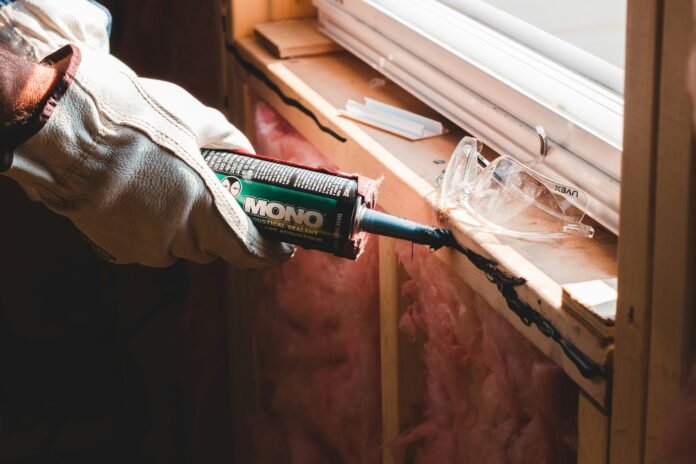
Many of the small comfort problems in a home come down to how well it seals out the weather. Old windows are a common source of trouble, since worn frames and tired glass let in drafts, moisture, and outside noise that make rooms harder to heat and cool. In many cases, the lasting fix is to take out the aging units and fit new ones that are built to close tightly and hold indoor temperatures steady.
Hire a company that provides window replacement with energy-efficient features, custom-fitted designs, and warranty protection. A well-sealed home feels calmer and more comfortable in every season.
Learning to Spot the Early Warning Signs
The first step in managing repairs is simply paying attention. Walk through your home every few months with fresh eyes, as if you were a buyer seeing it for the first time. Look for cracks in walls, peeling paint, damp spots under sinks, and floors that creak or dip in new places. Check the exterior too, including the roof edges, gutters, siding, and the ground around the foundation.
A musty smell can point to hidden moisture. A sudden rise in energy bills may signal that your heating or cooling system is working harder than it should. Strange sounds from pipes, vents, or appliances often appear well before a breakdown. Writing these observations down in a simple notebook or phone note helps you track whether a problem is stable or growing worse over time.
Sorting Problems by Urgency
Not every issue deserves the same response. A helpful way to sort repairs is to place them into three groups. The first group covers anything that affects safety, such as electrical faults, gas smells, loose railings, or signs of structural movement. These should be handled right away, ahead of everything else on the list.
The second group includes problems that will get worse and more costly if ignored. Leaks, rotting wood, blocked gutters, and failing seals around doors fall into this category. They may not be dangerous today, but water and weather damage can spread quickly and quietly.
The third group holds cosmetic or comfort upgrades, such as fresh paint, new fixtures, or updated flooring. These improve how a home looks and feels, but they can usually wait until the more pressing work is done.
Building a Realistic Repair Budget
Money is often the biggest barrier to keeping up with home repairs. Setting aside a small amount each month for upkeep makes surprise costs far easier to handle.
When planning larger projects, gather more than one estimate so you understand the fair price range for the work. Ask what is included, how long the job will take, and whether any warranty comes with it. Spreading big projects across several years can make them manageable without draining your savings at once.
Handling Seasonal Maintenance
Each season brings its own set of tasks, and staying ahead of them prevents many common repairs. In spring, check the roof for winter damage, clean gutters, and look for cracks in walkways or the driveway. Summer is a good time to inspect decks, porches, and outdoor paint, since dry weather makes these jobs easier.
Fall calls for preparing the home for colder months. Service the heating system, seal gaps around doors, and clear leaves from drains and gutters. Winter is the season to watch for ice buildup, frozen pipes, and drafts that let warm air escape. Following a simple seasonal checklist keeps small issues from growing into expensive emergencies.
Deciding Between DIY and Expert Help
Many home tasks are well within reach for a careful homeowner. Changing air filters, caulking gaps, tightening loose handles, and painting a room are all good projects to handle yourself. These jobs build confidence and save money.
Other work is best left to trained hands. Anything involving electrical wiring, gas lines, major plumbing, roofing, or structural changes carries real risk if done incorrectly. A good rule is to ask yourself whether a wrong move could cause harm or hidden damage. If the answer is yes, it is worth bringing in someone with the right skills and equipment.
Keeping Records That Pay Off Later
Good records make home ownership much simpler. Keep a folder, either on paper or online, with receipts, warranties, product manuals, and notes about every repair or upgrade. Record the date of each job, who did it, and what materials were used.
These records help in several ways. They remind you when certain systems are due for service. They make warranty claims easier if something fails early. They also add value when you sell, since buyers feel more confident about a home with a clear history of care.
Protecting the Value of Your Home Over Time
A house is often the largest investment a family makes, and steady care is what protects that investment. Homes that receive regular attention tend to hold their value better, sell more easily, and cost less to maintain over the long run.
Beyond money, a well-kept home offers peace of mind. Knowing that the roof is solid, the heating works, and the rooms stay comfortable lets you focus on the parts of life that matter most. By spotting problems early, sorting them wisely, budgeting with care, and keeping clear records, any homeowner can stay in control of the repairs that keep a house in good shape for years to come.

