
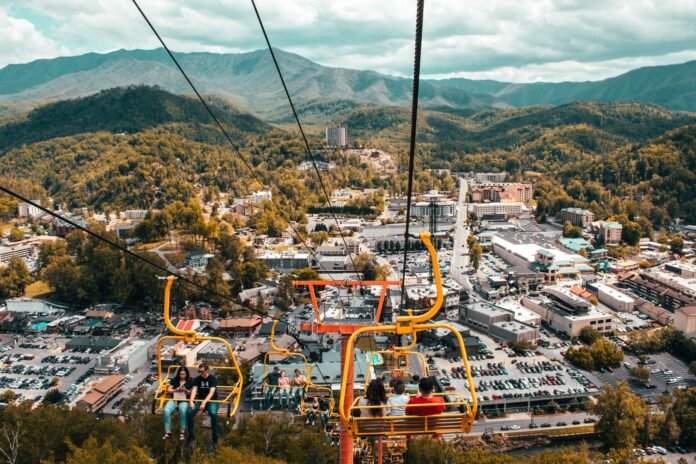

Short trips have a way of filling up before they even begin. A long weekend sounds generous until you start listing everything you want to see, and suddenly two days feel like two hours. Visitors arriving in Pigeon Forge often face exactly this problem, because the area offers far more than any quick stay can hold.
The good news is that a short trip does not have to feel rushed. With a little planning and a willingness to leave some things for next time, a two- or three-day visit can feel every bit as satisfying as a full week away.
Choosing One Experience Worth Building the Trip Around
When time is limited, the best trips usually have one strong centerpiece rather than ten small stops. Travelers often try to fit in every ride, every show, and every shop, and end up remembering none of them clearly.
A single standout activity that everyone in the group genuinely wants to do gives the whole trip a shape and a story. Pigeon Forge Racing Coaster gives groups exactly that kind of anchor.
Its two side-by-side tracks let riders race each other head-to-head, with timed runs and a finish line photo waiting at the end. That format is why so many riders call it the best Pigeon Forge mountain coaster in the area.
Deciding What Kind of Trip You Actually Want
Before booking anything, it helps to be honest about the kind of break you are after. Some groups want to be busy from morning until night, moving from one activity to the next with barely a pause. Others want a slow start, a long lunch and an easy afternoon with nothing planned at all.
Neither approach is better, but mixing the two without agreeing first is how short trips go wrong. Talk it through before you arrive, even briefly, so nobody spends the weekend quietly wishing for something different.
If you are traveling with children, the answer usually leans toward variety and shorter stretches of activity. If the group is made up of adults, you can afford longer stops and fewer of them. Multigenerational trips need the most thought, since energy levels differ widely across the group.
Picking a Base That Saves You Time
Where you stay matters more on a short trip than on a long one, simply because every minute spent driving is a minute not spent enjoying yourself. Staying close to the main strip of attractions can cut your travel time dramatically, though it often comes with more noise and traffic.
Staying a little further out gives you quiet evenings and easier parking, but adds a drive to the start and end of each day.
Think about which trade-off you would rather make. Groups planning early mornings and late nights usually benefit from being central. Groups who want to relax between outings often prefer somewhere calmer, where coming back in the middle of the day feels natural rather than like a chore.
Timing Your Days Around the Crowds
The single most effective trick for a short visit is going early. Most attractions are quietest in the first hour or two after opening, and the difference in waiting time can be enormous. An early start also leaves the middle of the day free for a proper meal and a rest, which matters more than people expect when they are walking for hours.
Late evenings work well too. Many places stay open well past dinner, and the atmosphere after dark is often better than it is in the afternoon heat. Plan your busiest activities for the beginning and end of the day, and treat the middle hours as flexible time. This one adjustment can make a two-day trip feel noticeably longer.
Weekdays are almost always calmer than weekends. If your schedule allows any flexibility at all, arriving on a Sunday or Monday rather than a Friday can transform the experience.
Leaving Room for the Unplanned
There is a temptation, when time is short, to schedule every hour. This almost always backfires. Something will run long, someone will want a second helping of dessert, and a place you had never heard of will catch your eye as you drive past. A schedule with no slack turns those moments into problems instead of highlights.
A useful rule is to plan no more than two fixed commitments per day. Everything else stays on a list of possibilities rather than a timetable. You will still see plenty, but you will do it without watching the clock. Trips that people remember fondly usually include at least one thing nobody planned.
Eating Without Losing Half Your Day
Meals can quietly consume an enormous share of a short trip. Popular restaurants fill up fast, and an unplanned hour in a waiting area is painful when you only have two days. Booking ahead where you can, or simply eating slightly earlier or later than the crowd, solves most of this.
Keeping a few snacks and drinks with you also helps more than it sounds. Hunger is what drives most groups into whatever place happens to be nearest, and that is rarely the meal anyone hoped for. A little preparation buys you the freedom to eat where you actually want to.
Packing for the Weather You Might Get
Mountain weather changes quickly, and a bright morning can turn into a cool, damp afternoon without much warning. Layers are far more useful than any single heavy item, and comfortable shoes matter more than almost anything else you bring. A light rain jacket takes up almost no space and can rescue an entire afternoon.
It also pays to have a rough idea of what you would do if the weather turns. Having one indoor option in mind means a wet afternoon becomes a change of plan rather than a lost day.
Making the Trip Feel Longer Than It Is
The trips that feel generous are rarely the ones that were the most packed. They are the ones where people were present, unhurried, and genuinely enjoying what they chose to do. Doing three things properly beats doing eight badly, every time.
So pick your centerpiece, choose a base that suits your pace, start early, and let the rest of the time stay loose. A short visit planned this way will not feel short at all, and you will leave with a clear reason to come back.