
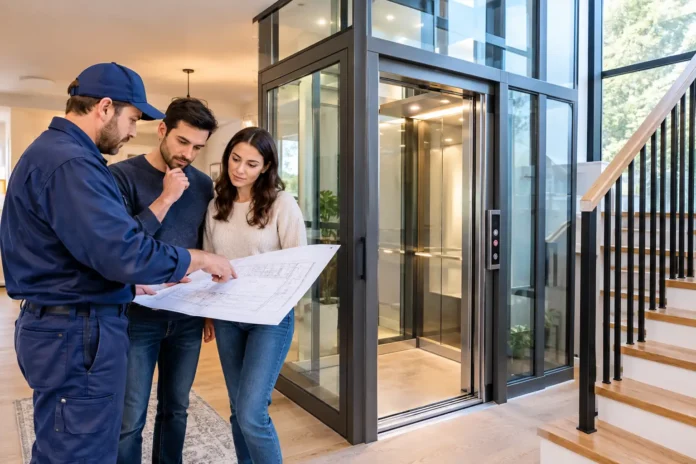

CHS Elevators is one resource homeowners can explore when considering a residential elevator installation in Isle of Palms and surrounding South Carolina communities. A home elevator can improve accessibility, make movement between floors more convenient, and help a multi-story property work better for changing household needs. However, installation requires careful planning around available space, home design, safety, construction requirements, and long-term maintenance.
Why Homeowners Consider Residential Elevators
Residential elevators are no longer limited to extremely large luxury properties. They can provide practical benefits for many multi-story homes.
For some homeowners, convenience is the main reason. Carrying groceries, luggage, laundry, or other heavy items between floors can become much easier with an elevator.
Accessibility is another important consideration. Stairs may become challenging for older family members or people with limited mobility. Planning for easier movement between floors can allow a home to remain practical as household needs change.
In luxury properties, an elevator can also become an integrated feature that complements the overall design and functionality of the residence.
Start Planning Early
The best time to think about an elevator is during the early stages of construction or a major renovation. Planning ahead gives architects, builders, and elevator professionals more flexibility when determining where the system should be located.
However, elevators can also be added to some existing homes.
Retrofit projects may require more creative planning because the house was not originally designed with an elevator shaft or dedicated space. Professionals need to evaluate the layout and determine which installation approach is suitable.
Starting with a professional assessment can prevent homeowners from making design decisions that later create unnecessary construction challenges.
Choose the Location Carefully
Elevator placement can influence both convenience and construction complexity.
Ideally, the elevator should connect important areas of the home without interfering with normal movement through rooms and hallways. It should also fit naturally into the property’s design.
In an existing house, potential locations may include areas near stairways, closets, unused spaces, or locations where modifications can be made across multiple floors.
Every property is different, which is why an on-site evaluation is usually important before finalizing the location.
Consider the Needs of Your Household
Homeowners should think about who will use the elevator and why.
A household planning primarily for future accessibility may have different priorities from a family installing an elevator for everyday convenience. Door dimensions, interior space, controls, and entry arrangements can all influence usability.
It is also helpful to think several years ahead. A home that works perfectly for a family today may need to accommodate different mobility needs in the future.
Planning with long-term use in mind can make the investment more practical.
Match the Elevator to the Home
A residential elevator should not feel like an industrial addition placed inside a home.
Modern systems can often be designed to coordinate with surrounding architecture and interior finishes. Doors, flooring, wall treatments, lighting, and other visible elements can help the elevator blend into the property.
In a coastal South Carolina residence, for example, homeowners may prefer finishes that complement bright interiors, natural materials, and the relaxed architectural character commonly associated with coastal homes.
The objective is to combine practical movement between floors with a design that feels intentional.
Think About Isle of Palms Conditions
Homes in coastal areas can face environmental conditions that should be considered when selecting building materials and mechanical systems.
Humidity, salt air, storms, and other coastal factors may influence construction and maintenance decisions. Properties on Isle of Palms can also have architectural layouts that differ from conventional inland homes.
Some coastal residences use elevated living spaces or multiple levels, making vertical movement particularly important.
Working with professionals familiar with local homes can help ensure that the installation plan reflects both the building and its environment.
Understand the Construction Process
Installing a residential elevator can involve more than simply placing equipment inside a house.
Depending on the system and property, work may involve structural modifications, electrical work, framing, doors, finishes, and other construction tasks. Coordination between the elevator installer and other contractors may therefore be necessary.
Homeowners should ask how the project will progress before construction begins.
Understanding which areas of the house will be affected, how long different stages may take, and what preparation is required can make the project easier to manage.
Safety Should Be a Priority
Safety is one of the most important considerations when installing any elevator.
Residential elevator systems should be selected and installed according to applicable requirements and manufacturer specifications. Components such as doors, controls, emergency features, and operating systems all contribute to safe use.
Professional installation is important because the system needs to operate as a complete unit rather than as a collection of separate components.
Homeowners should also learn how to use the elevator correctly and understand what to do if the system requires service.
Consider Space Requirements
One common concern is whether a home has enough room for an elevator.
The answer depends on the elevator system, property design, number of floors, and installation requirements.
A large house may provide several possible locations, while a smaller property may require more careful planning. The space needed for equipment and supporting construction should also be considered rather than looking only at the interior dimensions of the elevator car.
Homeowners researching Home elevator installation in Isle of Palms, SC can explore local residential installation information before deciding how an elevator might fit into their property.
Plan the Budget Carefully
Residential elevator costs can vary based on the system, number of floors, construction requirements, finishes, and complexity of installation.
Homeowners should think about the complete project rather than focusing only on the elevator equipment itself.
If structural changes, electrical work, interior finishing, or additional construction are required, these expenses may form part of the overall budget.
For an existing home, it can also be sensible to leave room in the budget for conditions that become visible only after construction begins.
A detailed discussion with the installer can provide a clearer understanding of the project’s scope.
Think About Long-Term Maintenance
Like other mechanical systems in a home, an elevator requires ongoing attention.
Routine inspections and maintenance can help identify wear and keep the system operating properly. Homeowners should understand the recommended maintenance schedule and know whom to contact if the elevator develops a problem.
Long-term service availability is therefore worth considering when choosing an installer.
The relationship with an elevator company may continue well beyond the original installation, making reliable service an important part of the decision.
Residential Elevators and Aging in Place
Many homeowners want to remain in their existing properties as they get older.
A multi-story home can become less convenient when stairs become difficult to use regularly. Installing an elevator can be one way to make more areas of the property accessible without moving to a single-story home.
Planning can be particularly useful because accessibility improvements are easier to evaluate before they become urgently necessary.
Even when an elevator is installed primarily for convenience today, it may provide additional value to the household in the future.
Don’t Ignore Everyday Convenience
Accessibility is important, but residential elevators can also make ordinary household tasks easier.
Moving luggage to an upper-floor bedroom, carrying groceries, transporting laundry, or moving heavier household items between floors can require less physical effort.
This can be especially useful in larger multi-story or elevated coastal homes where important living areas may be located above ground level.
The value of an elevator should therefore be considered in terms of everyday use as well as future accessibility.
Work With Experienced Professionals
Residential elevator installation requires technical knowledge and coordination with the home’s construction.
Before selecting an installer, homeowners should discuss their property’s layout, the number of levels that need to be served, expected users, preferred location, design goals, and budget.
It is also useful to ask about installation procedures, ongoing service, and maintenance.
Clear communication at the beginning can help ensure that the proposed system matches the homeowner’s expectations.
Make the Elevator Part of the Overall Design
A well-planned elevator should complement the home rather than appear to have been added without consideration for the surrounding space.
Homeowners renovating several areas at once can coordinate elevator finishes with flooring, wall colors, cabinetry, lighting, and other interior elements.
For new construction, integrating the elevator into architectural plans from the beginning can provide even more flexibility.
Homeowners considering a residential elevator for a coastal South Carolina property can find additional installation information at chselevators.com when researching how the system could be incorporated into their home.
Final Thoughts
A residential elevator can make a multi-story home more accessible, convenient, and adaptable to changing household needs. For homeowners on Isle of Palms and elsewhere in South Carolina, it may be particularly useful in larger or elevated properties where regularly moving between several floors can become inconvenient.
Successful installation begins with careful planning. Homeowners should consider location, available space, household needs, coastal conditions, safety, construction requirements, budget, design, and long-term maintenance.
By involving experienced professionals early and thinking beyond immediate needs, homeowners can create an elevator installation that fits naturally into the property and remains useful for many years.