


Understanding the various wire colour codes in electrical systems is critical for ensuring safety and efficiency in electrical installations. Different countries and regions have specific regulations governing wire colour coding, which can vary significantly. This article aims to elucidate some key aspects of wire colour codes and their application across different settings. For a detailed guide on electrical wiring colours, one can refer to the comprehensive resource provided by RS Components MY | Electrical Wiring Colours Explained.
The Importance of Wire Colour Coding
Wire colour coding is a systematic approach to marking wires with specific colours to denote their purpose in an electrical system. This methodology serves several critical functions. Firstly, it enhances safety by minimising the risk of electrical mishaps, such as short circuits or electrical shocks. Secondly, it ensures uniformity in electrical installations, making it easier for professionals to understand and follow wiring diagrams. Lastly, it facilitates maintenance and troubleshooting activities by clearly identifying the function of each wire.
Standard Colour Codes in AC Power Systems
Across AC power systems, wire colour codes are implemented to distinguish between different types of conductors. Typically, the live wire, responsible for transmitting electricity, is marked with a specific colour, while the neutral wire, which completes the electrical circuit, uses another. An additional earth wire is also present to prevent electric shocks if appliances become live.
- Live wire: carries electrical current from the power source to the connected equipment and can present a significant shock hazard if handled incorrectly.
- Neutral Wire: Typically denoted by a blue or black colour, the neutral wire provides a return path for current in many AC electrical systems.
- Earth Wire: Marked by green or green with a yellow stripe, this wire serves as a safety measure to ground the electrical installation, mitigating the risk of electric shock.
Understanding Wire Colour Complexity in Multi-Phase Systems
In multi-phase systems, the complexity of wire colour codes increases to accommodate the additional conductors. These systems demand more intricate colour-coding strategies to ensure each phase is easily identifiable.
– Phase 1: Often marked brown, this wire carries the electricity from the power source.
– Phase 2 and 3: Even though the colour codes can sometimes vary, grey and black are commonly used for these additional phases.
For those operating within or in close collaboration with international entities, adapting to these nuances is imperative for seamless operations.
Adhering to Regulatory Standards
Wire colour coding is often dictated by regulatory standards, which are crucial for compliance and safety assurance. These standards ensure that wiring practices meet specific criteria, thus eliminating the risk of inconsistencies that could lead to hazardous conditions. Among the myriad of standards that exist globally, they all share a common goal: to uphold the utmost level of safety, operational efficiency, and reliability in electrical installations.
Fluency in Reading Wiring Diagrams
Accurate interpretation of wiring diagrams is essential for engineers and technicians. Wiring diagrams employ wire colours as critical guides in understanding circuit design and system layout. The ability to decipher these diagrams is instrumental in ensuring correct installation and maintenance.
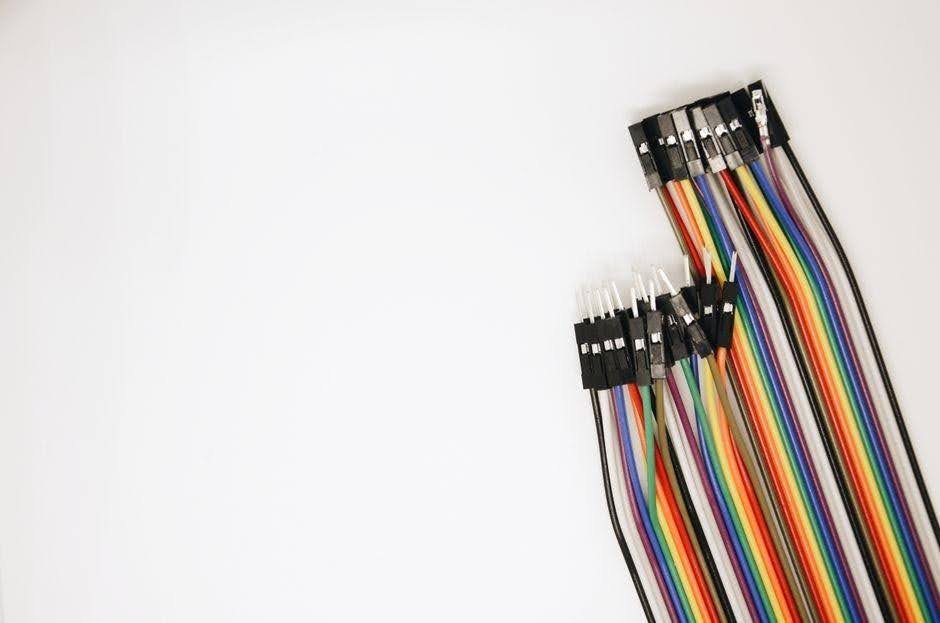
– Highlighting Wire Functions: Understanding the visual representation of wire functions, as often depicted in diagrams, aids in recognising the role each conductor plays.
– Troubleshooting Electrical Systems: During diagnostics, easily identifying wires through colour codes streamlines the process of locating and rectifying faults.
Challenges with Wire Colour Codes in Diverse Systems
While wire colour codes standardise electrical systems, several challenges still arise, particularly when dealing with older or unconventional systems. In older installations, wire colours may not adhere to current standards due to changes over time, posing safety risks. Additionally, custom setups or niche applications might utilise unique coding schemes that necessitate specialised knowledge for accurate interpretation.
Leveraging Colour Codes in New Technologies
With the rapid advancement in technology, maintaining updated knowledge of wire colour codes is becoming increasingly important. Emerging technologies often bring new considerations and requirements that may affect how wire colour codes are implemented. The burgeoning field of smart home systems, for instance, frequently incorporates communication cables that integrate with traditional electrical systems, broadening the range of colours used.
Best Practices for Safe and Compliant Wiring
To achieve the highest safety standards in electrical wiring, adherence to approved colour codes combined with industry best practices is essential:
- Consistent Documentation: Keeping thorough and accurate records of wire colours used during installation is critical. This practice aids future inspections and upgrades.
- Regular Audits: Undertaking consistent inspections to ensure compliance with the latest standards helps identify issues before they escalate into significant safety hazards.
- Training and Education: Continuous professional development for those involved in electrical installations ensures comprehensive understanding and competence in applying wire colour codes correctly.
- Custom Labelling: In complex or bespoke systems where conventional colour codes are adapted, clear labelling and documentation help maintain clarity.
Conclusion on Wire Colour Codes
Proficiency in understanding and applying wire colour codes is indispensable for professionals in the field of electrical engineering. With safety as the paramount concern, abiding by established colour codes and practices ensures a reliable and efficient electrical system. The integral role of these codes might seem straightforward, but their importance cannot be overstated. Embracing accuracy and efficiency has underscored the enduring significance of wire colour codes in modern installations. Understanding these elements aids in reducing the chance of errors and ensures the optimal functioning of electrical systems.