
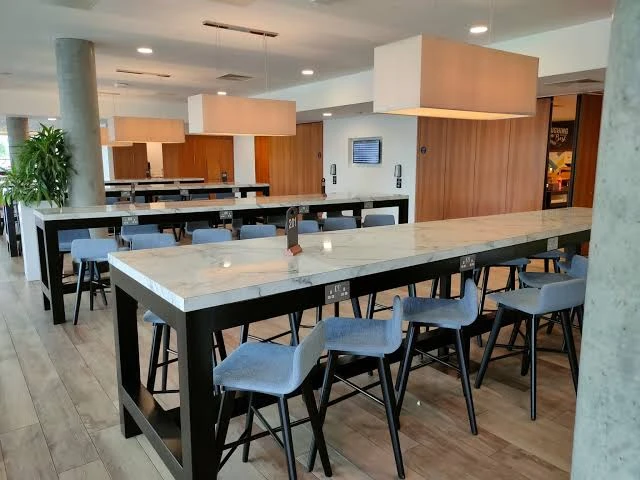

The designer likes the silhouette. The lounge manager worries about moving the stool during cleaning. Finance wants the replacement cost, and the owner asks whether it looks expensive enough. These are reasonable questions, but a meeting can circle around them when nobody knows who makes each decision. A shared sample will not resolve an unclear approval process.
Selecting commercial bar stools for hotel lounges works better when the hotel assigns responsibilities before the shortlist arrives. An owner or authorized executive may approve the purchase, while other team members assess technical suitability and day-to-day use. The team needs to distinguish those roles. Otherwise, a casual comment can become an instruction to the supplier, and a settled detail can reopen without warning.
Name the person who can commit the hotel
Begin with the hotel’s purchasing authority. Identify who can approve the expenditure, sign the order, and authorize changes affecting the agreed budget. A project title does not automatically grant those permissions. The answer may depend on the hotel’s ownership and management arrangements.
Include the decision path in the project brief. Identify the approvals required before an order is released and name the person who resolves disagreements. The purchasing contact can then gather the required evidence instead of collecting informal opinions from everyone copied on an email.
Keep the distinction between consultation and approval clear. Ask the bartender about daily use even if they cannot authorize spending. Someone with spending authority should not assume that a visual preference resolves an installation or access question.
Give the designer a defined brief
The designer should explain what the stool adds to the lounge and which details of its appearance matter. Frame shape, upholstery, and the view across the bar can each affect the room differently. A precise brief lets the buyer consider alternatives without losing the intended character.
Ask the designer to distinguish between requirements and preferences. If a specific finish connects the stool to existing joinery, note that relationship. Say when a decorative detail can change without compromising the concept. Those distinctions give the supplier a clearer brief than treating every detail as equally important.
The professional procurement cycle contains 13 steps, from defining the need through asset management. The useful lesson for a hotel is that selection belongs to a longer process. Design approval should connect to delivery, maintenance, and eventual replacement rather than ending at the presentation image.
Let operations test the whole shift
Have the lounge team test the sample at the actual counter or an accurate mock-up. Sitting comfort matters, but staff also need to move around occupied stools, wipe surfaces, and prepare the room for the next service. A sitting-only test misses much of the product’s working life.
Invite the people who perform those tasks to explain what they notice. Ask for a specific observation rather than a verdict such as “impractical.” If a footrail catches a cleaning tool, identify the contact point. If moving the stool feels awkward, describe the handling task and ask the supplier about an approved method.
The operations review should record:
- Fit at the counter with a guest seated.
- Space needed to enter and leave the seat.
- Cleaning access around the frame and base.
- Handling and storage procedures, where relevant.
This record gives the final approver evidence to assess against price and appearance.
Keep technical acceptance independent
Questions of safety and suitability require competent review. Obtain the manufacturer’s documentation for the intended application and the exact model under consideration. A report on a related product may not cover a different frame, height, or configuration.
BIFMA reaffirmed its public and lounge seating standard in 2025, and its stated scope includes indoor dining settings. That does not establish that a particular stool complies. Ask the supplier which test documentation applies, and have the responsible reviewer assess it within the project’s requirements.
The qualified project team should also assess counter fit and the accessible dining arrangements nearby. A stool’s suitability for commercial service does not make every guest position usable. Product testing and assessment of the surrounding room are separate checks, and both still need attention.
Ask finance to compare the complete cost
The purchase price is only part of the financial decision. Freight, assembly, and replacement components may appear elsewhere in the project budget. Bring those costs together before declaring an option affordable.
Finance also needs the payment schedule and the basis for any future-cost estimate. Do not offer an assumed service life as a supplier guarantee. Find out what happens if the upholstery needs replacing or a component is no longer available, and distinguish a confirmed price from a provisional allowance.
Standard asset purchasing guidance addresses cash impact and responsibility for maintenance and replacement. For the hotel, this means comparing what it will receive and the costs it will carry over time. The lower upfront price may still be the wiser choice, but the argument should hold up under a full comparison of costs.
Resolve disagreements against the agreed criteria
When preferences clash, go back to the brief. Some problems, such as a documented mismatch with the intended use, may prevent acceptance. Others are trade-offs for the authorized decision-maker to weigh. Don’t settle both kinds by a popularity vote.
Ask each reviewer to connect the concern to a requirement. “It feels wrong” might conceal a useful observation about seat depth, or it might describe a personal dislike of the finish. Those deserve different responses. A revised sample may settle the first issue; a clear design decision may settle the second.
Record unresolved items in plain terms:
- The concern and the evidence behind it.
- The person who will investigate.
- The decision needed before ordering.
Avoid reopening approved features unless new information justifies it. Endless reconsideration can consume the time needed to verify the remaining details.
Set a deadline for comments on ordinary preferences before the order is issued. This gives reviewers a reasonable opportunity to contribute while protecting the time required for technical checks. New evidence about suitability still needs attention afterward, but a late change of taste should be weighed against its cost and effect on the schedule.
If the final approver accepts a trade-off, record the reason. Future staff may otherwise mistake an intentional choice for an oversight and reopen the same disagreement during replacement purchasing.
Choose a deputy if the owner will be unavailable. State whether that person may confirm delivery details, accept a higher price, or approve a different product. Give the deputy the current recommendation, supporting records, and unresolved question. Explain the consequences of delay so the purchasing contact can seek a decision without treating silence as approval.
Control substitutions after the choice
A stool can be correctly approved and still arrive in a configuration nobody reviewed. An altered fabric, different footrest, or substituted frame finish may affect more than its appearance. The purchase order should specify who is responsible for reviewing each type of change.
The supplier must describe the proposed substitution and its effects before proceeding. Pass this information to the people responsible for the affected criteria. A small visual change might need design approval, while a revised structure might need technical assessment too.
Keep a reference sample or a sufficiently detailed approved record. Identify it with the exact product and finish details. Staff receiving the delivery should not have to work through presentation slides and informal messages to reconstruct the decision.
The hotel’s operational brief should explain how staff will use, move, and maintain the proposed furniture. Give that brief to the design team before approving a sample. A chair can suit the visual concept while still requiring an operational decision about storage, handling, or replacement.
Make the Signature Mean Something
The person with final authority should receive a brief recommendation supported by completed reviews. Name the proposed model, explain any conditions that remain, and state why it fits the hotel. Approval then becomes an evidence-based choice rather than the final opinion shared in a meeting.
After delivery, compare the stools with that record and gather feedback from the lounge team. A sound approval process continues through acceptance and use. Before the authorized buyer makes the final decision, give the people who will use, clean, and maintain the stools a chance to raise concerns.

