
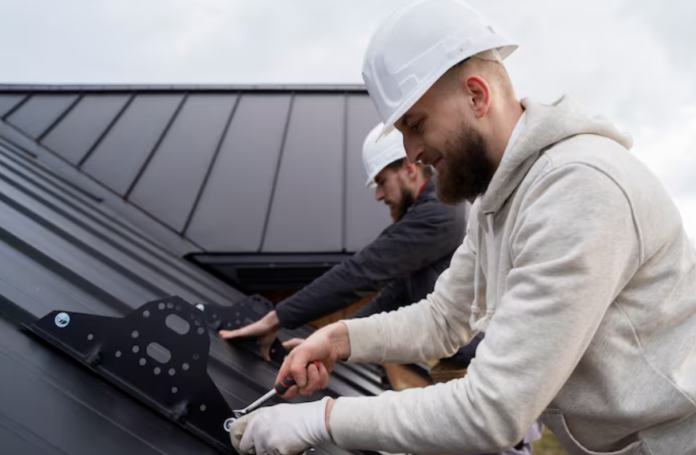

Selecting a new roof usually includes selecting one of the two most common types of roofs available – either metal roofs or shingle roofs. Both of them can be used as protection for your home from different weather conditions, yet these types have various characteristics concerning price, durability, maintenance, energy savings, and aesthetic appeal.
1. Compare the Upfront Cost
The budget is frequently the initial concern when people who own houses are deciding among various types of roofs. Installing asphalt shingles will be cheaper compared to other types of roofing materials, which makes them a great choice. Metal roofing will cost more to install since the materials and installation itself require some effort.
The shingle roofing contractor in Denver, CO can advise homeowners regarding the price of various shingles, starting from the basic ones such as the three-tab or architectural ones. The metal roofing will also vary in its prices according to different panel choices.
It should be noted that budget considerations do not paint the whole picture. Cheaper roofs may need replacement faster than those that cost more to install.
Looking Beyond the Initial Investment
After considering the initial cost, the next question would be about the period for which each roof would last.
2. Consider Lifespan and Durability
Asphalt shingles have an approximate lifetime of 20 to 30 years, although this depends on the type of shingles that you install and how they are ventilated and installed. Ordinary asphalt shingles have shorter lifetimes than architectural shingles.
A well-installed metal roof may serve homeowners for between 40 and 80 years. The metal roof can endure all weather damage, hence making it a great choice as far as the longevity of a roof is concerned.
There is no problem with cracking, curling, and losing granules with the metal roof, as is the case with the asphalt shingles. This does not mean that the metal roof does not require maintenance. There is a need to examine the metal fasteners, coatings, seams, and flashing from time to time.
Climate Can Change the Comparison
Durability encompasses lifespan among other factors. The local climate plays a critical role in determining the performance of each roofing material.
3. Evaluate Weather and Climate Performance
Properly installed asphalt shingles have the ability to protect in various climatic conditions. Modern products offer adequate wind resistance, and additional materials may help enhance performance in vulnerable areas like the edge of the roof.
There are various benefits of installing metal roofing in areas with severe weather conditions. Metal roofs can withstand heavy rains, strong winds, and high amounts of snow load. Some metal roofing products also offer high impact resistance against hail and are rated Class A for fire resistance.
It is important to note that not all metal panels or asphalt shingles offer the same performance level. It is important to consider the specifications of each roofing product according to the wind, impact, and fire-resistance requirements.
Performance Is Also About Everyday Efficiency
A roof does more than withstand storms. Its surface and construction can affect indoor comfort and the amount of maintenance required over time.
4. Compare Energy Efficiency and Maintenance
The performance and maintenance of energy are important aspects that can make a lot of difference through the lifecycle of the roof. While choosing between metal roofing materials in Denver, CO, homeowners should focus on the finish, reflectivity, durability, and maintenance of the materials instead of their aesthetic value.
Asphalt roofing materials usually absorb solar energy; this process is even more pronounced when lighter colors are used. Good attic insulation and ventilation will help to handle the process of heating better, but the role of the roof material cannot be denied.
Metal roofing materials can reflect a larger amount of solar radiation when a reflective coating and the proper finish are used. It will help to decrease the heat transfer during summertime and save some energy for cooling.
Both materials need different kinds of maintenance procedures. Cracked or lost shingles, loss of granules, and moss are among the problems that appear with the aging of asphalt shingles.
Appearance Should Fit the Property
Performance matters, but the roof is also a major visual feature of a home. The material should complement the property’s architecture rather than being selected on technical factors alone.
5. Consider Appearance and Available Styles
Color choices and styles are many for asphalt shingles. Architectural shingles can help give a dimensional look for use on a traditional, transitional, or contemporary house design.
Metal roofs can also have a unique style. Standing seam panels can help give an uninterrupted look, while other metal profiles can mimic traditional roofing products. Various color and finish choices can allow the roof to blend in with the rest of the building exterior.
Color and finish are also factors that a homeowner must consider based on what happens over time. The roof should retain a desirable appearance during its useful lifespan, especially if the home will be kept by the family or sold.
The Material Choice Should Match Long-Term Plans
After evaluating appearance and performance, it would be wise to look into the expected duration of occupancy and tolerable maintenance.
6. Match the Roof to Your Long-Term Priorities
Someone intending to live in the house for many years may consider the long service life of metal roofing. A renovator who has a constrained budget may focus more on the low cost of asphalt shingles.
Metal roof application makes sense when low maintenance, long service life, and durability under extreme weather become important factors to consider. Conversely, asphalt shingles remain a suitable choice for those who would wish to enjoy style options at economical prices.
Making the Final Comparison
Both materials may not necessarily suit any house automatically. It all comes down to which one matches the needs of the house, taking into consideration cost, durability, climatic conditions, maintenance, aesthetics, and future plans.
Choosing Based on the Whole Roofing System
Making a decision on the roof depends on looking at the whole picture instead of concentrating on one aspect. Even though low prices may look good initially, their effect on the lifespan and maintenance costs will make one see the full cost. A longer lifespan requires a higher initial cost for the material, but it will help with replacement less often.
In contrast to other roof companies, like GAF contractors and Owens Corning roof installers, Elite Construction offers a variety of roofing materials with professional installation services; homeowners get an opportunity to choose the materials considering all the needs of their house and not sticking to a single material.
It is best to choose the option that will fit the structure of the house, weather conditions, budget, looks, and period of ownership. The comparison of these aspects before installing will give a definite roofing solution.

