
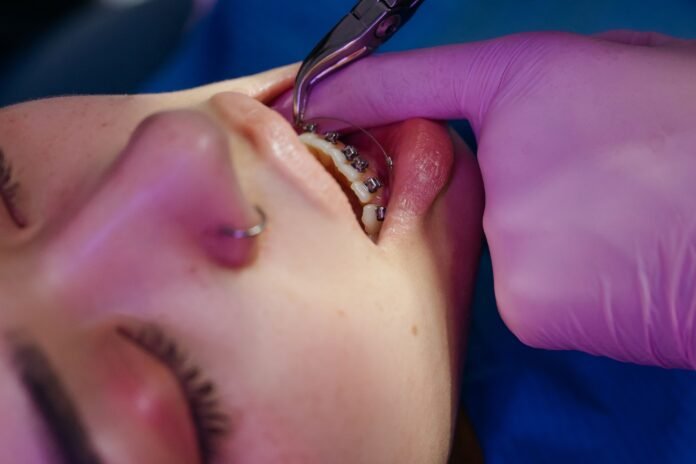

Braces can look straightforward from the outside: brackets go on, teeth move, and eventually the braces come off. In reality, orthodontic treatment involves decisions about bite correction, appliance type, hygiene, cost, and long-term retention. For teens and young adults, understanding those choices before treatment begins can make the experience easier. The goal is to understand what your teeth need, what daily life with braces involves, and what commitment is required to protect the result.
Start With the Reason for Treatment
Straight teeth may be part of the goal, but appearance is only one reason orthodontic treatment may be recommended. Crowding, spacing, overbites, underbites, crossbites, and other alignment problems can affect how teeth meet, how easy they are to clean, and how comfortably you chew.
The first useful question is not “Which braces look best?” but “What problem are we trying to correct?” A small amount of crowding may require a different plan from a significant bite issue. Understanding the starting point makes it easier to compare options realistically.
Compare Braces by More Than Appearance
Traditional metal braces remain a common option, but different bracket designs and treatment approaches can vary in visibility, adjustment style, hygiene demands, and how they apply force to the teeth.
No appliance should be chosen only because it sounds newer or more convenient. Your bite, tooth position, goals, and ability to follow instructions all matter.
If you want to understand how a particular system differs from conventional treatment, a Maccaro orthodontics consultation can give you a clearer picture of the available options, expected treatment process, and whether a specific approach suits your orthodontic needs. Asking detailed questions during the consultation can also make it easier to compare treatment choices with confidence.
Treat the Consultation Like a Planning Session
The consultation is where orthodontic treatment becomes personal. Photos, scans, X-rays, and a clinical examination may be used to evaluate the teeth and jaws and identify the movements that need to happen.
This is the time to ask about treatment length, possible extractions, elastics, expanders, and other appliances. Timelines are useful, but they are still estimates. More complex corrections generally take longer, and missed appointments or inconsistent use of prescribed appliances can slow progress.
You should leave understanding the main issue being treated, the proposed approach, and what will be expected between appointments.
Think About Daily Life Before Treatment Starts
Braces quickly become part of everyday life. Eating, brushing, sports, school, work, and social plans do not stop because orthodontic treatment begins.
The first few days after braces are placed or adjusted can involve tenderness, and certain foods may need to be avoided because they can damage brackets or wires. Cleaning also takes more attention because food and plaque can collect around orthodontic hardware.
Learning what to expect during orthodontic treatment can make those early adjustments less surprising. Knowing how to handle normal soreness, a loose bracket, or a poking wire can make the process more manageable.
If you play sports, ask about a suitable mouthguard before treatment begins.
Make Oral Hygiene a Serious Priority
Braces create more places for plaque and food debris to collect, so brushing and cleaning between the teeth need to become more deliberate.
Poor hygiene during treatment can contribute to cavities, gum inflammation, and visible marks around brackets. Ask which brushes, flossing tools, or interdental cleaners suit your appliance and give yourself enough time to use them properly.
Regular dental checkups still matter. Orthodontic visits focus on tooth movement and appliance management, while routine dental care monitors the health of the teeth and gums.
Understand the Full Cost
The quoted price is only useful if you know what it includes.
Ask whether the fee covers diagnostic records, routine adjustments, emergency repairs, retainers, and post-treatment follow-up. Find out how insurance benefits are applied and whether payment plans involve additional charges.
Two estimates may look different at first and become much closer once included services are considered. A clear written breakdown can prevent confusion later.
Know That Timing and Cooperation Matter
There is no single perfect age for braces. Teens often begin treatment while growth is still occurring, which can be useful for certain bite corrections. Young adults can also achieve strong results, although treatment planning may account for fully developed jaws and other dental factors.
Age is only part of the picture. Cooperation matters throughout treatment. Wearing elastics as directed, attending appointments, avoiding foods that repeatedly damage brackets, and maintaining good hygiene can all influence progress.
The choices made between appointments often matter just as much as the hardware itself.
Plan for Retainers Before Braces Come Off
The day braces are removed feels like the finish line, but orthodontic treatment does not really end there.
Teeth can shift after active treatment because the surrounding bone and tissues need time to stabilize. Retainers help hold the new positions and reduce the risk of relapse.
Understanding why retainers matter after orthodontic treatment makes it easier to see them as part of the plan rather than an optional extra. Wear schedules vary, but long-term nighttime use is common.
Ask what type of retainer you are likely to receive, how it should be cleaned, what replacement costs are, and what to do if it is lost or stops fitting properly.
Choose a Plan You Can Realistically Follow
The best orthodontic option is not automatically the newest, least visible, or fastest-sounding one. It is the option that addresses your dental needs and fits your ability to follow treatment properly.
Look for clear explanations, realistic expectations, transparent costs, and a plan that accounts for both active treatment and retention.
Braces require patience, but the process becomes less intimidating when you understand what is happening and why. Ask questions early, take daily care seriously, and think beyond the day the brackets come off.
A successful result is not just straighter teeth. It is a stable, healthy outcome that you know how to maintain after treatment is finished.

