
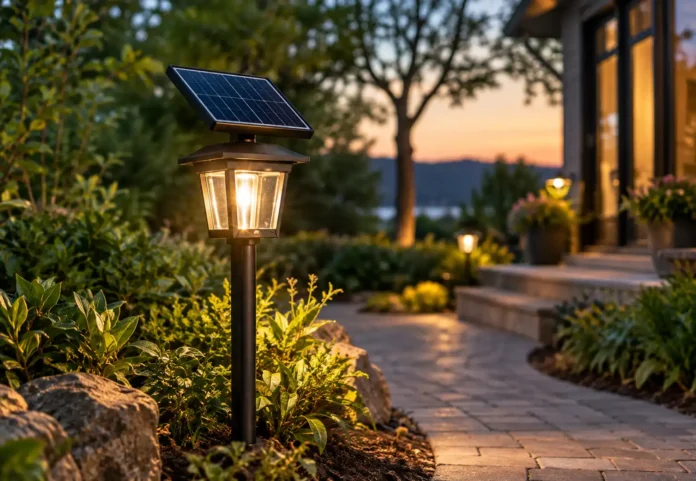

Ever tried getting power to a remote parking lot, a rural access road as a facility manager, or a new phase of a development, only to find the utility quote for trenching and cabling costs more than the fixtures themselves? That’s a common problem for facility managers and developers.
A solar-powered LED light solves this differently: instead of waiting on grid extension, it generates, stores, and uses its own power right at the pole. This post covers what these lights are used for, what to check before buying, how they work, and why more facilities are relying on them.
What Is a Solar Street Light Used For?
An LED Light is used anywhere a facility needs reliable lighting but doesn’t have easy or affordable access to grid power. That covers a wider range of situations than most people expect. Parking lots at the edge of a property, access roads on undeveloped land, pedestrian paths through parks, and temporary work sites all run into the same problem: running conduit and utility lines to a single pole can cost more than the light itself. Because a solar-powered LED light generates and stores its own power, it can go almost anywhere sunlight reaches, regardless of how far the nearest grid connection sits.
Parking Lots and Commercial Properties
Retail centers, warehouses, and office parks often need lighting in areas added after the original electrical plan was finalized. Solar lighting lets property managers extend coverage to new sections of a lot without renegotiating utility work or waiting on permits tied to trenching.
Roadways and Pedestrian Pathways
Rural roads, campus walkways, and park trails frequently sit far from existing power infrastructure. Solar lighting brings consistent illumination to these areas for safety and visibility, without the cost of running lines across long stretches of land.
Remote and Temporary Sites
Construction zones, agricultural facilities, and disaster-recovery areas need lighting fast, often before permanent power is even available. Because these systems don’t depend on a grid connection, they can be deployed and running within days rather than months.
Key Features To Check Before Purchasing
Not every solar-powered LED light is built for the same conditions, and the differences matter more once a system is installed than they do on a spec sheet. Before buying, it helps to look past the price tag and confirm the equipment can actually handle the site’s weather, usage hours, and maintenance access. A system that works well in a sunny, low-traffic parking lot may not hold up on a stretch of highway with long winter nights or heavy storm exposure, and swapping out underperforming fixtures later usually costs more than choosing the right ones the first time.
Battery Capacity and Runtime
Check how many nights of autonomy the battery provides during low-sunlight periods, since a system undersized for cloudy stretches will dim or shut off before dawn.
Rating for Weather Resistance and Durability
Corrosion resistance and weather resistance suited to the surrounding should be considered, especially for places located near the sea, high wind speeds, and extreme weather conditions, since poor-quality products tend to wear out quickly.
Light Output and Lighting Distribution Area
Ensure the correct lumen output and light distribution are correct for your intended illuminated area because poor lighting will end up leaving patches of darkness, thus defeating the purpose of having lighting installed for security reasons.
These considerations before buying a Solar Powered Led Light saves you replacement costs later on.
How Solar LED Lights Work For Facility Managers?
A solar-powered LED light works by combining three components at a single point: a solar panel, a battery, and an LED fixture. During the day, the panel converts sunlight into electricity, which charges the battery instead of powering the light directly. Once the sun sets, the battery discharges to run the LED through the night. Everything needed to generate, store, and use power happens at the pole itself, which is what allows the system to operate independently of the electrical grid.
- Solar panels absorb sunlight during daylight hours and convert it into direct current electricity.
- A charge controller regulates how much power flows into the battery to prevent overcharging.
- The battery stores energy for use after sunset, sized to cover typical overnight demand.
- A dusk-to-dawn sensor or timer automatically switches the LED fixture on and off. The LED draws stored power through the night, often dimming slightly during low-traffic hours to conserve battery life.
Each part works together so the light never depends on an outside power source.
How Solar-Powered LED Light Systems Reduce Dependence on Grid Infrastructure
For organizations planning new lighting, the biggest advantage of a solar-powered LED light often isn’t the energy savings; it’s what the project avoids altogether. Grid-connected lighting requires trenching, conduit, transformers, and utility coordination, all of which add cost and time before a single light ever turns on, and utility timelines can stretch a project’s schedule by months. A solar LED light removes most of these steps, since power generation and storage happen at the fixture instead of traveling from a substation. That shift changes how facilities budget and schedule lighting projects, especially in areas where grid access is limited, congested, or expensive to extend.
Lower Installation Costs and Faster Deployment
Without trenching or cabling, installation timelines shrink from months to days, and the labor and permitting costs tied to utility connections mostly disappear from the project budget.
Continued Operation During Grid Outages
Because each fixture stores its own power, lighting continues to function during storms or utility outages that would otherwise leave grid-connected areas dark, which matters for safety on roads and in parking areas.
Reducing grid dependence isn’t just a cost decision; it’s a reliability decision too.
Conclusion
A solar-powered LED Light gives facilities a way to add reliable outdoor lighting without the cost and delay of expanding the electrical grid. From parking lots to remote roadways, these systems generate, store, and use power at the point of need. For organizations facing high trenching costs or slow utility timelines, it’s worth evaluating before the next lighting project begins.

