
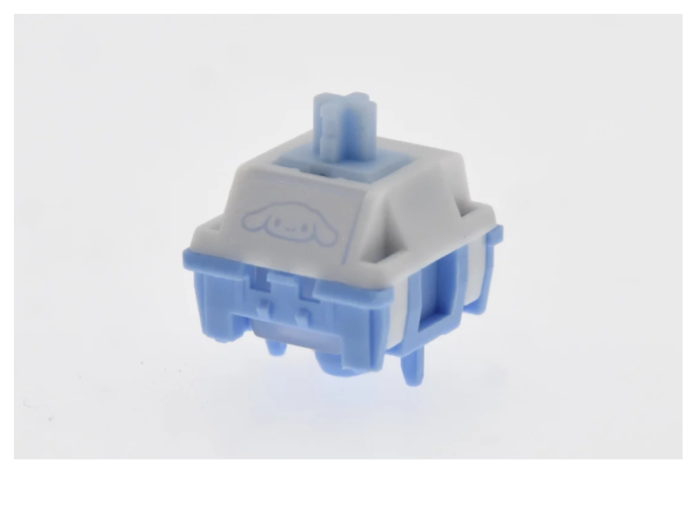

Mechanical keyboards are popular for their responsive typing experience, customization options, and satisfying keystroke feedback. However, one common drawback is noise. The repeated clicking and clacking of keys can become distracting, especially in shared offices, libraries, classrooms, or quiet home environments.
This is where silent mechanical keyboard switches come in. Designed to reduce the noise produced during typing, these switches offer an alternative for people who enjoy mechanical keyboards but prefer a quieter working environment.
But are silent switches really different from regular mechanical switches? Do they affect typing feel, performance, or durability?
In this guide, we’ll explore how silent and regular switches work, compare their main characteristics, and explain when choosing quiet switches for keyboard setups makes the most sense.
What Are Silent and Regular Mechanical Keyboard Switches?
Mechanical keyboard switches are the individual mechanisms underneath each keycap. When you press a key, the switch registers the input and sends a signal to your computer.
Regular mechanical switches generally fall into three categories:
Linear switches: Move smoothly from top to bottom without a tactile bump or intentional audible click.
Tactile switches: Provide a noticeable bump during the keystroke, giving users physical feedback.
Clicky switches: Produce both a tactile bump and a distinct clicking sound.
Silent mechanical switches are specially designed versions of mechanical switches that reduce the noise generated during key presses and key returns.
Unlike regular switches, many silent designs include small silicone or rubber dampening components around the stem. These components cushion the impact when the stem reaches the bottom of its travel and when it returns to its resting position.
It’s important to understand that silent doesn’t necessarily mean completely soundless. These switches still contain moving mechanical parts, so some noise remains during normal operation.
Their main purpose is to make typing less noticeable while preserving much of the familiar mechanical keyboard experience.
What Are the Main Differences Between Silent and Regular Switches?
Although silent and regular switches share similar basic structures, their sound, feedback, and internal construction can differ considerably.
Here are the four main differences to understand before choosing between them.
1. Sound Levels and Typing Noise
The most obvious difference is sound.
Regular mechanical switches produce varying levels of noise depending on their design. Clicky switches, for example, create an intentional clicking sound, while linear switches generally produce less switch-generated noise.
Silent switches use internal dampening mechanisms to reduce the impact noise produced during both downward and upward movement.
This can make a noticeable difference in environments where several people work or study in the same room.
A typing-noise comparison should consider both loudness and sound character. A sharp, high-pitched click may be more distracting than a softer low-frequency tap at the same recorded level, but perception depends on the room and listener; avoid treating a single unreferenced measurement as a universal result.
2. Typing Feel: What Changes With Dampening?
Sound isn’t the only factor that changes.
Some silent switches feel softer than their regular counterparts because the dampening components cushion the impact at the end of each keystroke.
For example, a regular linear switch may produce a more direct bottom-out sensation, while a silent linear switch can feel slightly softer or more cushioned.
However, the exact experience depends on the switch design.
Silent switches are available in both linear and tactile versions:
Silent linear switches: Provide smooth key movement without a tactile bump. They are suitable for users who prefer consistent feedback.
Silent tactile switches: Include a noticeable tactile bump while reducing the noise associated with key presses.
Some users may find certain silent switches slightly mushier than traditional mechanical switches, while others appreciate the softer feel.
If possible, testing a switch before purchasing is a practical way to determine whether its feedback suits your typing habits.
3. Switch Construction and Internal Dampening
The internal construction is another important distinction.
Regular mechanical switches typically rely on a stem, spring, housing, and electrical contact mechanism. Their sound is influenced by the interaction between these components and the keyboard itself.
Silent switches introduce additional sound-control features.
Common dampening approaches include:
Silicone dampeners: Small silicone components cushion the stem’s movement and reduce impact noise.
Rubber dampening pads: Placed at contact points to soften bottom-out and return sounds.
Modified stem designs: Specially shaped stems can reduce the intensity of mechanical impacts without relying entirely on traditional silicone pads.
Different manufacturers use different approaches, so not all silent switches feel or sound the same.
Factory lubrication can also help reduce friction and unwanted mechanical noise. However, lubrication and sound dampening serve different purposes: lubrication primarily improves movement, while dampening reduces impact noise.
4. Performance and Durability
Do silent switches sacrifice performance for quieter typing?
Not necessarily.
Silent switches can still offer responsive actuation, consistent key registration, and the performance expected from mechanical keyboards.
Their gaming and typing performance depends on factors such as actuation force, pre-travel distance, total travel distance, spring characteristics, and overall switch quality.
Durability also depends on the materials, internal construction, and manufacturing quality rather than simply whether a switch is silent or regular.
One consideration is that additional dampening components introduce more design variables. Their material and placement can influence how the switch feels over time.
For everyday users, choosing a well-made switch with specifications that match their preferences is generally more important than choosing solely based on its silent designation.
What Do You Gain and Give Up With Silent Switches?
Before purchasing silent switches, it’s worth considering both their advantages and potential limitations.
Advantages:
Reduced typing noise: Helps minimize distractions in shared offices, libraries, and home environments.
More comfortable shared use: Makes it easier to use a mechanical keyboard around colleagues, family members, or roommates.
Multiple typing styles: Available in linear and tactile options, allowing users to choose different feedback characteristics.
Suitable for extended use: Some users appreciate the softer impact sensation during long typing sessions.
Disadvantages:
Different typing feedback: Some models may feel softer or less crisp than regular mechanical switches.
Not completely silent: Keycaps, stabilizers, springs, and the keyboard case can still produce noise.
Limited sound preference: Enthusiasts who enjoy pronounced mechanical sounds may prefer traditional switches.
Model-dependent performance: Sound reduction and typing feel vary between manufacturers and switch designs.
Silent switches can be a strong choice when reducing switch-generated impact noise matters, but they may have a different bottom-out feel and cannot silence stabilizers, keycaps, or desk vibration.
Which Workspaces Benefit Most From Silent Switches?
The right switch depends largely on where and how you use your keyboard.
Here are several everyday situations where quiet switches for keyboard setups can be particularly useful.
- Working in a Shared Office
If you spend several hours typing emails, writing reports, or working with spreadsheets, repeated keyboard clicks may become distracting to people nearby.
Silent linear or tactile switches can help create a more considerate workspace without requiring you to give up the mechanical keyboard experience.
- Working or Studying at Home
For people sharing a home office, apartment, or study area, keyboard noise can become an issue during video calls or when other family members are resting.
Silent switches can reduce unnecessary typing noise, particularly during long work sessions.
- Gaming at Night
Some gamers prefer mechanical keyboards because of their responsiveness and customization options. However, loud switches can be inconvenient when playing late at night.
Silent linear switches are worth considering if you want smooth key movement without the pronounced clicking sounds of traditional clicky switches.
- Writing and Programming for Long Periods
Writers, programmers, and other frequent computer users may spend hours typing every day.
A quieter keyboard can make the surrounding environment more comfortable, especially when working in shared spaces.
However, remember that switch weight and typing feedback also matter. A switch that feels comfortable under your fingers is often a better long-term choice than one selected purely for its noise level.
How Can You Make Regular Mechanical Switches Quieter?
If you already own a mechanical keyboard, you may not need to replace the entire setup.
There are several ways to reduce its typing noise:
Replace regular switches: If your keyboard supports hot-swapping, consider replacing the existing switches with compatible silent alternatives.
Lubricate switches: Proper lubrication can reduce friction and some unwanted mechanical noises.
Improve stabilizers: Larger keys such as the spacebar, Enter, and Shift can produce additional rattling. Proper stabilizer tuning may help.
Add sound-dampening materials: Compatible foam or other dampening materials inside the keyboard case can reduce some internal resonance
Adjust your typing technique: Avoiding unnecessarily hard bottom-out impacts can help reduce noise during everyday use.
Keep in mind that these adjustments address different sources of sound. If your main goal is quieter typing, switching to purpose-designed silent switches is often a more direct approach.
How to Compare Silent and Regular Switches Fairly
Install both candidates in the same keyboard and use the same keycaps, desk surface, microphone distance, and typing passage. Record several ordinary sentences rather than only a few aggressive presses.
Listen separately for bottom-out, spring return, large-key stabilizer rattle, and overall sound character. Make an independent note about feel: a damped switch may soften impact and feel different at the end of travel.
If no direct comparison is possible, compare manufacturer-stated damping construction and read tests for the exact model. Terms such as “silent” and “quiet” are not interchangeable with a measured noise rating.
Conclusion
Choosing between silent and regular mechanical keyboard switches comes down to your priorities.
Regular switches offer a wide range of sound profiles and typing feedback, making them attractive to users who enjoy a more pronounced mechanical experience. Silent switches, on the other hand, are designed for people who want to reduce typing noise while retaining the benefits of mechanical key switches.
Whether you’re working in a shared office, studying at home, gaming at night, or spending long hours typing, the right switch can make a meaningful difference to your daily keyboard experience.
If you’re considering an upgrade, explore different quiet keyboard switches and compare their switch types, actuation force, and typing characteristics. Finding the right balance between sound, feel, and performance will help you build a keyboard that suits your everyday needs.
FAQs
Do silent mechanical switches feel different from regular switches?
Yes, they can. Many silent switches use internal dampening components that create a softer bottom-out and return sensation. Some users notice a slightly cushioned or less crisp feel compared with regular mechanical switches. However, the experience varies depending on the switch design and whether it is linear or tactile.
Are silent switches better for office environments?
They can be a good choice for shared offices because they reduce the clicking and impact sounds associated with many mechanical switches. However, the overall noise level also depends on keycaps, stabilizers, the keyboard case, and typing habits. Silent switches are particularly worth considering when working near colleagues or in quiet environments.
Do silent mechanical switches affect typing speed?
Generally, silent switches do not inherently reduce typing speed. Their actuation characteristics depend on the individual model, including actuation force and pre-travel distance. If you choose a switch with a comfortable force and familiar feedback, you can maintain your normal typing rhythm. Some adjustment may be needed when switching from a different type of mechanical switch.